How to Choose the Right Bus for Your DIY Conversion Project
How Choose Right Bus Diy Conversion
How Choose Right Bus Diy Conversion is a focus of this bus conversion article. Below you will find practical guidance, builder insights, and community tips about how choose right bus diy conversion.
The dream of the open road has evolved. No longer confined to expensive, pre-built motorhomes, a new generation of adventurers is turning toward the Bus Conversion movement. Converting a retired bus into a custom mobile tiny home offers unparalleled creative freedom and structural integrity. However, the success of your journey begins long before you pick up a power drill. It starts with selecting the right mechanical foundation.
Choosing the ideal bus requires balancing your lifestyle goals, mechanical aptitude, and budget. This guide provides a comprehensive analysis of the factors you must consider to ensure your DIY conversion remains a sanctuary rather than a roadside liability.
1. Understanding Bus Types and Sizes
Before browsing auctions or local listings, you must determine which bus category best fits your vision. Buses are generally classified by their design and weight, which dictates everything from interior square footage to where you can legally park and where you can expect to take your bus.
School Buses (Skoolies)
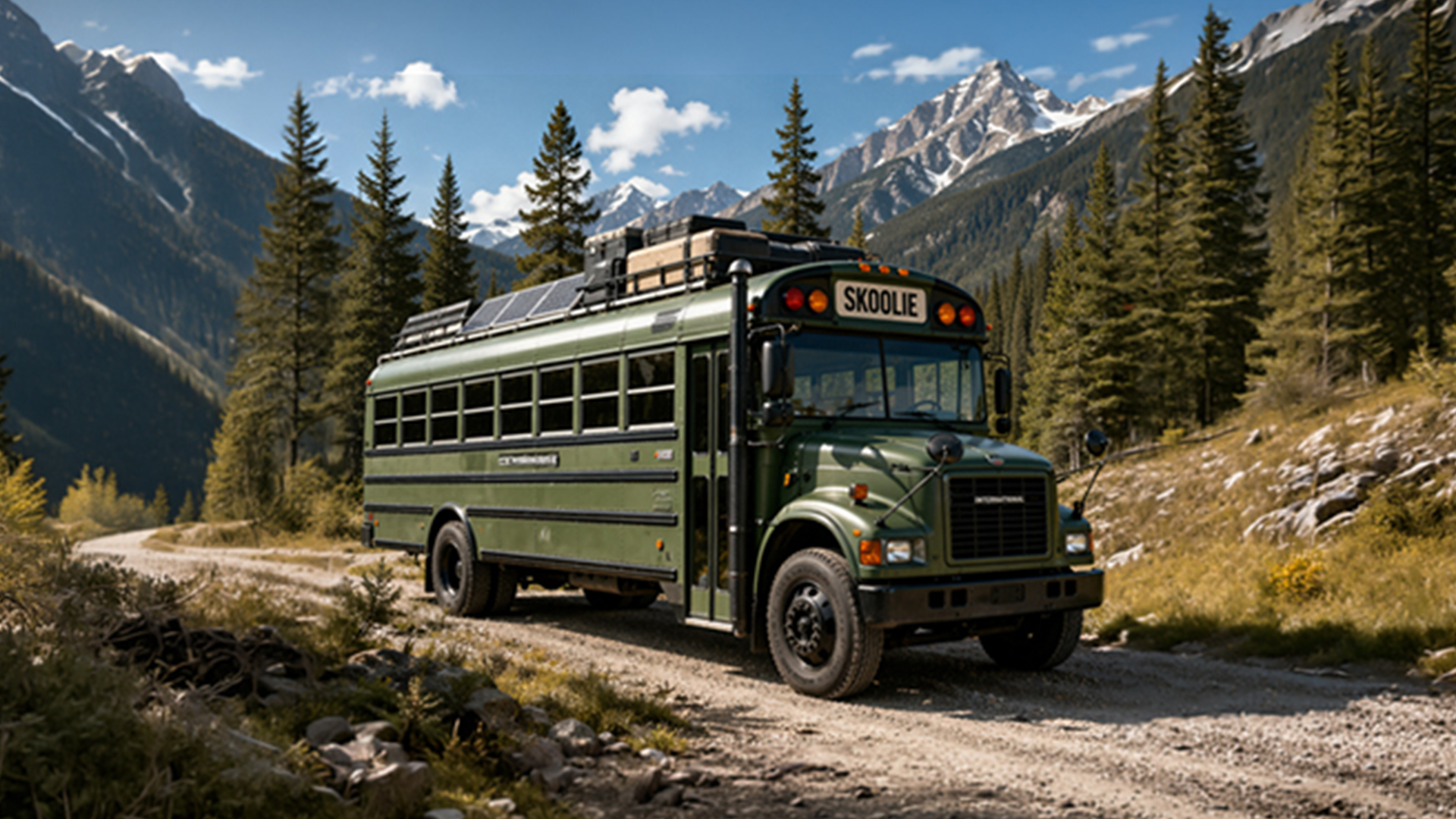
School buses are the most popular choice for DIYers due to their availability and rigorous maintenance schedules, which ensure they safely transport children to and from school and other events. Most school districts follow strict safety protocols, making these vehicles structurally superior to many commercial options. They typically come in three main configurations:
Type A (Short Bus): Built on a cutaway van chassis, these are easy to maneuver and park in standard spaces. They are ideal for solo travelers or couples who prioritize mobility over space.
Type C (Conventional): The classic school bus with a "nose" where the engine sits out front. These offer easier engine access for repairs but provide slightly less interior living space relative to their overall length.
Type D (Transit Style): These look like city buses with a flat front. They can be "Front Engine" (FE) or "Rear Engine" (RE). Rear engine models, often called pushers, provide a quieter driving experience and more usable space in the front cabin.

Typical Short Bus.

Conventional Bus.

Transit Style Bus.
Coach and Transit Buses
If you plan on full-time living with high-end amenities, a motorcoach might be the right path. These vehicles are designed for long-distance highway travel and often include massive "under-bay" storage for water tanks and batteries, so you don’t have to hang your tanks underneath where they are exposed to the elements.
However, they are more complex and expensive to maintain than school buses. Much like planning Coach Tours, self-drive vacations, choosing the right vehicle requires careful consideration of comfort, cost, and long-term practicality.
Shuttle and Minibuses
Often used for airport transportation or senior centers, shuttle buses typically feature fiberglass bodies mounted on a van chassis. While they offer excellent standing height and large windows, they lack the "roll-cage" steel construction found in traditional school buses; therefore, they do not provide the same protection on the highways as other bus types, and some may not be built for highway speeds.
2. Mechanical Specifications: The Heart of the Project
A beautiful interior is worthless if the engine fails two hundred miles into your first trip. You must evaluate the mechanical components with a professional eye or hire a diesel mechanic to perform a pre-purchase inspection. Repairs on an older bus can easily exceed the purchase price if you are not careful.

What can happen if you do not properly maintain your bus.
Engine Reliability
Not all diesel engines are created equal. In the world of bus conversions, certain engines are legendary for their longevity, while others are known for frequent failures. For instance, the is widely considered one of the best medium-duty engines ever produced due to its "wet-sleeve" design, which allows for easier in-frame overhauls.
Conversely, newer engines (post-2004 and especially post-2007) often include complex Exhaust Gas Recirculation (EGR) and Diesel Particulate Filter (DPF) systems. While better for the environment, these systems can be prone to failure and expensive to repair in a DIY context.

Diesel Exhaust Fluid (DEF)
The Transmission
For mountain driving or heavy loads, the transmission is just as vital as the engine. The Allison 2000 and 3000 series are the gold standards for conversions. They offer five or six gears, providing better fuel economy and higher top speeds on the highway compared to the older four-speed AT545, which lacks a locking torque converter and can overheat on steep inclines.
Braking Systems
You will encounter two main types: air brakes and hydraulic brakes. Air brakes are standard on larger buses and are incredibly reliable, but may require a special endorsement on your license in some jurisdictions. Hydraulic brakes feel more like driving a standard truck, but can be harder to stop if the vehicle is fully loaded with heavy wood cabinetry, water tanks, and all your stuff.
3. Assessing Condition and Rust
Rust is the silent killer of the DIY conversion. While mechanical issues can often be fixed with money and time, significant structural rust in the frame or floor can make a bus unsafe or impossible to build upon.
The Underbody Inspection
Always inspect the "frame rails" and the "hat channels" (the ribs that hold the walls and roof). Surface rust is common and can be treated with wire brushes and rust preventative paint; however, "flaking" or "pitting" rust that compromises the steel's thickness is a major red flag. This can cost a lot of money to repair.
Window and Roof Leaks
School buses are notorious for leaking around the windows. While you will likely reseal these during the build, check for signs of long-term water damage on the interior floor. If the plywood subfloor is rotting, it indicates a significant moisture problem that could already have begun corroding the metal floor beneath. Crawl under the bus to do a full inspection.
Recent Trends in Conversion
According to recent reports on Google News, interest in nomadic living has shifted toward more sustainable, off-grid builds. This means buyers are now prioritizing buses with higher "payload" capacities to support heavy solar battery banks and large fresh-water holding tanks. Ensure your chosen bus can handle the added weight of your lifestyle without overloading the suspension.
4. Interior Dimensions and Layout Planning
Before buying, take a tape measure and measure the actual inside dimensions. You need to know the "usable" space from the back of the driver’s seat to the rear door.
Ceiling Height: Most school buses have an interior height of about 6 feet, or 6 feet 2 inches. Even if you are tall, you may need to perform a "roof raise," a massive structural undertaking that may make insuring your bus challenging with some insurance companies. Alternatively, look for "high-ceiling" models which offer a few extra inches of clearance.
Wheel Wells: These protrusions into the living space will dictate where you place your kitchen or bathroom. Map these out early to see if they interfere with your ideal floor plan. Note: Over-the-road coaches generally lack wheel wells because they are higher off the ground.
Windows: While windows offer great views, they are terrible for insulation. Consider how many you are willing to sheet over with metal to improve your home's thermal efficiency. Read for more to help you decide on how many windows to keep or remove.
Conclusion
Choosing the right bus is a marathon, not a sprint. By focusing on a solid mechanical foundation, a rust-free frame, and a layout that suits your specific needs, you set yourself up for a successful and enjoyable build process. Remember that the "cheapest" bus often becomes the most expensive after accounting for repairs and structural fixes.
Publisher’s Note: Read this article before you buy an older bus.
to open the company's website.