Sara William
June 13, 2026
48 views

How to Choose the Right Bus for Your Do-It-Yourself Conversion Project

The dream of the open road has evolved. No longer confined to expensive, pre-built motorhomes, a new generation of adventurers is turning toward the Bus Conversion movement. Converting a retired bus into a custom mobile tiny home offers unparalleled creative freedom and structural integrity. However, the success of your journey begins long before you pick up a power drill. It starts with selecting the right mechanical foundation.

Choosing the ideal bus requires balancing your lifestyle goals, mechanical aptitude, and budget. This guide provides a comprehensive analysis of the factors you must consider to ensure your DIY conversion remains a sanctuary rather than a roadside liability.

1. Understanding Bus Types and Sizes

Before browsing auctions or local listings, you must determine which bus category best fits your vision. Buses are generally classified by their design and weight, which dictates everything from interior square footage to where you can legally park and where you can expect to take your bus.

School Buses (Skoolies)

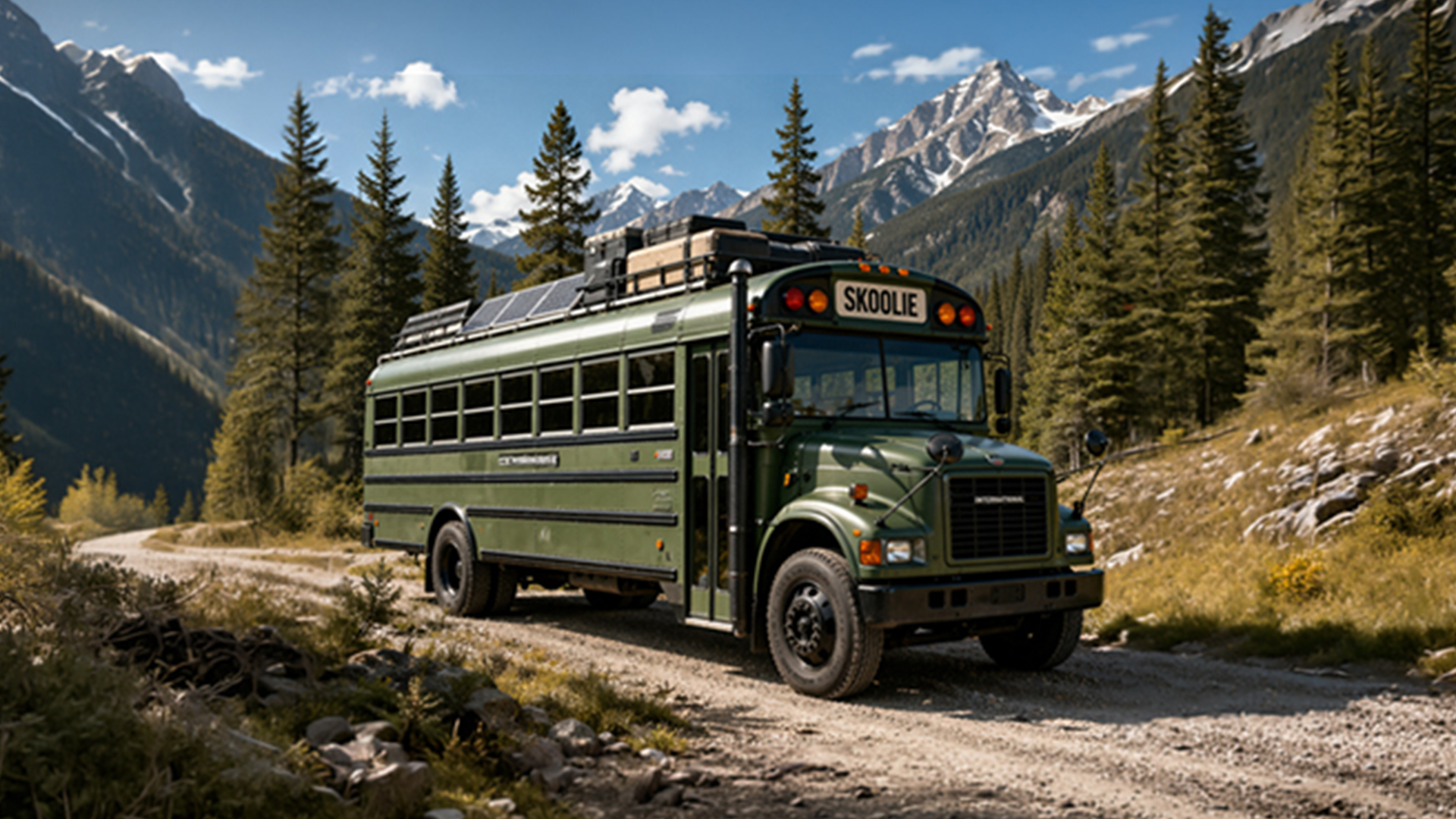
School buses are the most popular choice for DIYers due to their availability and rigorous maintenance schedules, which ensure they safely transport children to and from school and other events. Most school districts follow strict safety protocols, making these vehicles structurally superior to many commercial options. They typically come in three main configurations:

Type A (Short Bus): Built on a cutaway van chassis, these are easy to maneuver and park in standard spaces. They are ideal for solo travelers or couples who prioritize mobility over space.

Type C (Conventional): The classic school bus with a "nose" where the engine sits out front. These offer easier engine access for repairs but provide slightly less interior living space relative to their overall length.

Type D (Transit Style): These look like city buses with a flat front. They can be "Front Engine" (FE) or "Rear Engine" (RE). Rear engine models, often called pushers, provide a quieter driving experience and more usable space in the front cabin.

Typical Short Bus.

Conventional Bus.

Transit Style Bus.

Coach and Transit Buses

If you plan on full-time living with high-end amenities, a motorcoach might be the right path. These vehicles are designed for long-distance highway travel and often include massive "under-bay" storage for water tanks and batteries, so you don't have to hang your tanks underneath where they are exposed to the elements.

However, they are more complex and expensive to maintain than school buses. Much like planning NZ Tourism Coach Tours, self-drive vacations, choosing the right vehicle requires careful consideration of comfort, cost, and long-term practicality.

Shuttle and Minibuses

Members Only — Continue Reading

Log in or become a BCM member to read the complete article.

Article written by Sara William

Sara William is a content contributor and air quality advocate at Sanitairllc, a trusted leader in residential and commercial air duct cleaning. With a passion for promoting healthier indoor environments, Sara combines industry knowledge with a knack for relatable storytelling to educate homeowners on the importance of clean air systems.

When she’s not writing about dust bunnies and duct maintenance, you’ll find her enjoying quiet moments with a cup of coffee and a good book, or brainstorming her next article to help make clean living a breeze.

Click HERE to read other articles by this Author
To be the first to read all new articles and to read thousands of articles about conversions back to 1992, become a member of BCM.
Click HERE to become a Member now!

You may also like

chevron-rightcross-circle