

We’re bringing Eagle back into production. I have heard it said more than once. I often read comments like, “I sure wish someone would bring back the Eagle coach,” or “Why doesn’t someone start producing Eagles coaches again?” The following narrative, written almost 12 years ago, may help put things into perspective. It comes from my many years of personal experience working at the Eagle factory in Brownsville, Texas.
To give you a little background and some statistics, the first Eagle buses produced in the Brownsville, Texas factory were in December of 1974 and were built until 1997. In its peak years, the Brownsville factory produced over 400 buses yearly. However, there were also years when production was as low as 50-100 buses.
Overall, 7,655 Eagle buses were built between 1956 and 1997, including production from Germany, Belgium, Texas, and Mexico. The vast majority of all Eagle buses built from the factories were seated buses, although we also built a few hundred conversion and motorhome shells, some with raised roofs and some without. The total number of employees varied from 150 to over 600 through those years.
Several people have expressed interest in restarting the Eagle production line, but it has never become a reality. Beyond the actual construction, many variables contribute to the cost of building a coach. Several support departments, comprising non-production employees, are necessary to sustain a large manufacturing operation. The number of coaches one plans to build will determine the level of support needed. Here are the support departments that Eagle had for their manufacturing operation.
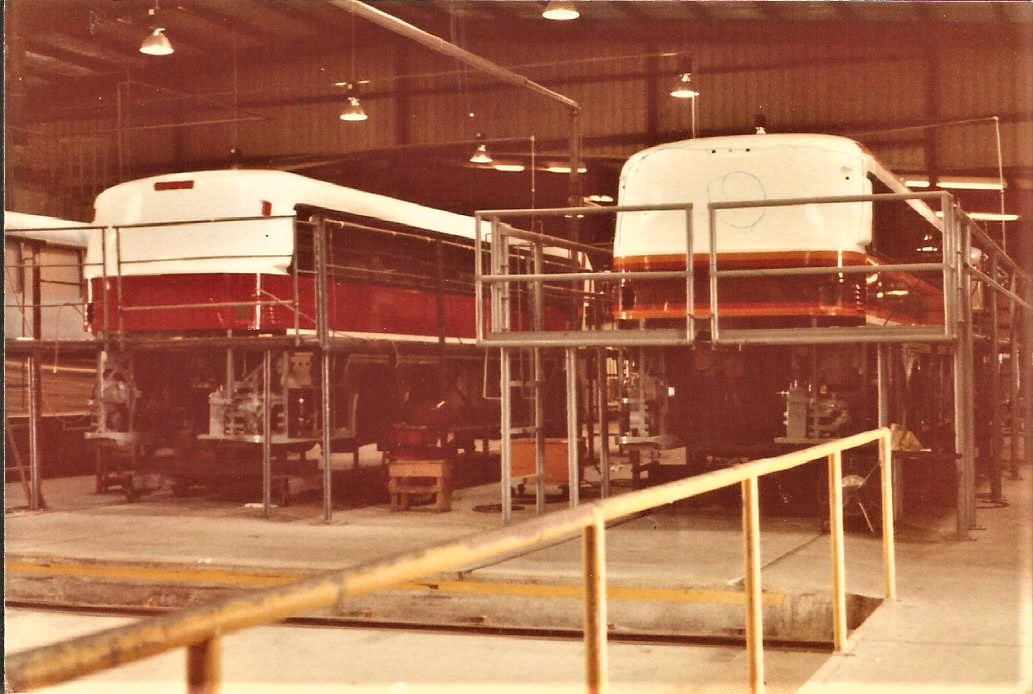
Eagle Production Line in Brownsville, Texas. This is the Finishing Department, Station 11.
Sales & Marketing
If you hope to be a player in the market, you must have Sales representatives who travel to visit customers regularly. Travel expenses, base salaries, commissions, and the cost of entertaining customers and winning them over are significant added expenses that must be factored into the cost of each coach.
You will never sell coaches from the confines of your facility or by phone. Attending bus shows is required to display your product, which means building demos for them and putting these demo coaches on the road to visit customers. Bus Shows cost hundreds of thousands of dollars to reserve the space needed to display your coaches, let alone the additional expenses of sending representatives, including flights, rental cars, hotels, and meals. Without a strong Sales and Marketing department, you will struggle to survive.
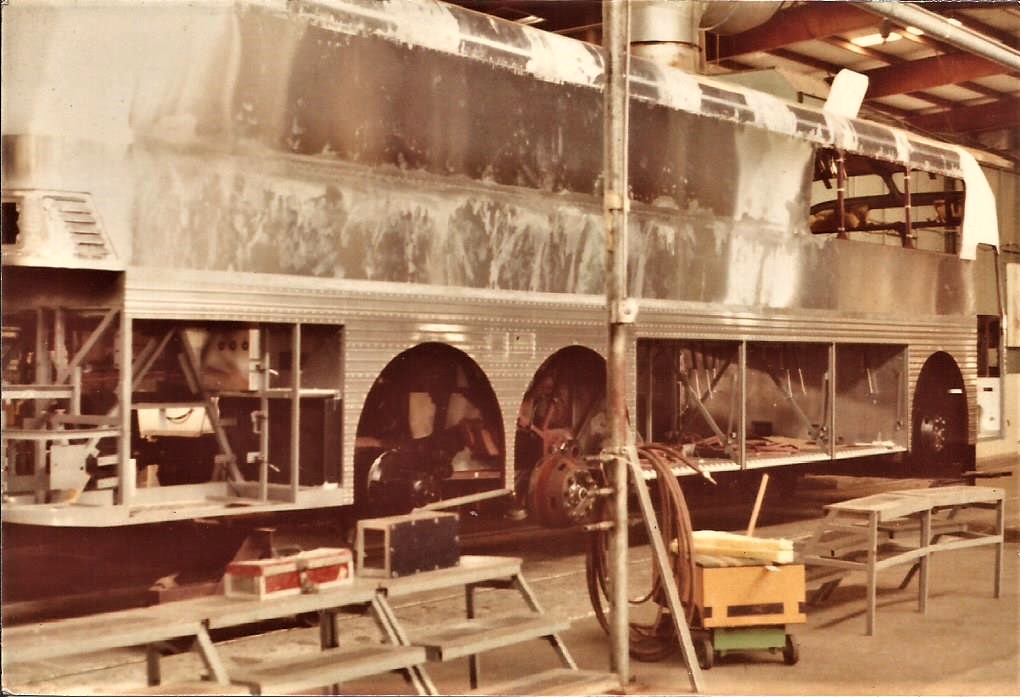
Eagle Production Line in Brownsville, Texas. This is the Joining Department, Station 8.
Customer Service/Warranty
You must have Customer Service Representatives who travel regularly to visit customers who have purchased coaches. They provide technical support and training to ensure the best operation of their new coach. Again, you incur all the same expenses as the Sales department.
You must also have a Warranty Department that supports customers after the sale. You must build the potential cost of warranted items into the cost of the coach. Eagle factored in $10,000 per coach; sometimes, this was ample, and sometimes, not nearly enough. You will also incur the cost of warranting failed parts and systems and the expense of shipping these parts, often overnight, to get a customer’s bus back on the road.
This can add up to tens of thousands of dollars, especially with today’s shipping costs, and these costs are not recoverable. The warranty department also needs to try and recoup costs for the parts from prospective vendors. The Customer Service/Warranty department is a significant expense and must be factored into the cost of each coach.
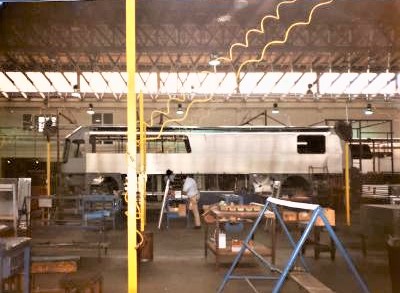
Eagle Production Line in Brownsville, Texas. This is the Joining Department, Station 7.
Parts
You must have a well-stocked aftermarket Parts Department so that you can supply the necessary parts without robbing them from your production line. Once established, this can be lucrative, but it comes with significant costs, including maintaining inventory levels and paying annual inventory taxes.
Other departments in an operation of this magnitude include but are not limited to:
- Production
- Production Control
- Engineering
- Manufacturing Engineering
- Accounting
- Publications
- Plant Maintenance
- Purchasing
- Human Resources
- Computer MIS
- Machine Shop
- Health
I am sure I am missing a few departments, but this is most of them. The cost of support from these departments is tremendous, but supporting an efficient and viable operation is necessary.
Another factor in building a coach is the cost of tooling. Often, you design something into the coach and then source an outside vendor to build it for you. Unless it is something off the shelf, there are costs associated with the vendor building the tooling. The manufacturer (Eagle) must pay this cost. The vendor will usually front a significant portion of the money to do this, along with a deposit from the coach builder.
This cost will be amortized over time or built into the cost of producing each part until paid for. Eagle owned the tooling, with many outside vendors providing additional tooling beyond the factory’s own. These tooling costs totaled millions of dollars, which had to be factored into the cost of each coach. Tooling also had to be upgraded periodically, so these costs were ongoing.
Now, add in the costs of employees, such as salaries, benefits, vacation, and sick leave, etc. Then, you also have your other overhead costs of utilities, equipment/tools, facility rental, or payments. Eagle spent anywhere from $20,000-$40,000 per month on utilities. They spent hundreds of thousands of dollars on equipment, including hand tools, machine shop tools, CNC machines, water jet machines, press brakes, office equipment, computers, and supplies.
You also have the never-ending maintenance and/or replacement of these tools and machines. Eagle had a facility that encompassed 265,000 square feet, which they leased from the city of Brownsville. They had a sweetheart lease of $10,000 per month, which was indefinite until it was broken by the first Eagle bankruptcy. The monthly rental rate after reopening increased to $50,000 and reached as high as $85,000 per month. Eagle was also responsible for all facility maintenance costs, totaling thousands of dollars each month. All of these costs had to be added to the cost of producing each coach.
As you can see, one must have a long-term business plan that projects numbers and goals. Identifying the actual costs of producing a coach is challenging, as these costs are ever-changing. I have touched on some of the significant areas that involve costs in a production facility of this magnitude. There are many other factors involved that I haven’t listed, but I wanted to give you a broader picture of what goes into producing an over-the-road coach like the Eagle.
When one looks at building a coach in isolation, without considering all the support needed outside of the production process, one can be misled about what it might take compared to reality. I am not discouraging anyone from pursuing their goals; I am just trying to educate them on what it would take to be successful.
I could add much more, but you get the picture. When you consider everything, I just said, most people begin to realize the magnitude of such a venture. Putting new Eagle coaches on the road and competing with the other bus manufacturers now would be a significant and sizeable investment.