
For nearly ten years, I have been giving talks and writing articles about the safe and proper way to replace obsolete RV lead-acid house batteries with the vastly superior lithium-based house batteries. I wrote an article on this subject a couple of years ago. It is Now a Near No-Brainer to Add Lithium Batteries to Your Bus.
In the intervening years, the industry has undergone significant improvements. The quality of the electronic devices that control the use and recharging of these Lithium (Li) based batteries has improved dramatically. At the same time, the prices have decreased equally dramatically. The same is true for the Li batteries themselves.
A few years ago, I, and other writers/bloggers, did a tear-down look inside the Li batteries to see just what kinds and quality of cells were used, how they were interconnected, whether or not the claimed low and high temperature protection circuits really worked and just what kind/quality of BMS was used. Initially, it was impossible to determine whether the claims made on the brand sticker outside a battery were actually implemented. Today, that is seldom necessary, as many high-quality Li batteries are now available on the market.
Nearly all are the product of Chinese manufacturers that have implemented automation and robotic assembly and testing facilities that rival those of any manufacturer anywhere in the world. Approximately 98% of all the LiFeP04 battery cells in the world are now made in China, along with the vast majority of assembled Li batteries, no matter how “western” sounding the brand name or what the “engineered in” claims are on the outside of the battery. The same is true for the electronic components like inverters, voltage controllers/modifiers, engine alternator charge controllers, solar charge controllers, etc.
At the same time, major manufacturers and some smaller manufacturers have brought to market home backup power stations that combine all the electronics and, in some cases, Li batteries beautifully integrated into one module. These are sometimes known by the goofy marketing name of “solar generators”. I just call them power stations.
In the last year or so, the four largest worldwide manufacturers of these devices – Bluetti, EcoFlow, Anker and Jackery (all four are Chinese companies with Western-sounding names for the North American and European markets) – have been increasing the capacity and functionality of their offerings for the backup power supply market. Many lesser-known manufacturers have also jumped in, so you will see offerings from Lion Energy, Pecron, Dabbsson, and many others. Any or all of these can be quality systems, so don’t limit your search to just the big four names.
These units have become so capable that they are now my preferred method for modernizing your entire RV or bus conversion electrical system cost-effectively, safely, and quickly. Using one of these power systems, you don’t need to modify your existing RV in any way. You only need to plug your existing shore power cord into one of these power stations, and your RV will think it is plugged into a traditional RV shore power receptacle. This will bypass your existing obsolete lead acid battery-based electrical system components, using instead the far more capable lithium battery-based components in the power station.
That means you don’t have to cut any wires or modify anything the manufacturer designed into your rig. If your RV is a newer one, it also means you do not have to void any warranties. Perhaps, most importantly, any RV service facility can still maintain your RV. If you take the DIY approach to converting from lead acid to lithium-based house batteries, most RV service facilities will take one look and say they cannot work on your rig because they don’t know what you did with your DIY conversion.
So, using one of these plug-and-play power stations is a no-brainer and allows you to enjoy your RV or conversion experience without even thinking about your electrical system again.
The issue is: How do you select the one that is right and appropriate for your use? That is what we will explore in this article.
Interestingly, the many different manufacturers of portable power stations have tended to focus their units either at the low capacity, portable end of the market that are too small for use as a replacement for your RV electrical system, or on the very large and much larger whole house backup power end of the market that are also not suitable for replacing your RV electrical system.
The low-end units are those with 2000 watt-hours or fewer of battery capacity and 2000 watts or smaller inverters. They typically weigh 20 to 60 pounds. The whole-house backup units are often upright, rectangular units with very large inverters and substantial battery capacity, which can easily exceed several hundred pounds.
Only recently have units been introduced that hit the RV sweet spot in between these extremes. It is these units that will be our focus here. For most RVs with an absorption-style refrigerator, I recommend starting with a system that has approximately 6,000 watt-hours of lithium-iron-phosphate battery capacity and a 3,600-watt or larger pure sine-wave inverter.
Additionally, you want one that has at least a 30-amp RV power receptacle, allowing you to use your existing 30-amp shore power cord. You need to ensure the inverter can output at least 3,600 watts continuously, so you have the full 30 amps available at the 30-amp receptacle.
If you have a larger RV or are doing an RV conversion with a residential-style refrigerator, I recommend starting with a system that has 9,000 to 12,000 watt-hours of battery capacity and at least a 3,600-watt inverter. Since most of your larger RVs and vehicle conversions will have a 50-amp shore power cord, you want the power station to have a 50-amp RV receptacle. You may be able to get by on less if you read my article How to get by on 30-Amps or Less.
That receptacle won’t offer the full 100 amps you are expecting from a 50-amp shore power source unless you find/expand a power station up to a 12,000-watt continuous pure sine wave inverter. However, it will still be easy to plug in your existing 50-amp shore power cord to input as many amps as your power station can provide.
Many RVers are of the mistaken opinion that a 50-amp shore power cord only brings in a little bit more power than a 30-amp shore power cord, but that is far from correct. The so-called 50-amp shore power pole actually delivers 50 amps on each of two legs for a total of 100 amps of power going into your RV. Usually, your RV will be wired so that one 50-amp leg powers the driver’s side outlets and appliances, and the other 50-amp leg powers the passenger side outlets and appliances.
Whether you start with 6,000-watt hours of battery capacity or 9,000 to 12,000 watt hours of capacity, you want to be sure the capacity of the system you select is capable of being expanded easily by add-on battery modules so you can upgrade later as you learn more about how you live in your RV and what your real-world power needs become.
But there is far more to selecting a power system that is right for you than just battery capacity and inverter output. Let’s review the most important considerations, so you can directly compare units from different manufacturers.
1) Inverter size – Do not select any unit that does not output pure sine wave power continuously at the rated output. Some manufacturers use cheaper square wave or modified sine wave inverters, which you do not want. Also, some manufacturers will use what they call peak or surge ratings for their inverters. That only refers to what the inverter can theoretically output for a few seconds, so those ratings mean far less to you in daily use than the continuous output rating.
Bigger is better, but it will also mean a larger current draw, even when the system is in standby with no appliances in use. As a result, your battery bank will be depleted more quickly, even when it is doing nothing. The larger inverters also generate more heat, which may require noisy cooling fans, potentially creating a distraction.
2) Battery capacity of the central unit – Some manufacturers only place the electronic controls in the central unit and require you to add external batteries to achieve any battery capacity at all. Others combine the electronic controls and some battery capacity in the central unit itself. Those usually have a smaller footprint for the same battery capacity, so I prefer units that have both within the central unit.
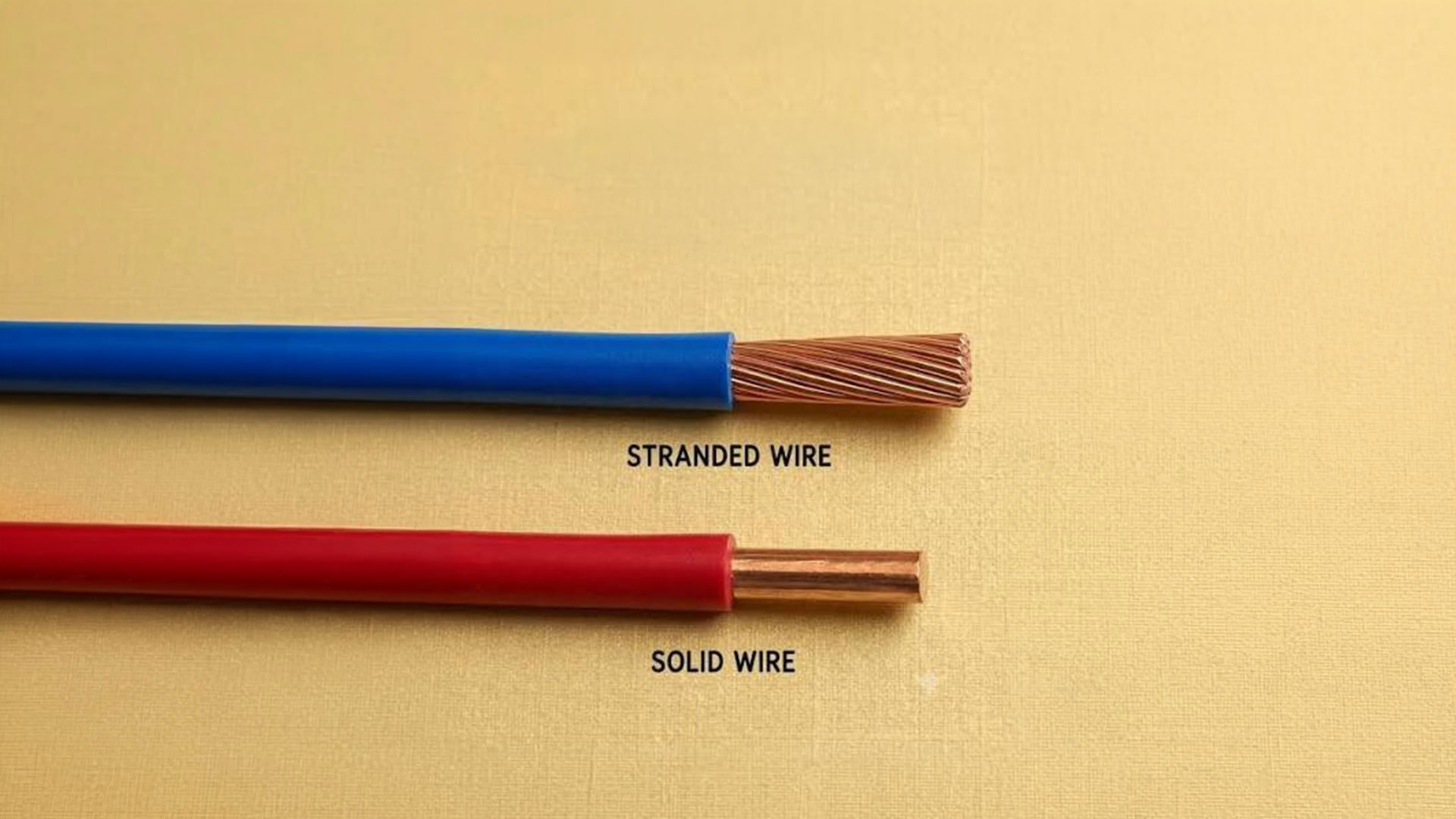
Battery capacity is generally measured in watt-hours since the batteries inside can be wired to produce a nominal 12VDC, 24VDC, or 48VDC. At higher voltages, the batteries can output the same watts using smaller numbers of amps, which can be carried by smaller diameter and more flexible wires, which are cheaper and easier to snake around inside the limited confines of an RV. In the past, when all batteries were wired for a nominal 12VDC, it was common to rate battery capacity by amp hours, but that term is not very relevant in today’s world. Larger watt output is better, but larger also means heavier and bigger, so it is common now to put in about the same battery capacity in watt hours as the central unit’s inverter outputs in watts.
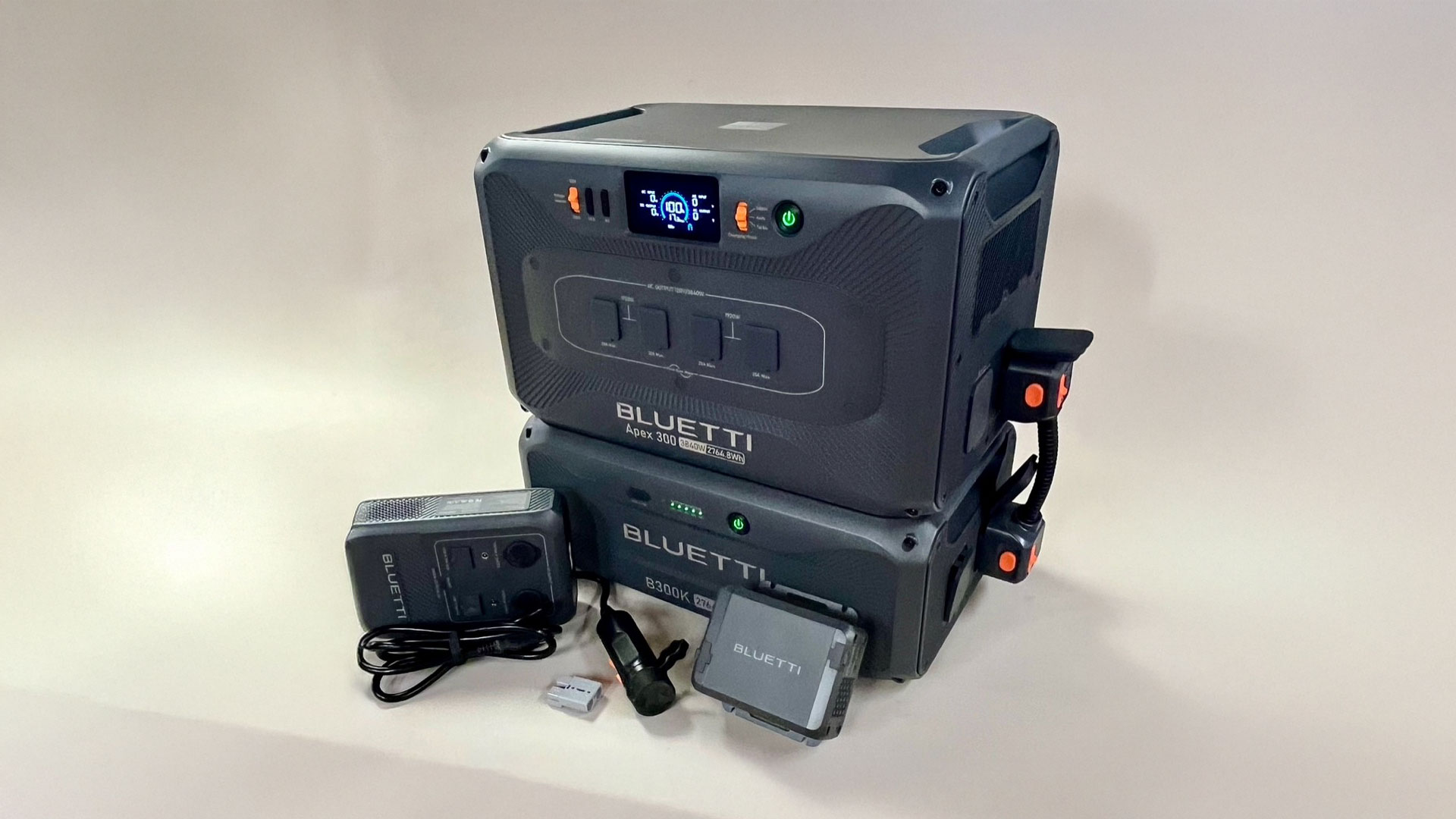
3) Battery capacity of the add-on batteries – Typically, manufacturers offer add-on batteries with the same capacity and physical footprint as their primary unit, making it easy to stack them together if you have sufficient bay space. The best manufacturers include very compact interconnect cables with communication built in, so it is easy to plug and play additional batteries without needing to reset switches or make changes via a phone app, or modify settings on the central unit. The add-on batteries will integrate automatically.
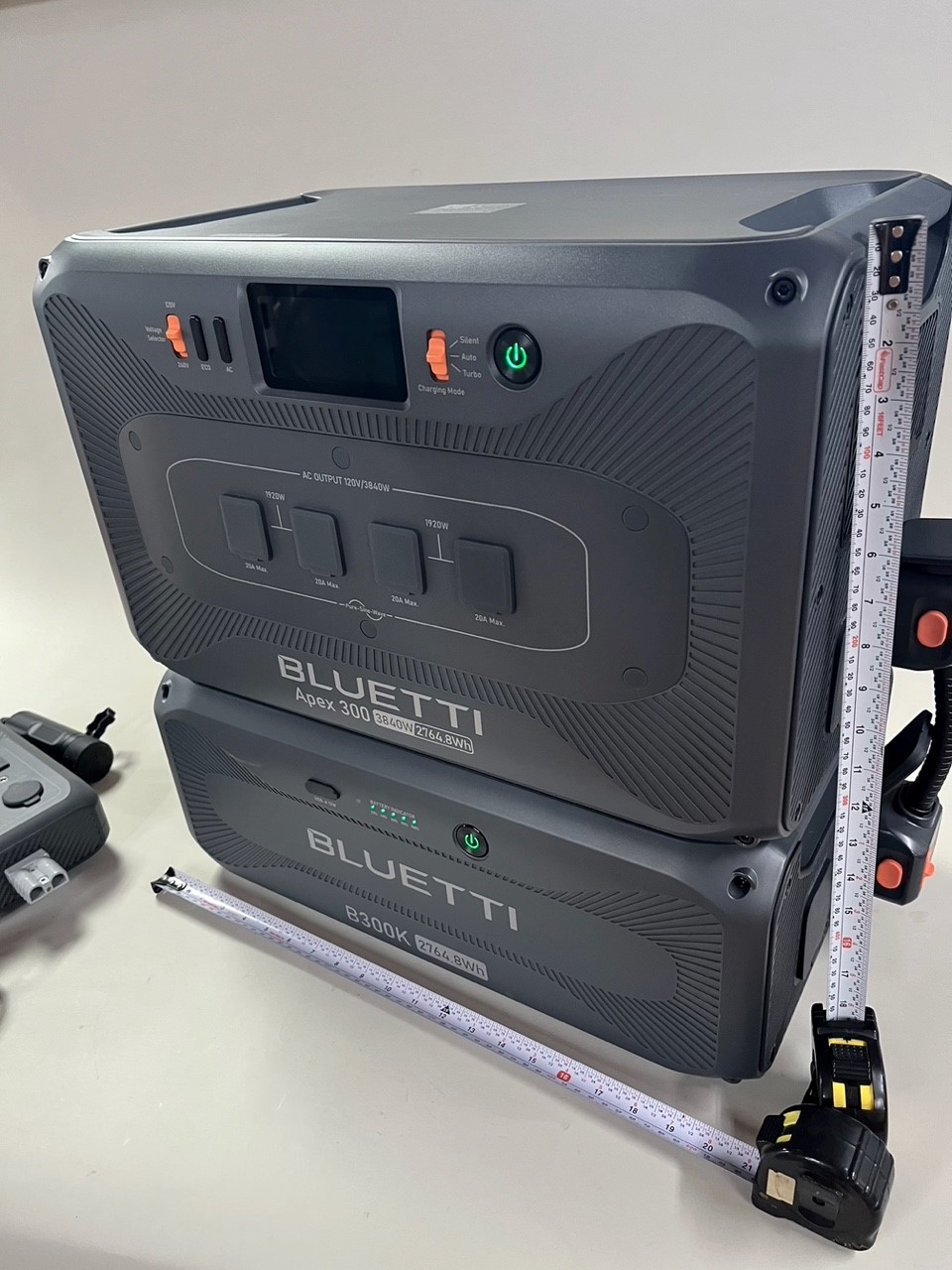
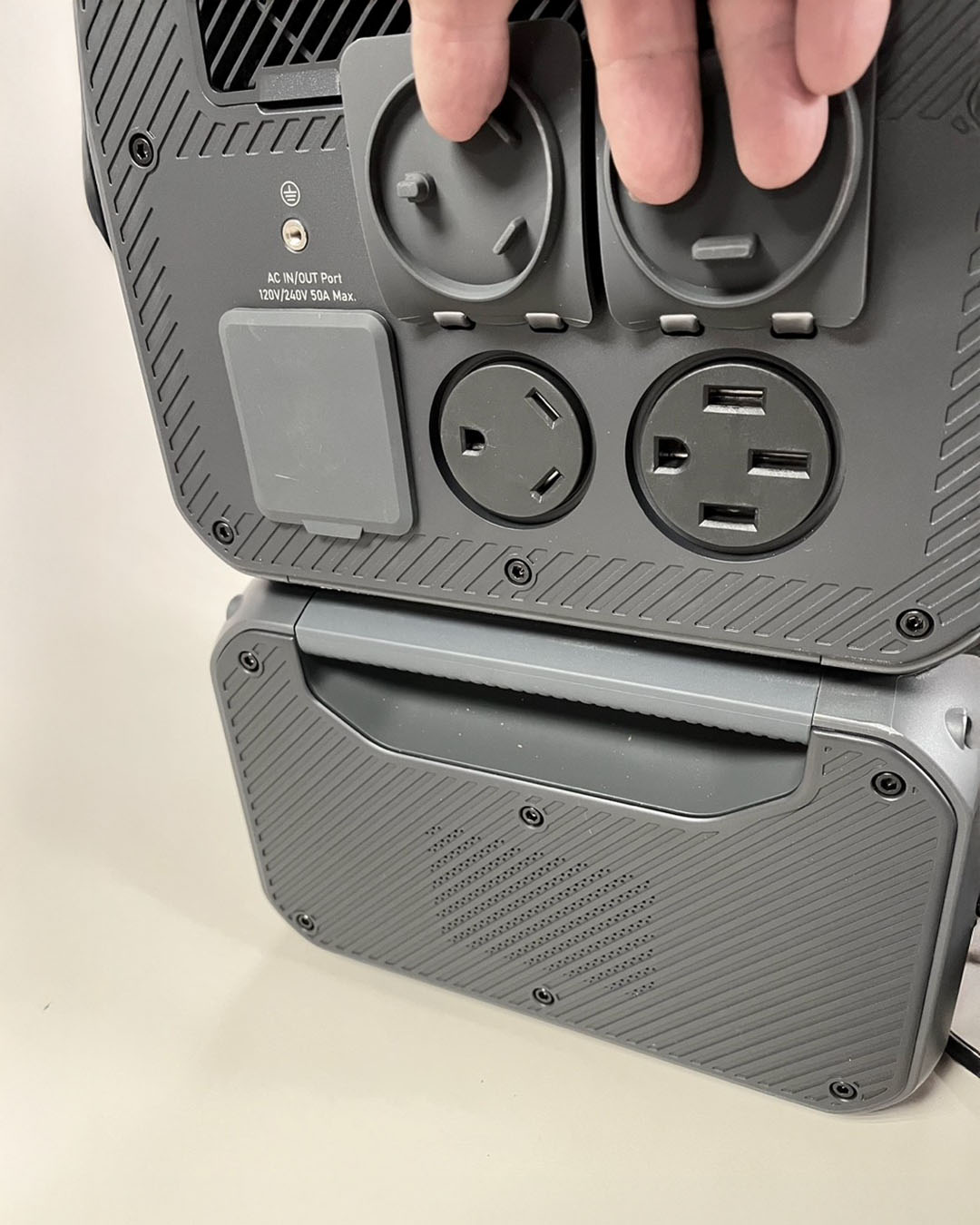
4) Inclusion of a 50-amp as well as a 30-amp RV shore power receptacle – This is not common, but at least one new-to-the-market unit does offer both. That one allows you to select 120VAC single phase or 240VAC split phase output from that 50-amp receptacle by the simple slide of a switch on the front of the central unit. Nice!
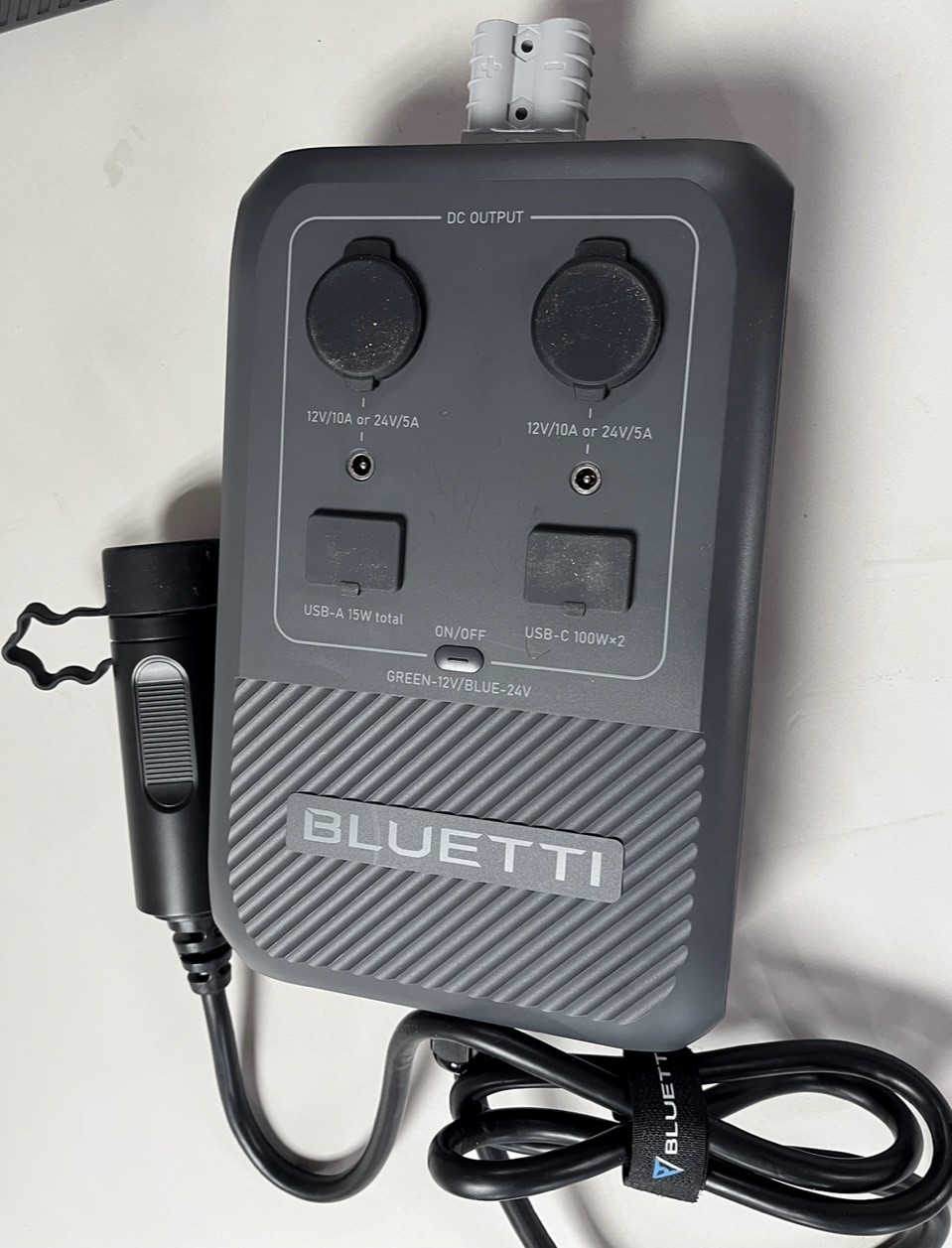
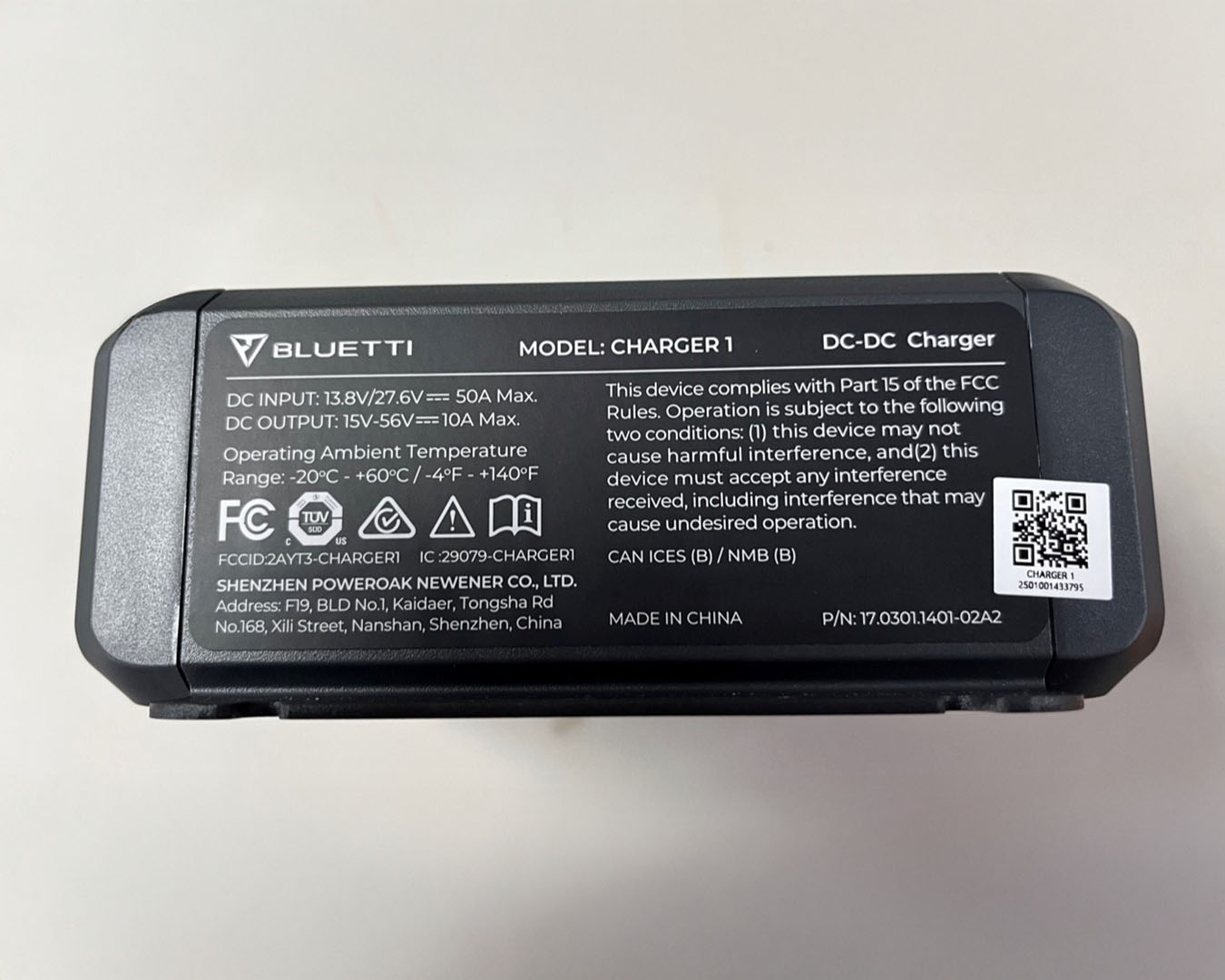
9) A manufacturer supplied provision for supplying 50 or more amps of nominal 12VDC output in case you want your power station to also provide power to your RV 12VDC distribution panel – Your RV originally came with a 120VAC to 12VDC converter from the factory. By plugging in your shore power cord to the new power station, that same converter will still work. But, if it is damaged or limited, or you are doing your own conversion, it is handy to have 50 or more VDC available for your use. Some power stations offer this. Many do not and instead provide only 10 amps of 12VDC output, which is not nearly enough to power all your 12VDC needs.
10) Length of factory warranty and how long the manufacturer has been around to honor it – This is a more important issue than you might imagine. There are so many marketing names used by (primarily Chinese) manufacturers of power stations offered in the North American market that you want to make sure the one you select is likely to be there for you in the future. If the manufacturer has only been offering these units for less time than they purport to warranty them, then buyer beware.
11) Number of rated battery charge and discharge cycles – Most power station manufacturers use lithium-iron-phosphate batteries, which can be rated for anywhere from 3,000 to 6,000 complete discharge/recharge cycles before capacity drops to 80%, which is the normal end-of-life measure for these batteries. The longer the rated cycle life, the more cost-effective the battery will be for you over time. Select only manufacturers who use lithium iron phosphate batteries (AKA LiFeP04 or LFP) as they are safe and nearly indestructible in RV or conversion use. Other lithium battery chemistries (like NMC) may be a bit lighter or smaller. Still, they usually will not last nearly as long, with some usable for as little as 500 or so cycles, making them much more expensive over time.
12) Ability to charge and discharge at the same time – This is a really important consideration that not all power stations offer. For RV use, this is critical, as you want to be able to recharge your battery bank while driving or from solar power, and you also want to be able to recharge from a 120VAC or 240VAC outlet. You want your RV to be fully functional as you do. Therefore, check carefully to ensure your selected system can charge and discharge simultaneously.
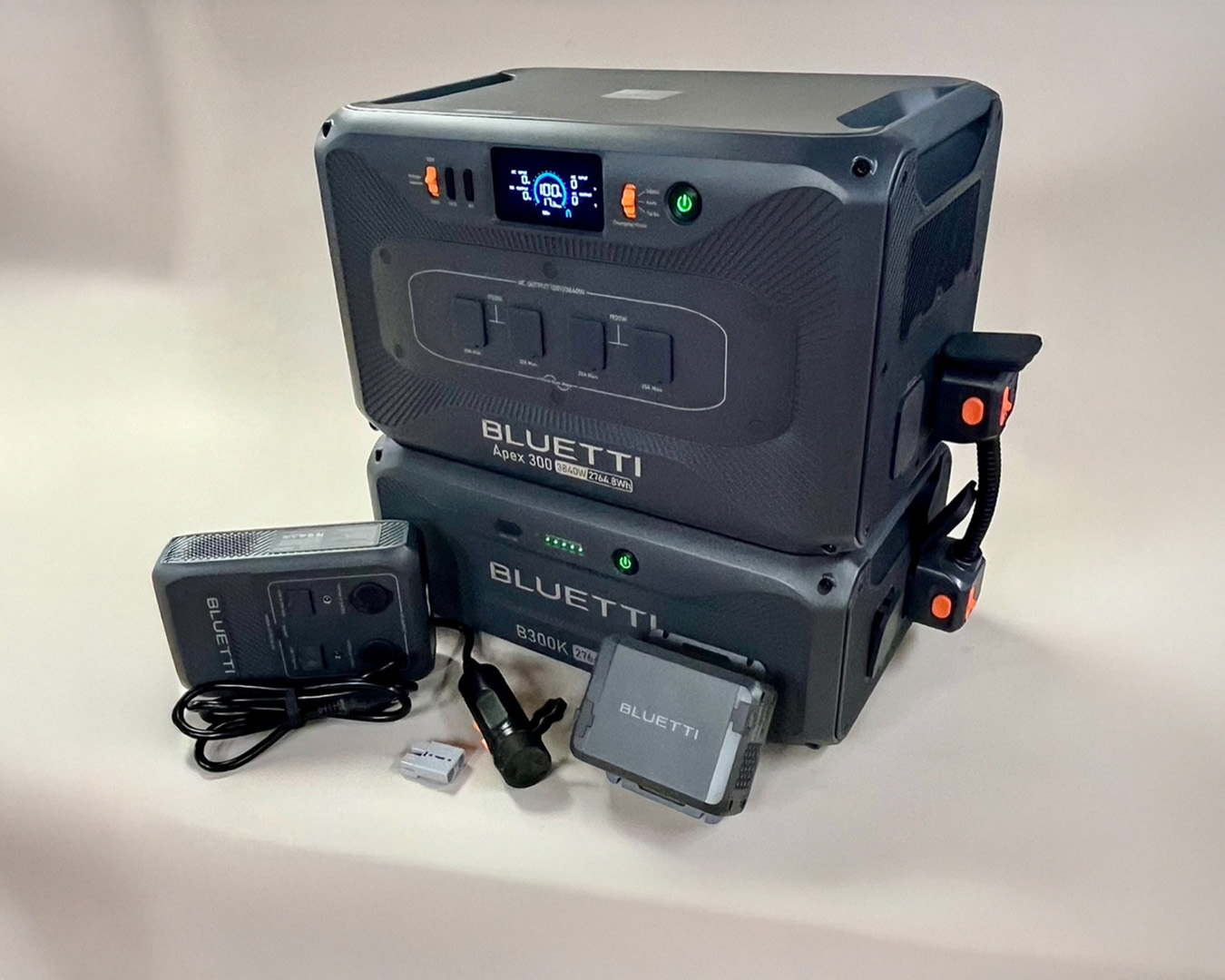
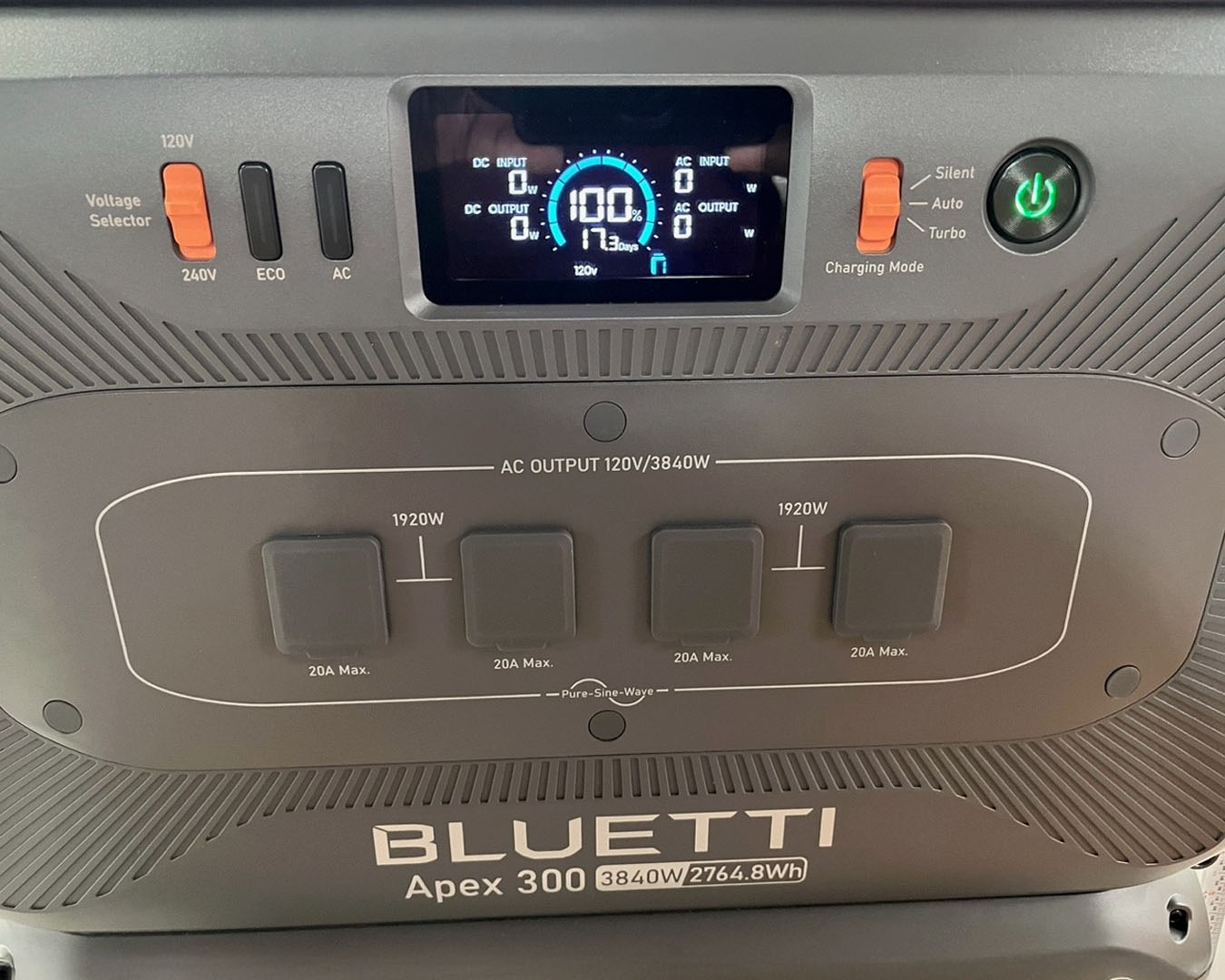
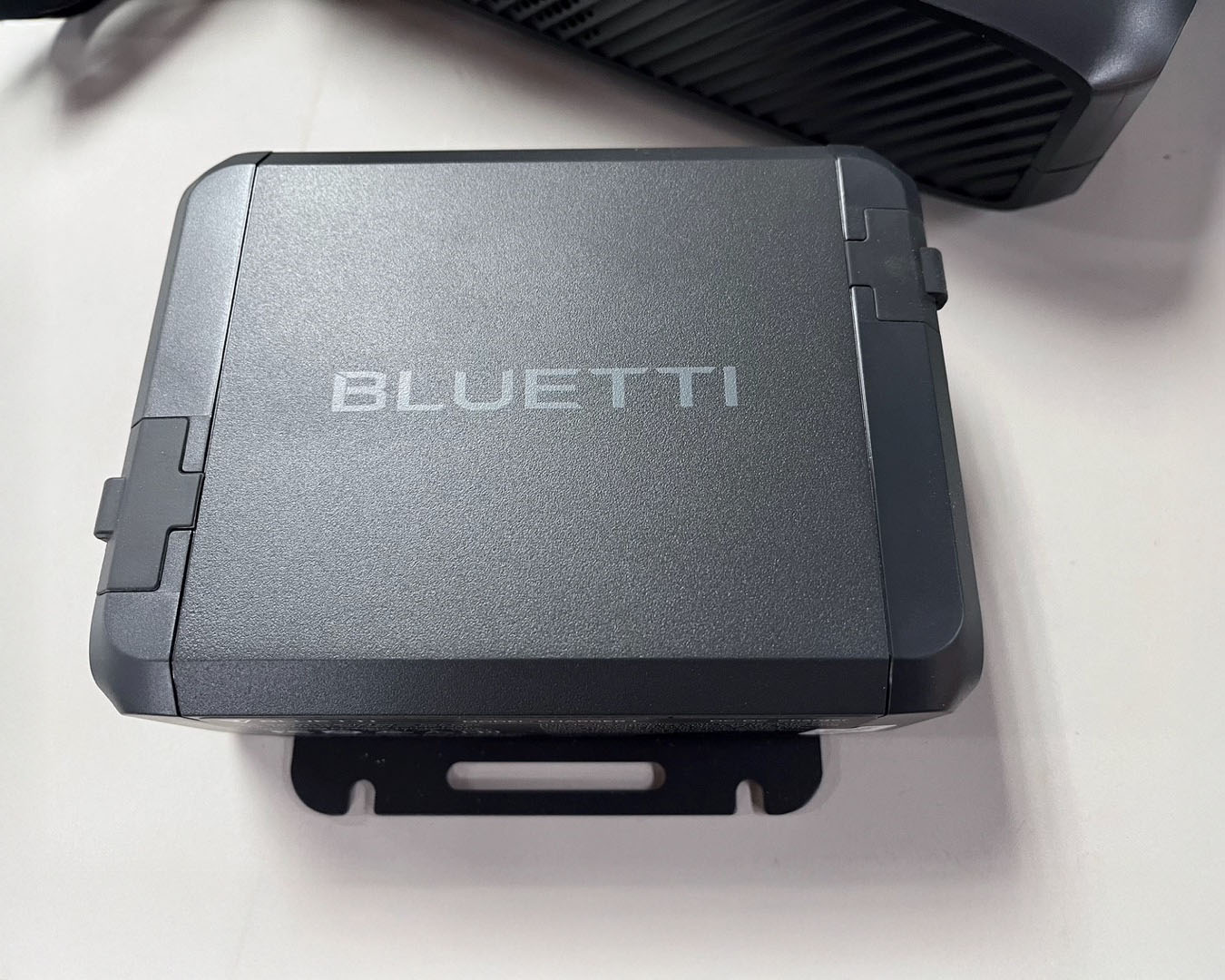
Whew! There are a lot of things to consider when deciding which power station is right for your application. As I write this in the spring of 2025, I am aware of several power stations that offer some, but not all, of these features. To my knowledge, there is only one that checks all these boxes, an as-yet-unreleased new Apex 300 unit from Bluetti.
It not only leads the RV and conversion industry in terms of features and functions, but it also appears to be priced very aggressively, falling within the price range of far less capable units. Right now, the US is offering a 30% tax credit on systems capable of providing at least 3000-watt hours of home power backup, so that will reduce your investment even further if you and the system you select qualify.
The one downside to this plug-and-play approach is that if something ever fails, neither the central unit nor the add-on batteries will be user-repairable. You would have to send it to the manufacturer or some authorized service center to get it repaired.
My suggestion is to build in redundancy by starting with two base units and at least two expansion batteries. If the system you select features my recommended automatic integration, you can, if necessary, remove one unit for repair and still have a functioning system, albeit with somewhat reduced capacity.
As competitive as this industry is, I don’t think it will be long before other major players, such as Lion Energy, EcoFlow, Jackery, and others, bring to market something that will compete with the new Bluetti Apex 300 unit and its highly integrated add-on batteries and optional system expansion boxes. So if you are not quite ready to purchase one of these units, I recommend you review what is available when you are ready to buy your unit and compare the features you are interested in.
Whichever manufacturer’s unit you select, you will find this to be faster, safer, and perhaps even a more cost-effective way to ditch your old, obsolete lead acid-based house battery system and bring all the many advantages of a modern, state-of-the-art lithium battery electrical system to your RV or bus conversion. Enjoy!