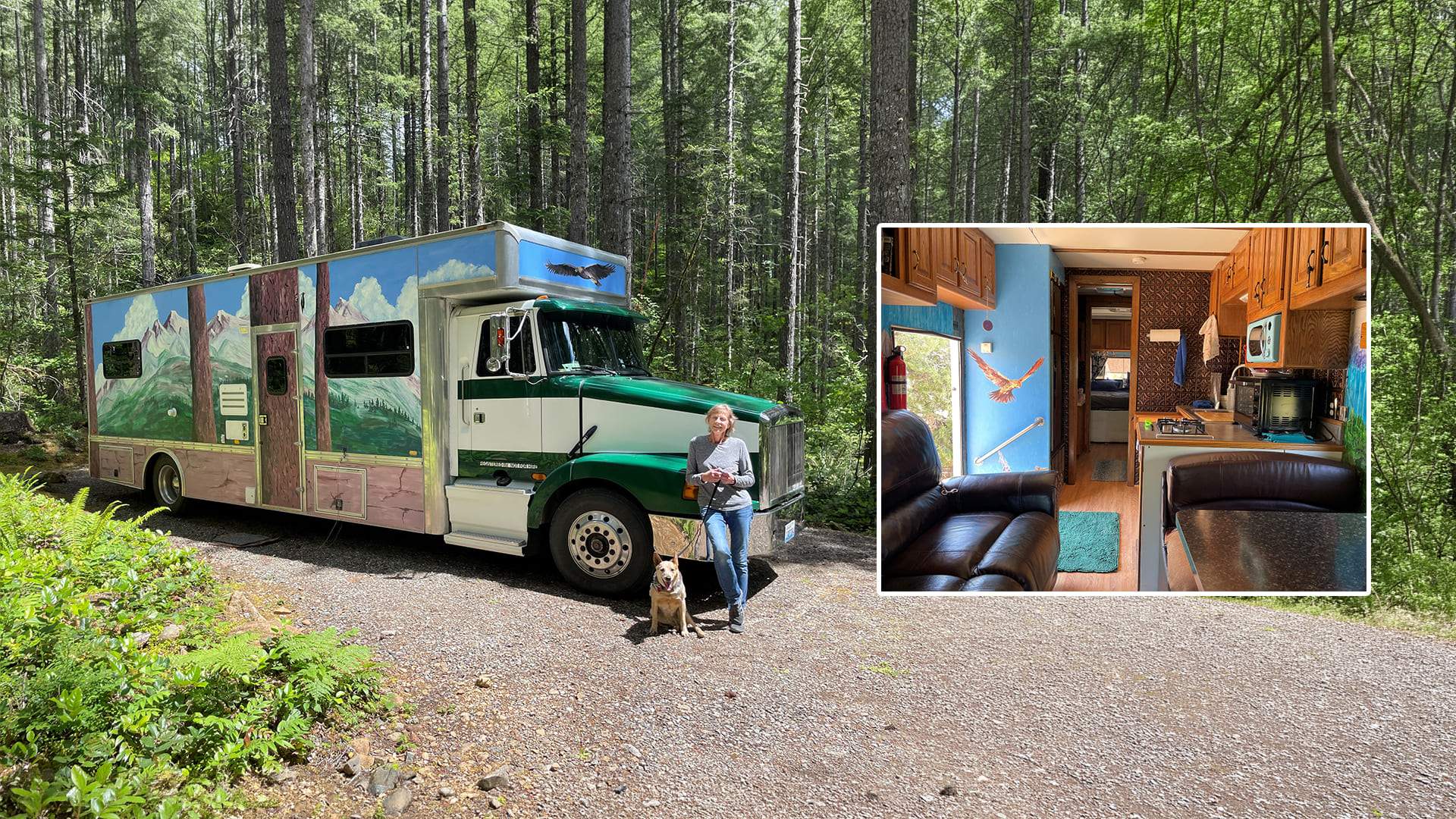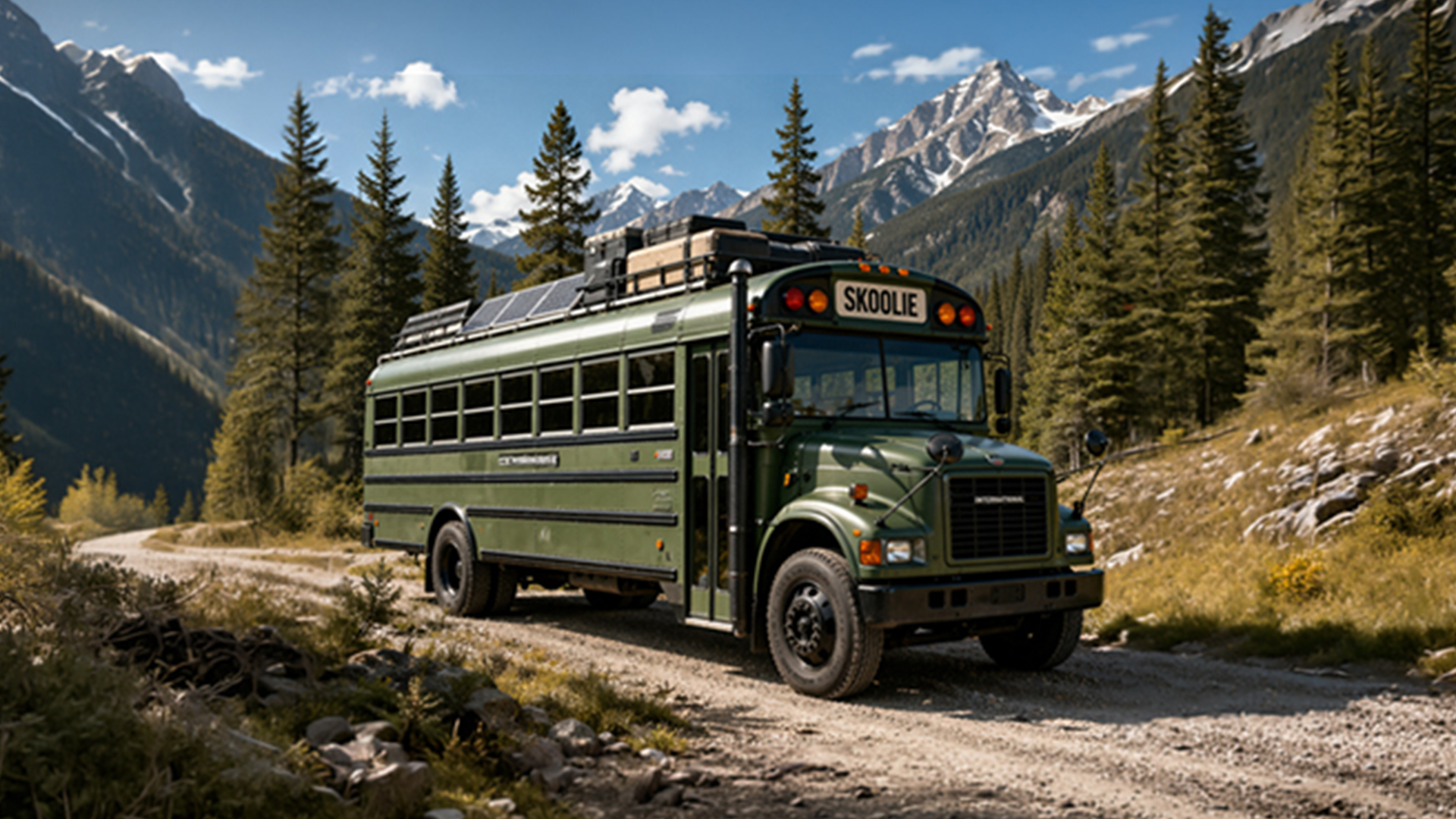


So, you’ve built (or are building) your dream home on wheels, whether it is a vintage bus conversion with reclaimed wood on the inside, a van decked out with solar panels and fairy lights, or a box truck with a translucent roof to allow natural light into your home. You’re ready to chase sunsets, avoid high rent, and live a life most people only scroll past on Instagram.
But let’s be real for a second: Gas is expensive, food doesn’t magically appear in your fridge, and even “free living” comes with a price. The most significant chunk of change usually goes to fuel and where you park your rig at night.
Fuel has a direct correlation with the distance you want to drive between campsites. And where you camp, well, that is up to you. If you’re not careful, campgrounds and RV parks can suck your wallet dry faster than you can say “#vanlife.”
That’s where this guide comes in.
Let’s break down exactly how to find free (or super cheap) places to stay when you’re living the nomadic dream without sacrificing safety, peace, or the vibe.
National Forests and BLM Land (a.k.a. Boondocking Heaven)
If you’re rolling around the U.S., you’re in luck. There’s a ton of public land just waiting for you to camp on for free, or almost free…legally.
National Forests and Bureau of Land Management (BLM) areas are open to what’s called “dispersed camping.” That’s fancy talk for parking wherever it’s legal and doesn’t bother anyone.
Here’s how it works:
- You can typically stay for up to 14 days in one spot.
- No hookups, no fees. Just you, the trees, the wildlife, and the stars.
- Pack in, pack out. Leave no trace (you already know the deal).
How to find spots:
- Apps like iOverlander, Campendium, and FreeRoam are gold.
- Check the BLM website for maps and updates.
- Chat with other nomads. Nothing beats word-of-mouth recommendations.
- Use Google Earth to locate remote areas with roads to get you there.
Pro tip: Just because it’s free doesn’t mean it’s easy. Sometimes you’ll need to drive a bit off-road or filter your drinking water. But if you’ve got the adventure gene, you’re in for a good time.
Harvest Hosts & Boondockers Welcome (Pay Once, Stay Often)
Alright, these two aren’t technically free, but they’re dang close and worth mentioning.
Harvest Hosts lets you stay overnight at wineries, farms, breweries, museums, and more. It’s like couchsurfing for nomads… but with wine tastings and alpacas.
Boondockers Welcome is another gem. It connects you with kind humans who offer a spot to park on their land, often with hookups!
Here’s the deal:
- You pay an annual fee (currently under $100).
- Stay at thousands of unique places across the U.S. and Canada.
- Most hosts ask that you be respectful and consider supporting their business (such as buying a bottle of wine or farm eggs).
This one-time investment can pay off within the first week if you’re frequently relocating. Plus, you’ll meet some of the nicest people ever.
City Streets and Stealth Camping
If you’ve got a van that doesn’t scream “someone lives here,” stealth camping in cities can be a solid (and free) option.
The trick? Blend in.
- Use Reflectix or blackout curtains.
- No lights on at night that leak outside.
- Don’t pop the roof, set up chairs, or open your back doors in public.
- Show up late, leave early.
The best cities for stealth camping tend to be coastal, creative, or simply laid-back (think Portland, Austin, and San Diego). Worst ones? Places with intense HOA vibes or “No Overnight Parking” signs every five feet.
Some stealth warriors swear by parking in:
- Hotel lots (act like you belong).
- 24-hour gyms or grocery stores.
- Hospital lots (seriously).
- Quiet residential neighborhoods, but only if you’re respectful and not staying multiple nights.
But don’t be that person who ruins it for the rest of us. If you get the knock, be polite, move on, and chalk it up to experience.
Stay with Friends, Family, and Internet Strangers
Nomadic life doesn’t have to mean being alone all the time. Chances are, you know someone with a driveway, a yard, or a piece of land.
Just ask.
“Hey, mind if I park my bus out back for a night or two?”
You’d be amazed at how many people are curious about your lifestyle and would be happy to have you as a guest.
If your inner circle is tapped out, consider reaching out online. Facebook groups like Van Life Classifieds, Bus Life Adventure, or RV/Van Nomads are full of folks who offer spots to park in exchange for good conversation or a helping hand with chores.
Bonus: You might end up making lifelong friends or at least score a hot shower.
Work-For-Stay Arrangements
Think of this as the digital nomad version of bartering. You help out, and you get a free parking spot.
Some popular platforms:
- Workaway – Help with gardening, babysitting, web design, or farm chores. You get accommodation, sometimes meals.
- WWOOF (Worldwide Opportunities on Organic Farms) – Work on organic farms in exchange for a spot to stay (sometimes with hookups).
- Hipcamp Hosts – Some are open to exchange offers to take photos, write reviews, or promote their services in return for a complimentary stay.
These options are fantastic if you want to slow down, learn something new, or keep travel costs down without just bumming off people.
Membership Campgrounds and Loyalty Programs
This one’s more of a strategy for long-term nomads. If you’re on the road for 6+ months a year, joining a membership campground program can save a ton of cash.
Some good ones:
- Passport America – 50% off campgrounds.
- Thousand Trails – Pay once, camp all year in their network.
- Escapees/Xscapers – Tailored for full-time travelers; includes resources and community.
Sure, there’s an upfront cost. But once you’re set up, you’ll have places to stay without constantly searching or paying full price.
Bonus: Some of these programs also include mail forwarding and nomad-specific perks (like legal addresses and health insurance guidance).
Religious Centers, VFWs, and Small-Town Lots
This one flies under the radar, but churches, mosques, temples, and community centers are sometimes willing to let you park overnight.
Just ask politely.
Veterans of Foreign Wars (VFWs), Elks, American Legions, and other fraternal organizations often have parking lots with space, and if you’re a vet, even better.
Some small towns even want nomads and RVers to stay, helping to boost local economies. Keep an eye out for city parks or rest areas that allow overnight parking.
Pro tip: Always check local laws and ordinances first. One town might love you, the next might tow your home-on-wheels.
Cracker Barrel, Walmart, and the Rest of the Corporate World
If you’re in a pinch and need somewhere to crash for the night, big box stores are the old faithfuls of the road.
Here are the popular go-tos:
- Walmart (check the specific store, some allow overnight parking, some don’t)
- Cracker Barrel (usually has designated RV spots)
- Cabela’s and Bass Pro Shops
- Home Depot or Lowe’s
- 24-hour gyms like Planet Fitness
Always call ahead or ask a manager. And again, no awnings, BBQs, or all-night raves in the parking lot, okay? Please don’t ruin it for the rest of us.
Also, maybe buy a snack or something. It’s a small way to say thanks, and you need to eat anyway.
Creative Hacks That Actually Work
This is where things get spicy.
Library Parking Lots – Some rural libraries have surprisingly lax parking rules. They’re quiet, peaceful, and often have Wi-Fi you can leech (erm, borrow).
Auto Shops – Need an oil change? Ask if you can stay the night if they’re working on your rig in the morning. Two birds, one engine light.
Fairs and Festivals – Many small towns host weekend events and need vendors or volunteers. Offer to help and ask to park for free. You might even get free tickets.
Unlikely Allies – One nomad we met scored free parking behind a dog groomer’s shop just by being friendly. Another found a bakery that let them stay in exchange for early morning deliveries.
Moral of the story: Be friendly. Be helpful. Be respectful. The world opens up when you’re not just a tourist, but part of the community.
Keep It Clean and Safe
Lastly, a quick reality check: living on the road is incredible, but it comes with its share of responsibilities.
- Always have a plan B (and C) for sleeping arrangements.
- Trust your gut. If a place feels sketchy, it probably is.
- Don’t park where signs say “No Overnight Parking.”
- Respect nature and your neighbors.
- Maintain your rig, whether that’s cleaning your composting toilet or remembering to check your brakes.
Speaking of maintenance, if your RV conversion has a heating or cooling system, be sure to have it inspected and serviced regularly. An air duct cleaning in Orem, for example, might not sound glamorous, but clean air matters when you live in a tiny space 24/7.
Final Thoughts (Okay, Not Final Final—Just Wrapping Up)
You don’t need to drop hundreds of dollars on campgrounds every month if you have a self-contained vehicle to live your dream life on the road. Free and cheap accommodation is absolutely possible; you just need to be a bit resourceful and a little adventurous.
Whether you’re boondocking under a desert sky, sipping wine at a farm in Oregon, or stealth camping near your favorite music venue, the world has plenty of space for you and your rolling home.