How Long Does a Typical RV Conversion Take?
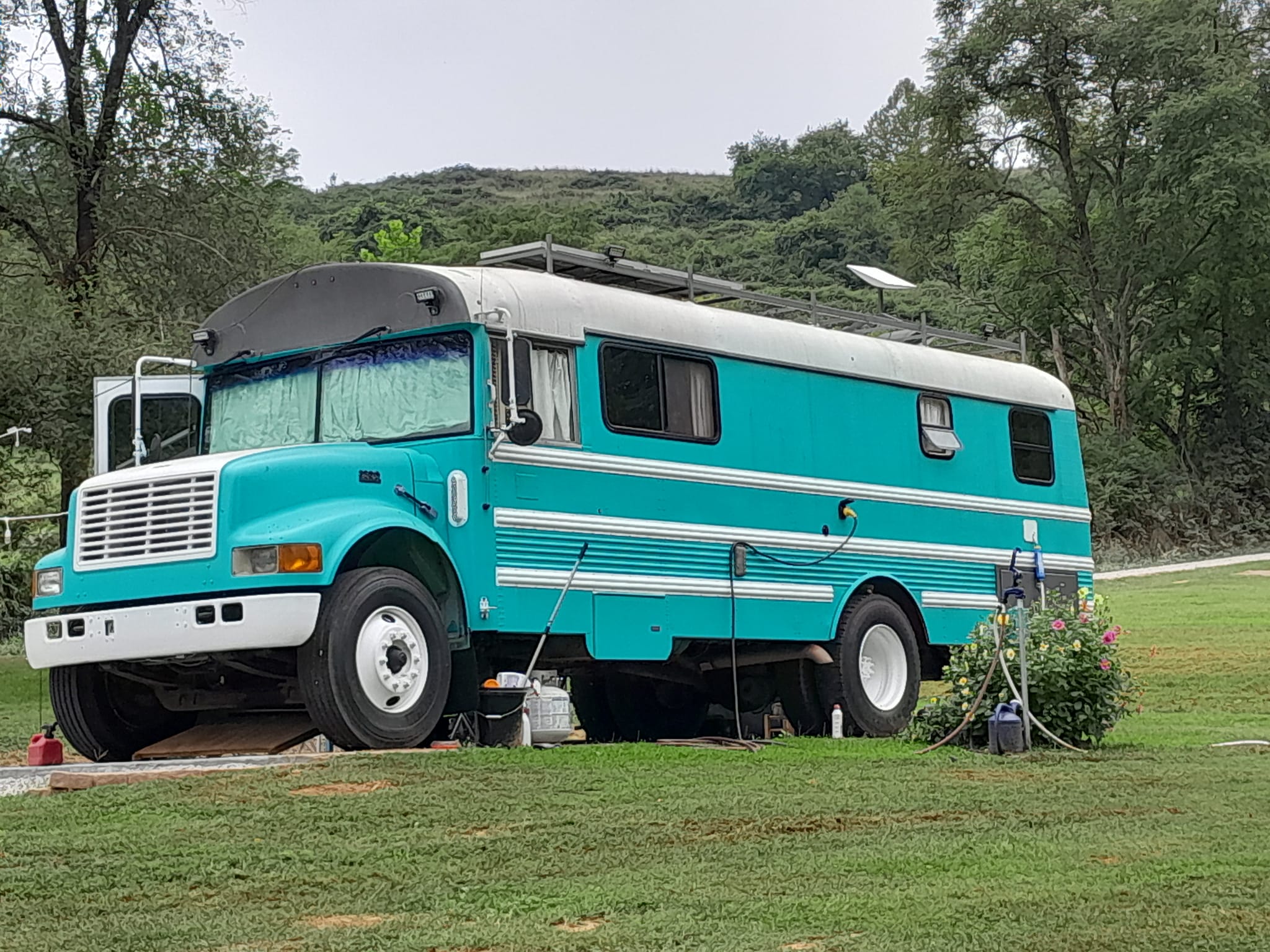
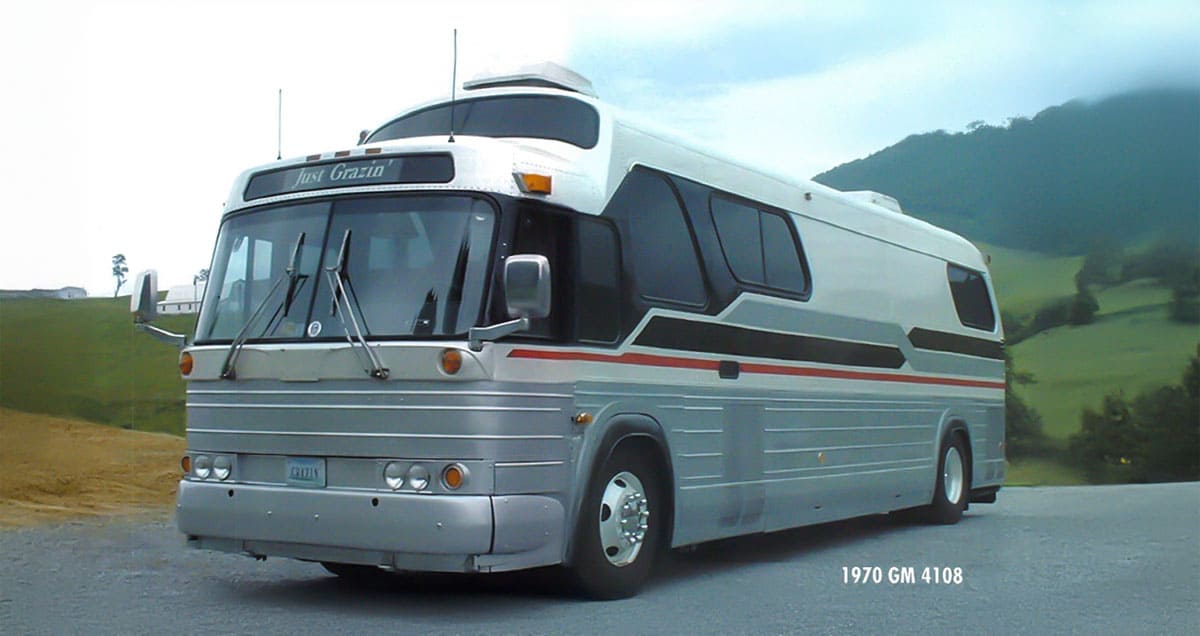
Working on a bus, van, or truck shell to transform it into your own RV that can serve as a home on wheels is an intriguing project. An RV conversion enables individuals to create a space that reflects their nomadic and free-spirited lifestyle. Every single detail can be tailored, including the comfortable accommodations and convenient kitchens. The time required to complete such a conversion, however, may vary. The process depends on the condition of the shell, the builder's level of competence, and the extent of the design.
A very simple conversion can be done in a few weeks. A relatively simple conversion with minimal functionality may require several months. However, with the complex systems, built-in cabinetry, and off-grid capabilities, the project can easily continue for a year or beyond. Knowing these timeframes helps you organize your project efficiently and stay motivated throughout.

Planning and Preparation Matter Most
Planning is essential before any construction project is initiated. This stage involves budgeting, designing, and ensuring the structural soundness of the bus, van, or truck before you start. Detailed planning will help save time going forward. Developing a floor plan, a materials list, and a clear timeline is invaluable. Building 3-D mock-ups of everything in the bus out of poster board may save you hundreds of hours in the end in changes you may not have thought of when first laying our your build.
The conversion planning process typically takes one to two months. This involves removing the original seats, inspecting the flooring, and ensuring that all systems, including brakes and engines, are in proper working condition. The stage is not taken seriously by many, yet it lays the groundwork for everything that follows. The more you plan, the easier the project will be. Keep in mind that the roadworthiness of the vehicle you start with can save you several months of labor and money and put you on the road enjoying your rig sooner.
Building the Interior and Installing Systems
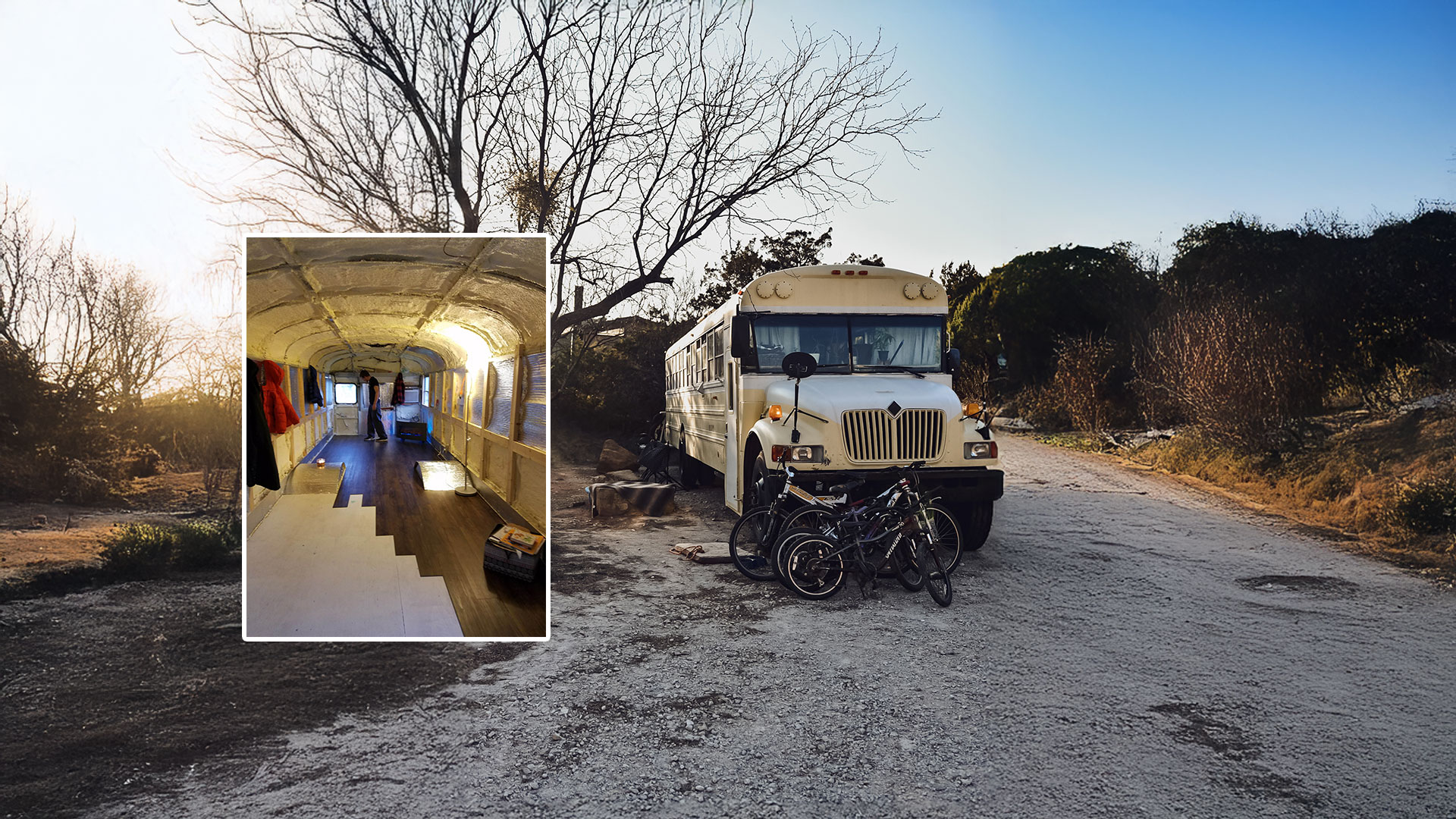
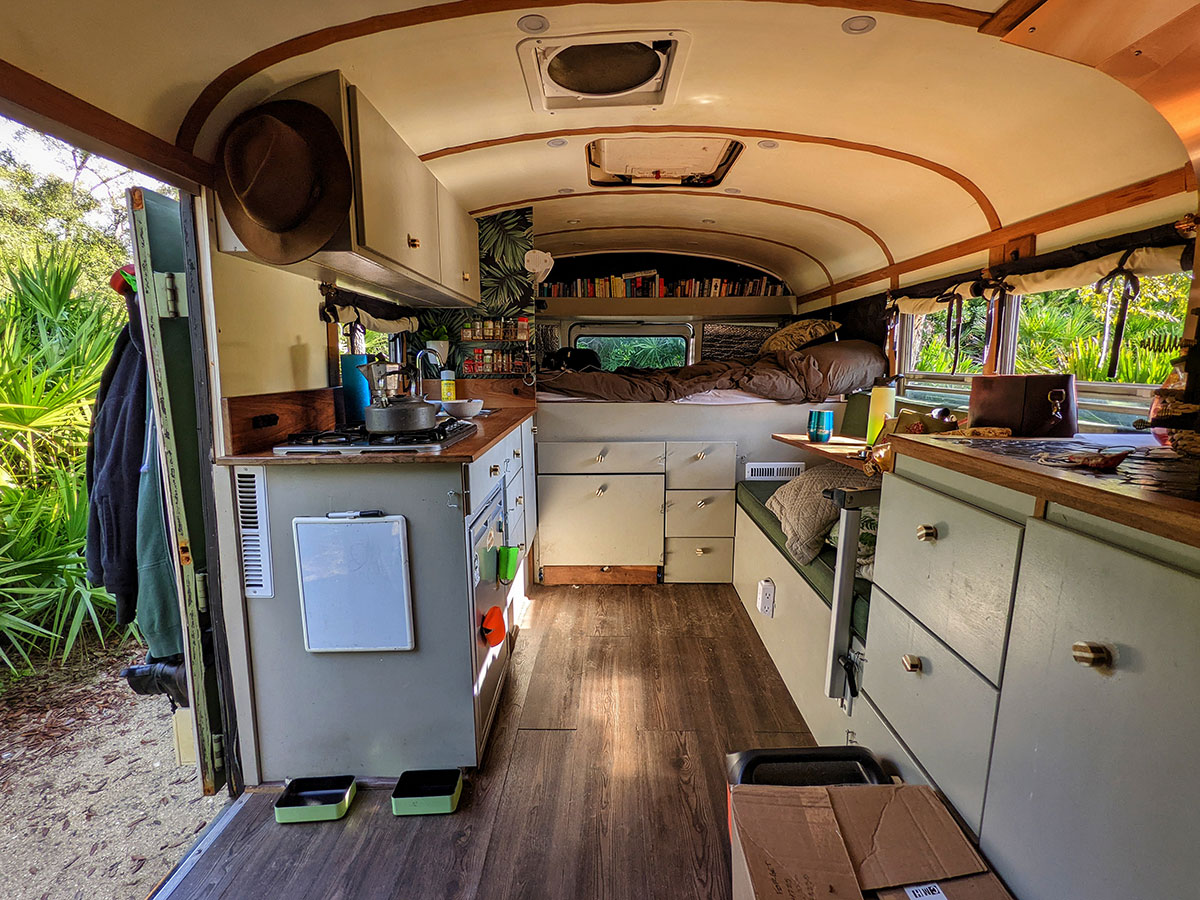
A build-out is the next step after preparation. It is the longest process of an RV conversion. The visible components, such as furniture and appliances, are all installed after framing, insulation, electrical wiring, and plumbing are completed. The average time to complete a basic interior build usually takes DIYers several months, depending on the time you can dedicate to the conversion. Always keep in mind that during your build-out, you want the RV components to be serviceable later if something goes wrong. By serviceable, I mean accessible.
When converting a vehicle professionally, the timeline may be shortened because teams typically work on multiple systems simultaneously. However, when you work solo, you will likely spend more time learning, testing, and refining your work. Solar power, heating systems, and water tanks are complex and time-consuming installations for the project. This is a stage of patience and endurance.
Finishing Touches and Custom Design
After laying out the big systems, you proceed to the finishing stage. At this point, creativity comes into play. Your design vision is brought to life through painting, flooring, cabinetry, and décor. This phase is the most gratifying to most. It is an individual style that makes a vehicle a good home on wheels, suited to your lifestyle.
However, even this stage requires close attention to detail. Depending on the level of elaboration, it may take between one and three months to complete the job. Rough cabinets or handmade woodwork can lengthen the process, whereas ready-to-assemble furniture can expedite it. The aim is to strike a balance between beauty, comfort, and practicality without compromising safety.
How to Shorten the Conversion Timeline
Although every conversion is unique, the RV conversion process can be streamlined. To begin, set your priorities. Choose the essential and non-urgent features. Second, develop a workable plan and adhere to it. If you have the time to work on your conversion regularly, several hours a week, you can continue making progress on your conversion and finish it before those who can only dedicate weekends to their build. Also know that you can start with a basic conversion and reserve options, such as solar and a large battery bank for later, as you learn more about your needs after a few trips in your RV. This will allow you to get on the road and enjoy your rig sooner.
It can also reduce build time when ready-to-assemble or packaged components are used. These solutions are ready-to-fit and therefore require less cutting, measuring, and installation. In the past, most people built cabinets and counters from scratch. However, many people now buy cabinets from Home Depot or similar stores, cut them to fit the bus's contours, and fasten them down. This can save significant time, and money, especially if you are not an experienced cabinet maker.
Finally, consulting with more knowledgeable converters or online networks can save you time and money by preventing expensive errors and the need to start over. By observing others who have undertaken similar projects, you can plan more effectively and efficiently. For example, rather than building their own cabinets, many people now purchase pre-made cabinets and cut them to fit their conversion, saving money and hours of labor.
The Bottom Line
An average RV conversion typically takes six months to a year, depending on the design, skill level, and available time. It requires sitting back, strategizing, and committing to learning. Nevertheless, the reward justifies each hour of work. The completed RV transforms into your unique space, one that you have constructed with your own hands and imagination. Additionally, if you build it yourself, it is not only satisfying but also gives you the confidence to repair it later, as things will inevitably need repair or replacement over time.
The outcome of doing such a project is not just a vehicle. It provides a sense of freedom, flexibility, and satisfaction in making a dream a reality. When you are ready to start your conversion process, do it correctly by researching and employing a sound strategy. BCM has thousands of articles on those who came before you, and you can learn what worked for them and what didn't, saving you hours of making the same mistakes. have. Once you have the right attitude and set goals, your own-designed RV will be on the open highway sooner than you imagine.
Publisher's Note: We have hundreds of examples of previous builds in our back issues dating back to 1992 here.
Nikki is a travel enthusiast with a passion for remodeling worn-down spaces, bringing them back to life.
Inspired by architecture, culture, and design discovered along her travels, she brings a unique perspective to every piece she creates. She believes that both travel and remodeling share the same foundation: vision, creativity, and the courage to reimagine what’s possible.
Through her writing, she blends her love for adventure and design, sharing stories that celebrate transformation—whether it’s a place, a home, or a journey.
to open the company's website.