The Ultimate Guide to Full-Time Living in a Converted Bus
Ultimate Guide Full-time Living Converted
Ultimate Guide Full-time Living Converted is a focus of this bus conversion article. Below you will find practical guidance, builder insights, and community tips about ultimate guide full-time living converted.
The concept of a “home” is undergoing a radical transformation. For many, the traditional American dream of a mortgage and a white picket fence is being replaced by the allure of the open road and the freedom of a mobile lifestyle. Living full-time in a converted bus, often referred to as a "Skoolie," represents a unique intersection of minimalism, DIY craftsmanship, and nomadic adventure. This movement is not merely about finding a cheaper place to live; it is a conscious choice to prioritize experiences over possessions and flexibility over stability.
The Foundation of the Bus Life Movement
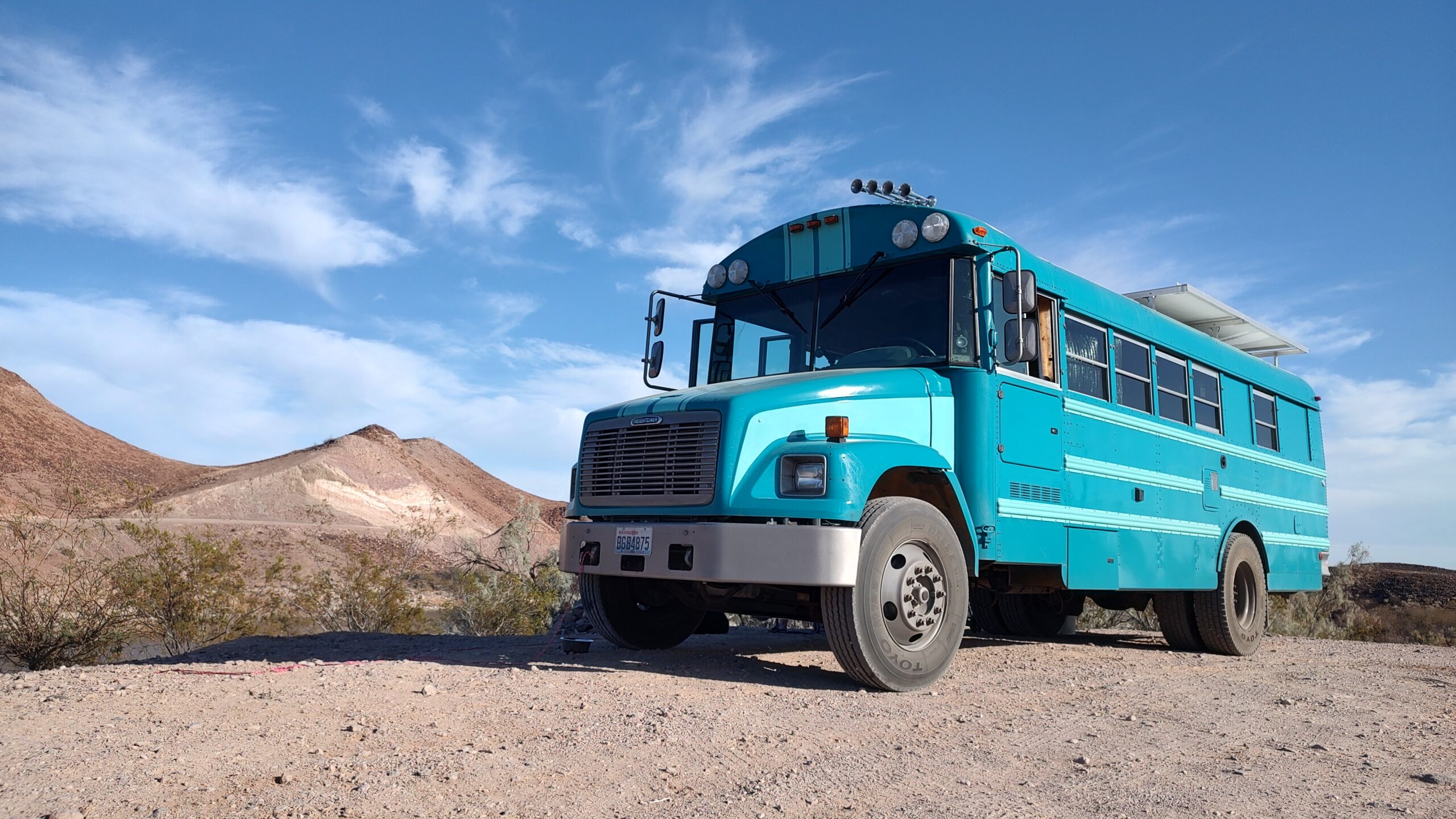
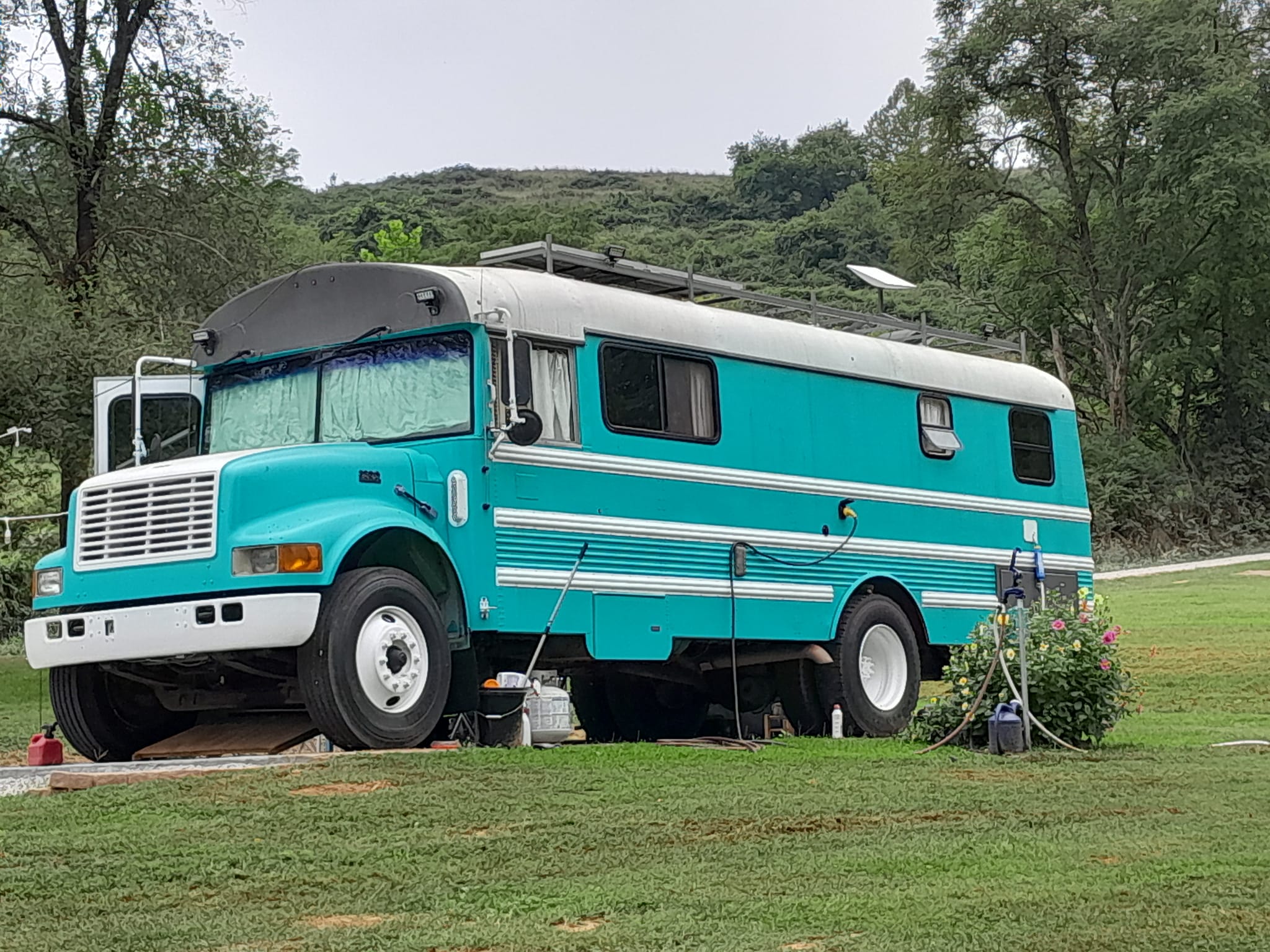
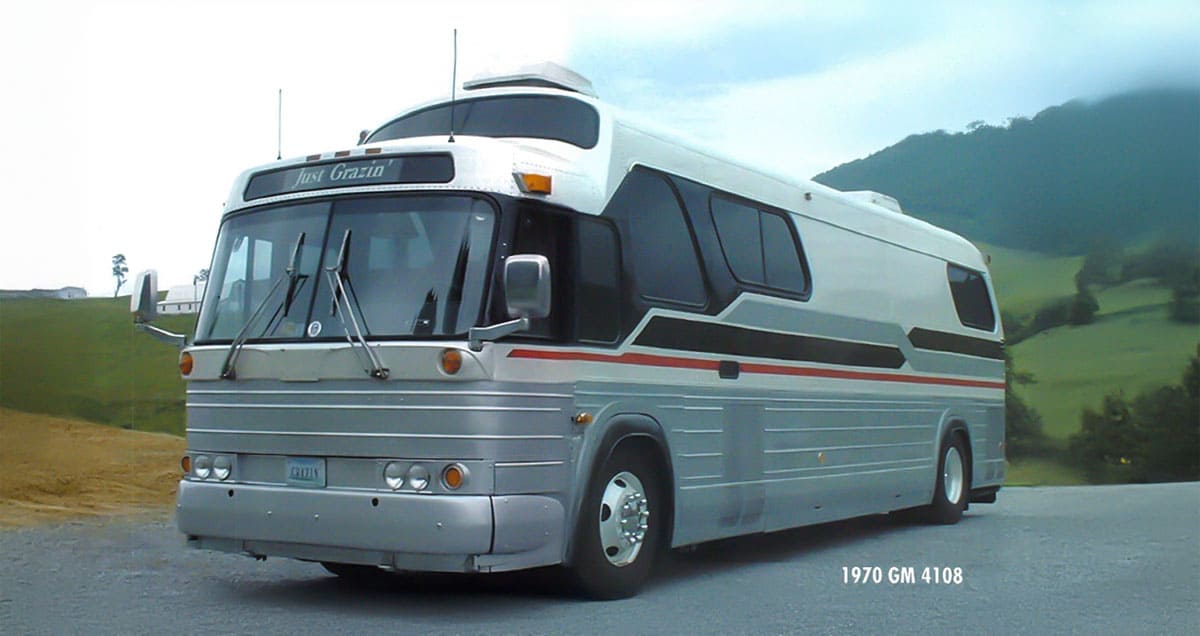
The transition to life on the road begins with a fundamental shift in perspective. To understand why individuals are choosing retired school buses as their primary residences, one must look at the broader context of the tiny house movement, which emphasizes financial freedom and environmental consciousness by reducing living space and one's carbon footprint. School buses offer a robust, steel-framed chassis that provides a level of safety and durability rarely found in traditional recreational vehicles. They're like a traditional tiny house but with wheels, letting you see a different view out your window as often as you like.
When you decide to live in a bus, you are essentially becoming a civil engineer, an interior designer, and a mechanic all at once. The process typically begins with the acquisition of a retired vehicle from a school district or a private auction. This initial stage requires a deep dive into the mechanical health of the engine and transmission, as the bus will eventually carry thousands of pounds of construction materials, water, and personal belongings across varying terrains.
The financial implications of this lifestyle are significant. While the upfront cost of a bus and its subsequent conversion can range from $15,000 to over $100,000, the long-term savings on rent or mortgage payments can be life-changing. However, it is a common misconception that bus life is free. Maintenance, fuel, insurance, and the costs associated with finding legal parking spots are recurring expenses that require careful budgeting and a sustainable income stream, often derived from remote work or digital entrepreneurship.
Planning, Design, and Construction
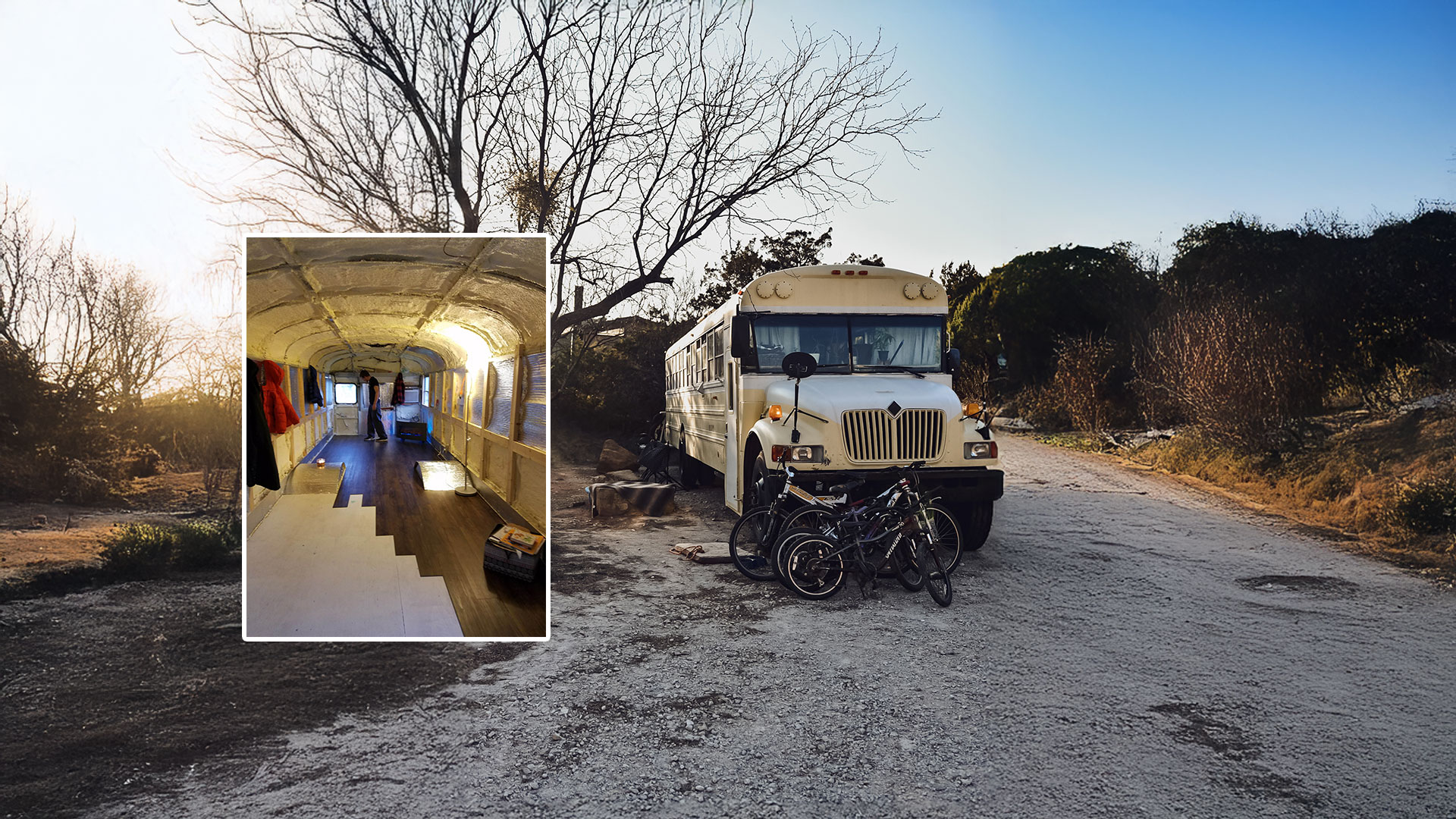
Once a bus is secured, the demolition phase begins. This is often the most labor-intensive part of the journey. Removing dozens of bolted-down seats, stripping the rubber flooring, and tearing out the interior wall panels reveals the vehicle's skeleton. This stage is crucial for identifying any rust or structural issues that must be addressed before the build-out begins. Treating the metal floor with rust-inhibitive paint and sealing any holes left by the seats helps ensure the home's foundation remains solid for years to come.
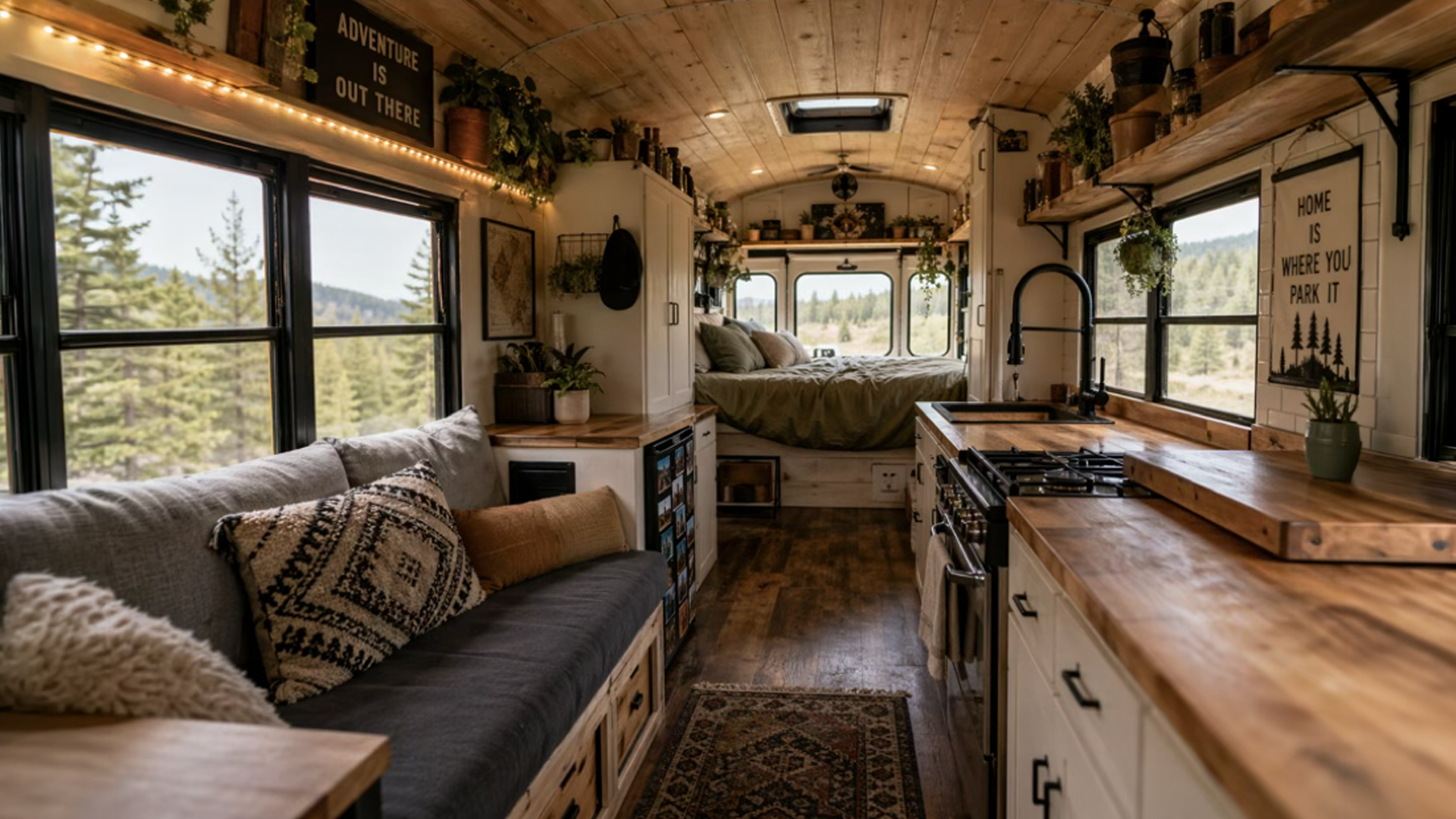
Designing a living space of approximately 200 to 300 square feet demands extreme intentionality. Every inch must serve a purpose, and multi-functional furniture becomes the standard. A couch might double as a storage chest, while a dining table might fold down to become part of a guest bed. Insulation is perhaps the most critical component of a year-round mobile home. Since school buses are essentially giant metal boxes, they are highly susceptible to external temperatures. High-quality spray foam, rigid foam board insulation, or the ultimate, EHP insulation is necessary to keep the interior cool in the summer and warm in the winter.
The mechanical systems of a bus conversion are what truly allow for independence. Off-grid living is made possible through advanced solar power systems. A typical setup includes several hundred watts of solar panels mounted on the roof, a lithium-ion battery bank, and an inverter to convert DC power into the AC power needed for household appliances. Water management is another pillar of the build. Installing large freshwater tanks and separate graywater tanks for sink and shower runoff enables extended stays in remote areas without the need for constant hookups. If you desire a flush-type toilet, a separate black water tank is also required.
Navigating the Legal and Social Landscape
Living in a bus is as much a legal challenge as it is a physical one. Zoning laws and city ordinances often lag behind the reality of the nomadic movement. Finding places to park legally and safely is a constant consideration. Many bus owners rely on a combination of public lands managed by the Bureau of Land Management, private campgrounds, and "moochdocking," which involves staying on the property of friends or family with their permission.
Insurance is another hurdle that requires persistence. Many traditional insurance companies are hesitant to cover DIY conversions due to the perceived risk of non-professional electrical or plumbing work. Specialized agencies and careful documentation of the build process are often required to secure a comprehensive policy. Additionally, registering the vehicle as a motorhome rather than a commercial bus is a vital step that usually requires installing permanent cooking, sleeping, and sanitation facilities.
The social aspect of this lifestyle is surprisingly robust. While the road can be lonely, the community of bus lifers is incredibly supportive. Social media platforms and dedicated forums have created a digital village where travelers share advice on mechanical repairs, the best hidden campsites, and tips for staying safe. Recent reports from Google News suggest that the community is growing as more professionals seek alternatives to high-cost urban living, leading to the rise of "Skoolie Swarms" or organized meetups where dozens of converted buses gather to share resources and camaraderie.
The Reality of Daily Life on the Road
The romanticized version of bus life seen on social media often omits the daily chores and logistical hurdles. Managing waste is a primary concern. Many bus dwellers utilize composting toilets, which separate liquids from solids to minimize odor and facilitate easier disposal. This requires a routine of emptying containers and managing composting mediums like coconut coir or peat moss. Nature's Head is one of the top-selling brands in the composting toilet market and has been around for several years. Similarly, with an RV flush toilet from Ardemco, a leading supplier of RV-related products, finding places to refill fresh water and dump gray water requires planning and specialized apps.
Climate control in a bus remains a perpetual battle. Even with the best insulation, extreme weather will test the bus's limits. Diesel heaters have become a popular choice for winter warmth because of their efficiency and ability to tap directly into the bus's fuel tank. In the summer, many rely on powerful roof-mounted air conditioning units, though these often require a shore power connection or a very large solar array to run for extended periods. Many converters are using mini-split units because they can run on solar and lithium batteries. One of the best units, designed for the trucking industry, is the 12V DC 9600 BTU Split Unit Air Conditioner by EEZRVProducts.
Despite these challenges, the rewards are unparalleled. The ability to wake up in a national forest one day and a coastal cliffside the next provides a sense of wonder that a stationary life rarely offers. The reduced overhead allows more time to spend outdoors, pursue hobbies, or simply enjoy the silence of nature. It forces a person to become more attuned to their consumption habits, from the amount of water used in a shower to the electricity required to charge a laptop.
Sustainability and Environmental Impact
One of the most compelling arguments for bus living is the potential to reduce a carbon footprint. By living in a smaller space, individuals naturally consume fewer resources. The reliance on solar energy reduces dependency on fossil-fuel-based power grids. Furthermore, many bus conversions use reclaimed materials, such as pallet wood for ceilings or vintage hardware for cabinetry, giving a second life to items that might otherwise end up in a landfill.
Much like travelers who choose New Zealand tour packages, coach tours, and self-drive vacations to explore sustainably and efficiently, bus dwellers often adopt mindful travel habits that prioritize environmental responsibility.
However, the environmental impact of driving a heavy, diesel-burning vehicle cannot be ignored. Responsible travelers offset this by staying in one location for weeks or months at a time rather than moving every day. This "slow travel" approach not only saves money on fuel but also allows for a deeper connection with the local environment and community. Maintenance is also an environmental factor; a well-maintained engine runs more efficiently and produces fewer emissions.
The movement is also seeing a shift toward more eco-friendly products within the home. Biodegradable soaps, concentrated cleaning supplies, and a focus on zero-waste living are common among those who spend their lives in the wilderness. The necessity of managing one's own waste and resources creates a profound awareness of the impact that human life has on the planet, often leading to more permanent lifestyle changes in favor of conservation.
Conclusion and Your Next Steps
Choosing to live full-time in a converted bus is a monumental decision that requires a blend of technical skill, emotional resilience, and a passion for adventure. It is a path that strips away the superficial layers of modern life, leaving behind the essentials. While the journey of building and living in a bus conversion is filled with obstacles, from mechanical breakdowns to legal complexities, the freedom it provides is a powerful motivator.
If you find yourself dreaming of the open road, the first step is thorough research. Understand the mechanical requirements of different bus models, study electrical diagrams, and reach out to the existing community for advice. The transition to a nomadic lifestyle is a marathon, not a sprint. Take the time to build a space that truly feels like home, ensuring it is safe, comfortable, and reflective of your personality.By Sara Williams
Sara William is a content contributor and air quality advocate at Sanitairllc, a trusted leader in residential and commercial air duct cleaning. With a passion for promoting healthier indoor environments, Sara combines industry knowledge with a knack for relatable storytelling to educate homeowners on the importance of clean air systems.
When she’s not writing about dust bunnies and duct maintenance, you’ll find her enjoying quiet moments with a cup of coffee and a good book, or brainstorming her next article to help make clean living a breeze.
to open the company's website.