





No products in the cart.
Randy Wallace
January 17, 2026
59 views
Buying Vehicle Conversion Insurance
The world of insurance can sometimes be challenging to navigate, especially when the investment you wish to insure is something as difficult to define as a vehicle conversion. Don’t despair; specialty-RV insurance providers are very familiar with the unique needs of vehicle conversion owners. Post-9/11, the insurance market has been experiencing rough times. Insurance companies have suffered significant losses and, and do not have the investment dollars to offset them. So, we’re seeing insurance companies retreat to lines of coverage that are the most profitable and predictable for them.
How does this affect you, the vehicle conversion owner?
You may see certain carriers choosing not to cover RVs or vehicle conversions anymore, or you may find that, as with most lines of insurance these days, small claims may result in a premium increase or even a loss of coverage. If you have a wood stove or several appendages hanging off the side or back of your bus, or if you have raised the roof or altered the body or frame in any way, you may never find insurance coverage. Too many people are making changes without understanding the basic rules of physics, creating dangerous vehicles.
Where to Start
The first thing to know is that there are two different ways to purchase insurance. You can either contact the insurance companies directly or work with an insurance agent. Most insurance companies that work with agents will also write a policy for you directly. The downside is that you have to do the legwork of calling each company for their rates and coverage options. In contrast, an agent will do the work for you, checking with several insurance companies to find you the best deal and coverage for your vehicle.
Insurance companies will also allow agents to offer special features they don’t offer themselves. Additionally, if problems arise during the claim process, an agent can serve as your advocate with the insurance company.
School Bus Conversions
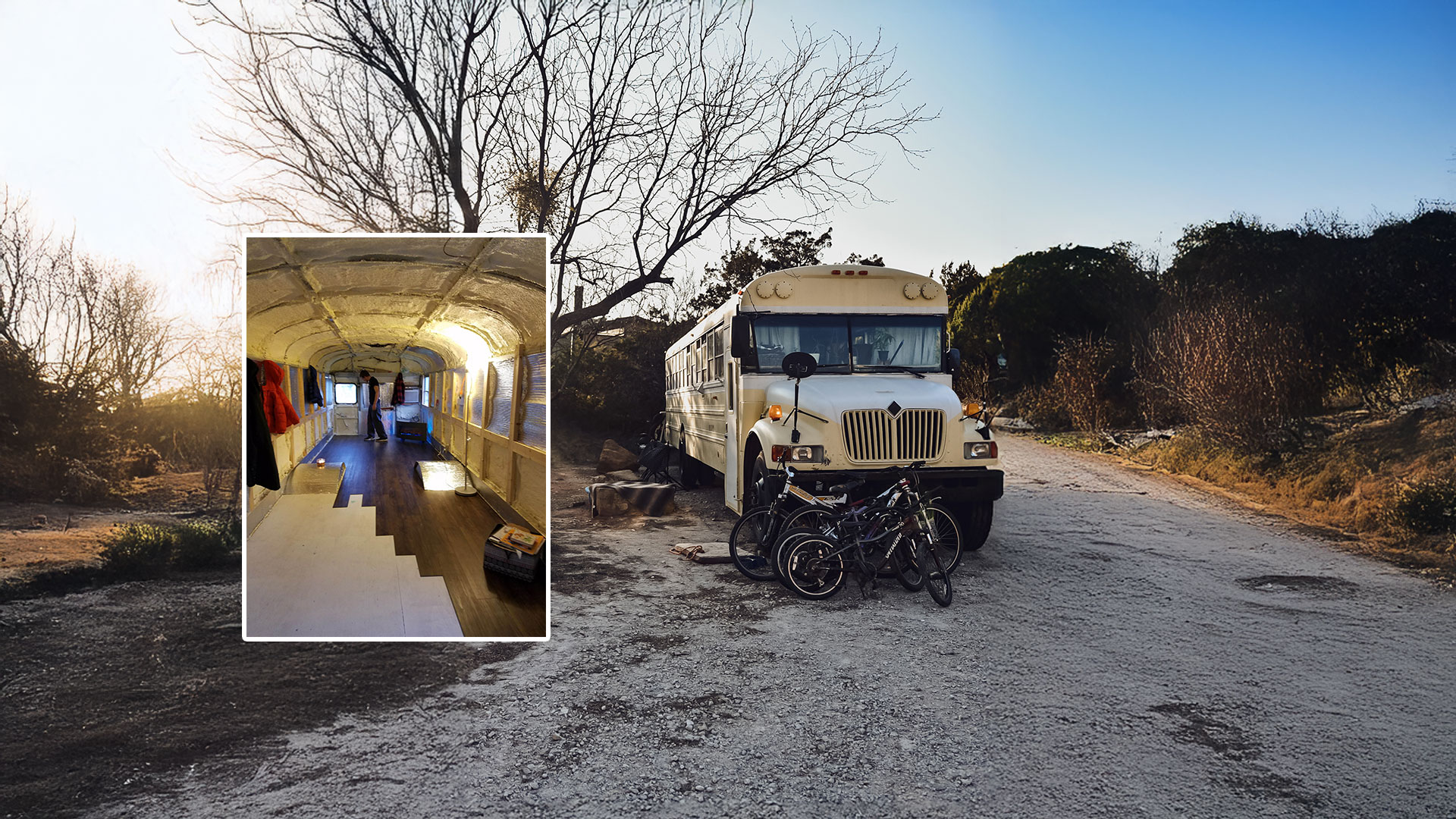
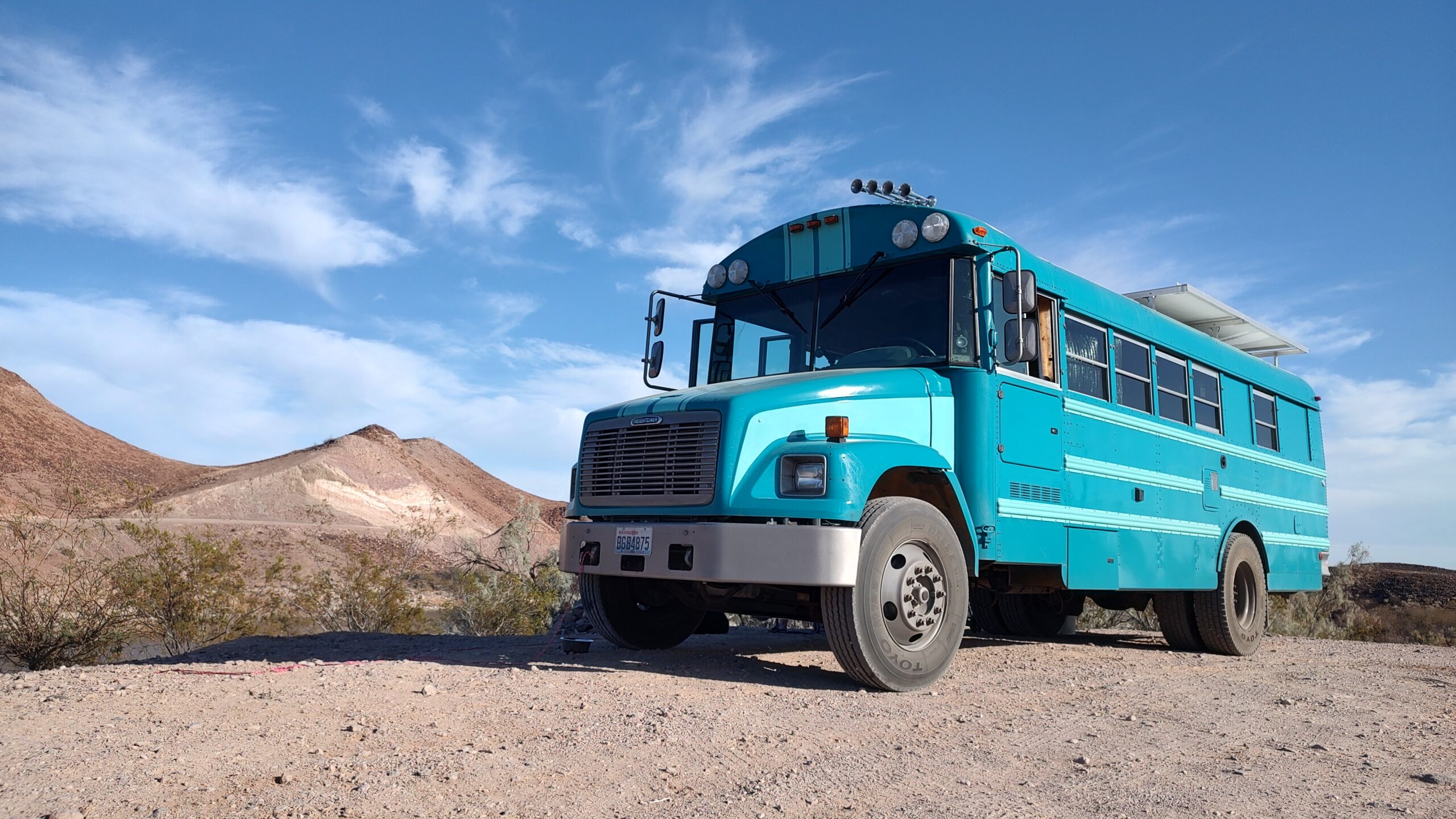
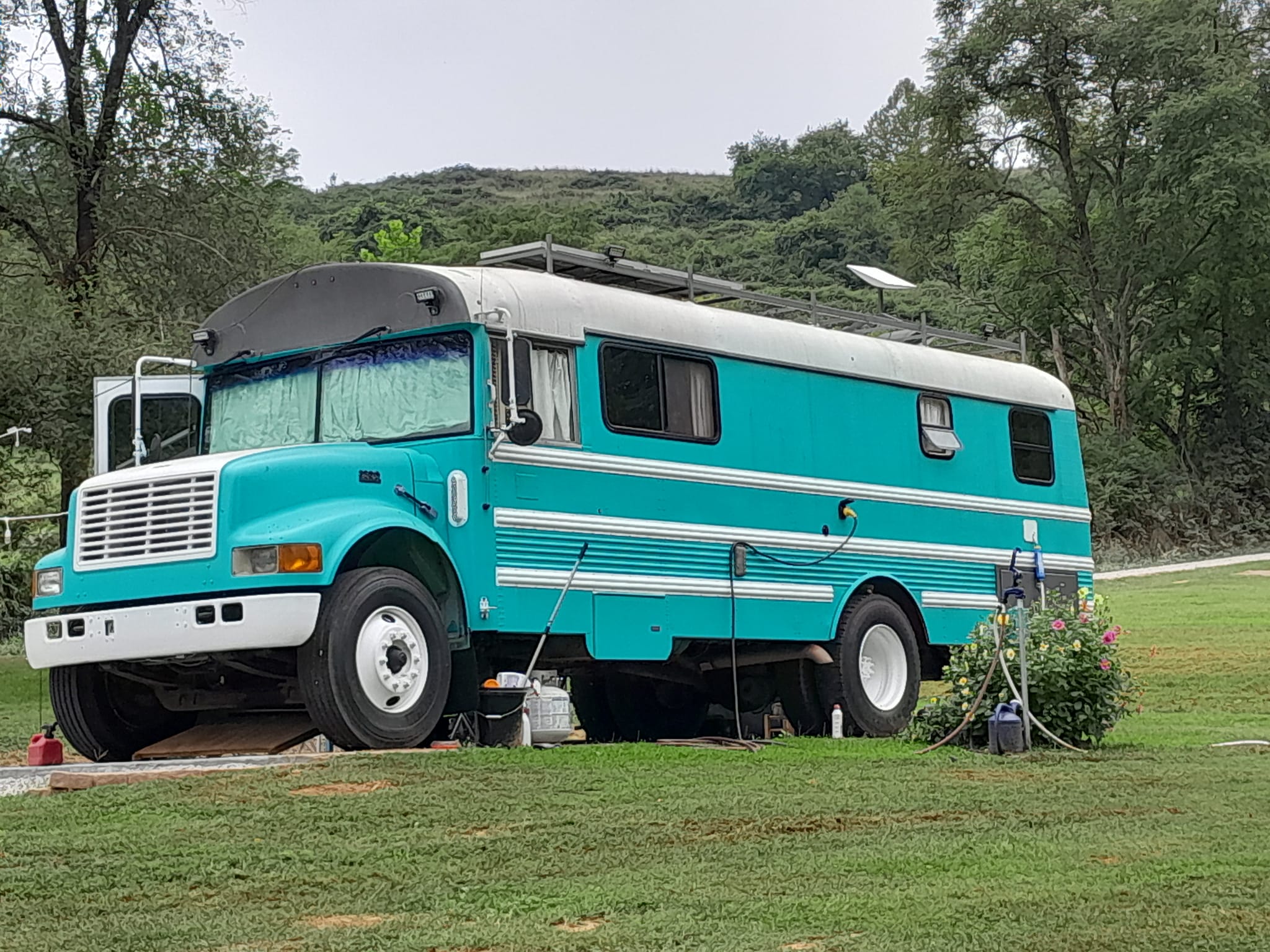
As underwriting guidelines tighten to keep losses in check, insurance companies are avoiding certain types of risk. One of the most well-known risks that most specialty-RV insurance providers avoid is the school bus conversion. Very few companies will insure this type of vehicle. The main reason cited for this is that the axle of a school bus is generally narrower than that of a regular bus. Thus, when the additional weight of the conversion is added, it can result in a top-heavy vehicle, which is more susceptible to rolling over. Historically, more serious accidents have occurred in school bus conversions than in regular bus conversions, and many companies are no longer willing to accept this risk.
Older Bus Conversions
Buses come under additional scrutiny because so many conversions are done on older vehicles. If your bus is older than 20 years, you may be asked to have a professional inspection completed on the vehicle itself and the conversion. Some insurance companies may require updated photos and documentation to prove safety and roadworthiness.
Pre-Conversion Vehicles
Since many of you buy a van, bus, or truck you plan to convert yourself, building value in the vehicle as the months go by, you may need to insure it for physical damage before it’s converted. You will undoubtedly want to have liability insurance when transporting the vehicle from the dealership or place of purchase to your home or workshop. Many times, you will also need to drive the vehicle to a mechanic or tire shop during the conversion process. Unfortunately, insurance companies do not offer temporary RV insurance policies. You will need to purchase an insurance policy that lasts for the duration of the build.
If you opt for full coverage, a policy for a vehicle shell will generally have fewer features than a regular, fully converted vehicle policy. You will have less personal contents coverage and lower physical damage coverage because people usually don’t carry as much stuff with them when they’re in the middle of a conversion. Even for a basic policy, most insurance companies require that the seats be removed and stipulate a period during which the conversion must be complete, typically a year, to continue providing coverage.
Appraisals
Once you find a policy you like, nearly all insurance companies will require an appraisal unless you are looking for a liability-only policy. The appraisal protects both you and the insurance company by establishing the vehicle's value up front. It is in your best interest to have the vehicle professionally appraised so the insurance company knows what it’s really worth. If you have a total loss and you didn’t have an appraisal on record, it could be very difficult for the adjuster to ascertain what your vehicle was worth, since it was a one-of-a-kind custom conversion.
With a basic Actual Cash Value policy, the appraised value will serve as a starting point for the adjuster if you experience a total loss. The adjuster will consider when the appraisal was done and factor in depreciation to arrive at a settlement amount. To fully protect your investment over time, check with your insurance provider to see if they offer Agreed Value Coverage. Agreed Value Coverage locks in the appraised value, and that amount is what you’re paid if you experience a total loss with no deduction for depreciation. The appraisal will need to be updated every two to three years.
Your insurance provider should be able to refer you to a qualified appraiser or, in some cases, will allow you to do a complete evaluation of your own vehicle’s condition. Your assessment can then be submitted to a valuation expert, who will search the market for comparable vehicles and, based on those and your vehicle assessment, place a value on your converted vehicle. This “self-evaluation” process allows you to have a hand in the appraisal, which makes sense because no one knows your vehicle better than you do.
Once you get your insurance, don’t forget that keeping complete records of any improvements, changes, or additions will protect you in between appraisals. Additionally, you should let your insurance provider know when you make changes that alter the value of your vehicle. In a total-loss case, the adjuster will consider your updates.
Vehicle conversions don’t neatly fit into one vehicle category or another; unlike manufactured motor homes, each one is unique. That doesn’t mean you have to compromise on insurance. Specialty-RV insurance providers offer policies tailored to your custom vehicle. When you purchase insurance, be sure you are working with a company that understands your lifestyle and your vehicle and has provided you with coverage that will adequately cover your needs.
To be the first to read all new articles and to read thousands of articles about conversions back to 1992, become a member of BCM.
Click HERE to become a Member now!Click on any image in this column
to open the company's website.
to open the company's website.
