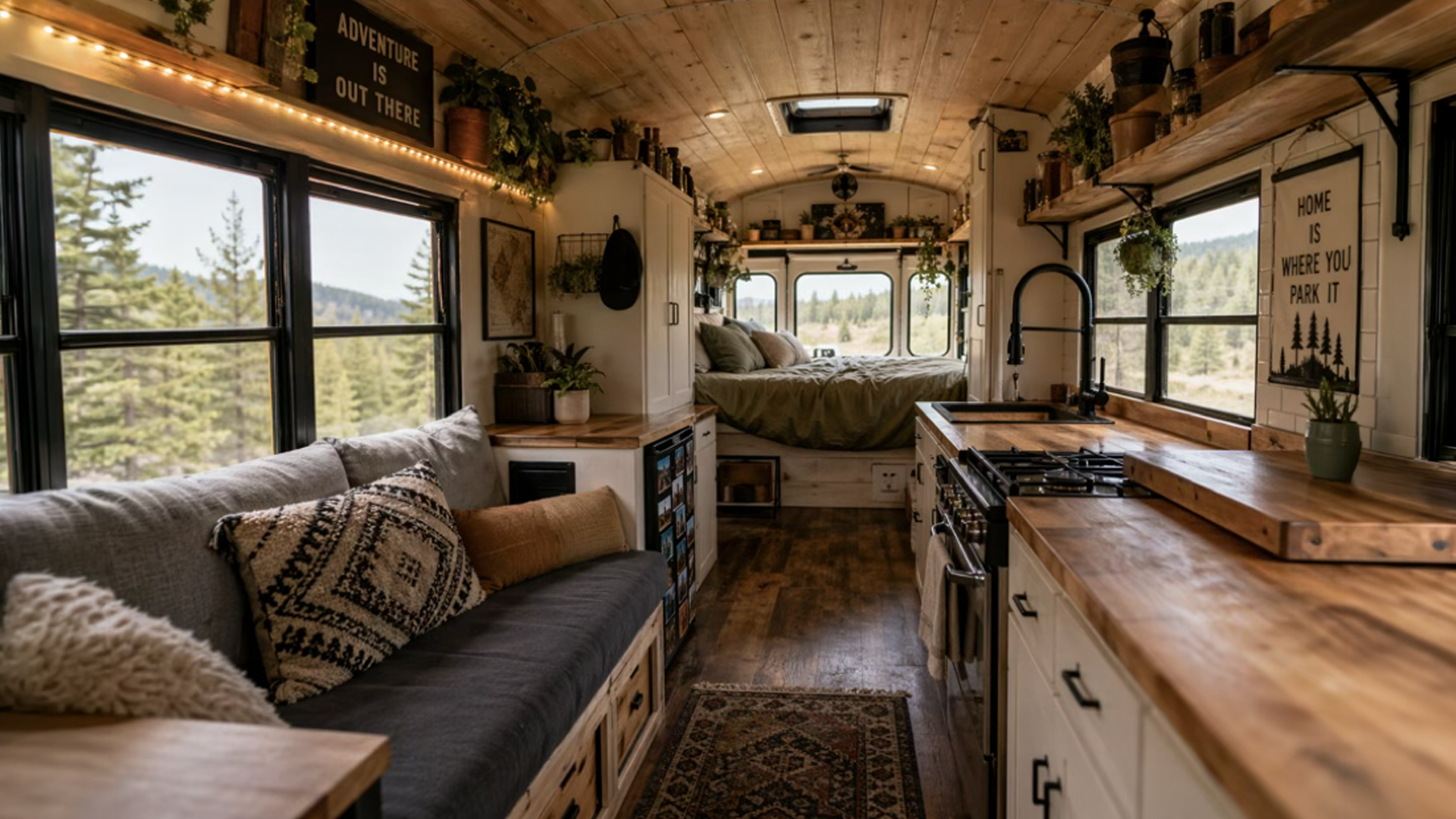
The Ultimate Guide to Full-Time Living in a Converted Bus
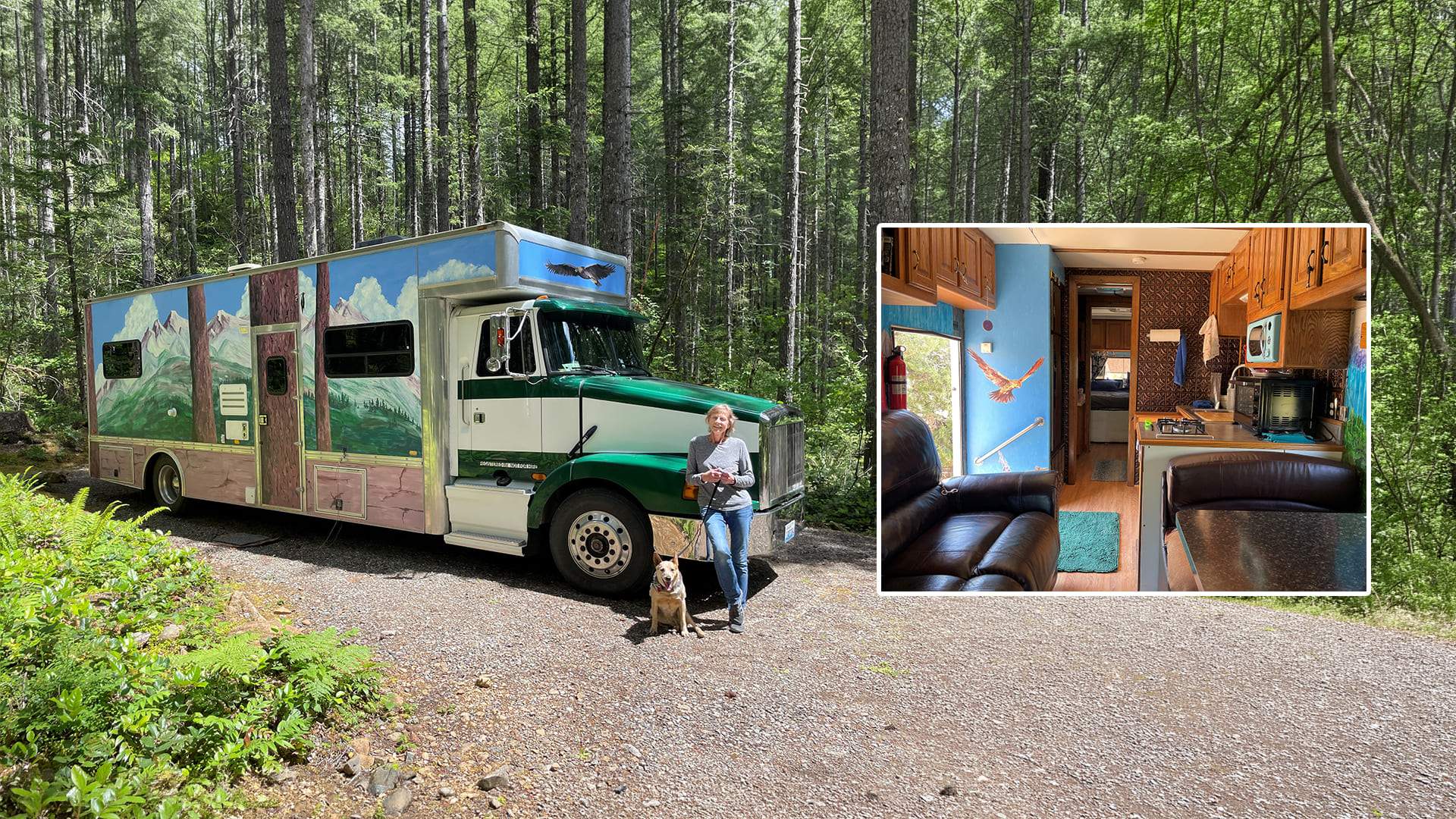
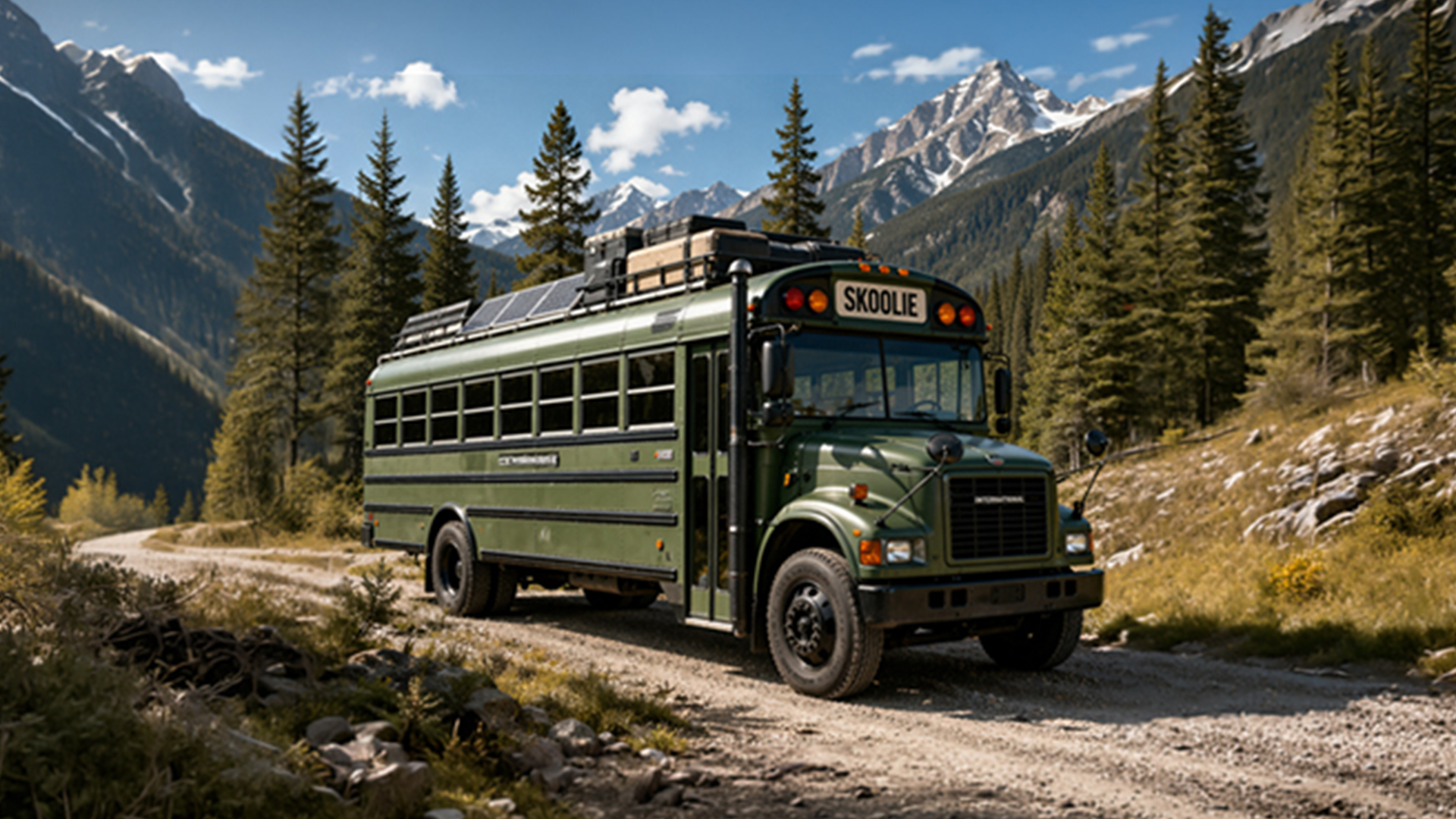
The concept of a “home” is undergoing a radical transformation. For many, the traditional American dream of a mortgage and a white picket fence is being replaced by the allure of the open road and the freedom of a mobile lifestyle. Living full-time in a converted bus, often referred to as a "Skoolie," represents a unique intersection of minimalism, DIY craftsmanship, and nomadic adventure.
This movement is not merely about finding a cheaper place to live; it is a conscious choice to prioritize experiences over possessions and flexibility over stability, and more and more people are choosing this way of life.
The Foundation of the Bus Life Movement
The transition to life on the road begins with a fundamental shift in perspective. To understand why individuals are choosing retired school buses as their primary residences, one must look at the broader context of the tiny house movement, which emphasizes financial freedom and environmental consciousness by reducing living space and one's carbon footprint.
School buses offer a robust, steel-framed chassis that provides a level of safety and durability rarely found in traditional recreational vehicles. They're like a traditional tiny house but with wheels, letting you see a different view out your window as often as you like.
When you decide to live in a bus, you are essentially becoming a civil engineer, an interior designer, and a mechanic all at once. The process typically begins with the acquisition of a retired vehicle from a school district or a private auction. This initial stage requires a deep dive into the mechanical health of the engine and transmission, as the bus will eventually carry thousands of pounds of construction materials, water, and personal belongings across varying terrains.
The financial implications of this lifestyle are significant. While the upfront cost of a bus and its subsequent conversion can range from $15,000 to over $100,000, the long-term savings on rent or mortgage payments can be life-changing.
However, it is a common misconception that bus life is free. Maintenance, fuel, insurance, and the costs associated with finding legal parking spots are recurring expenses that require careful budgeting and a sustainable income stream, often derived from remote work or digital entrepreneurship.
Planning, Design, and Construction
Members Only — Continue Reading
Log in or become a BCM member to read the complete article.
Sara William is a content contributor and air quality advocate at Sanitairllc, a trusted leader in residential and commercial air duct cleaning. With a passion for promoting healthier indoor environments, Sara combines industry knowledge with a knack for relatable storytelling to educate homeowners on the importance of clean air systems.
When she’s not writing about dust bunnies and duct maintenance, you’ll find her enjoying quiet moments with a cup of coffee and a good book, or brainstorming her next article to help make clean living a breeze.
to open the company's website.