






No products in the cart.

David Millhouser
December 12, 2025
61 views
When your RV is in Storage - Minimizing Potential Damage and Costly Repairs
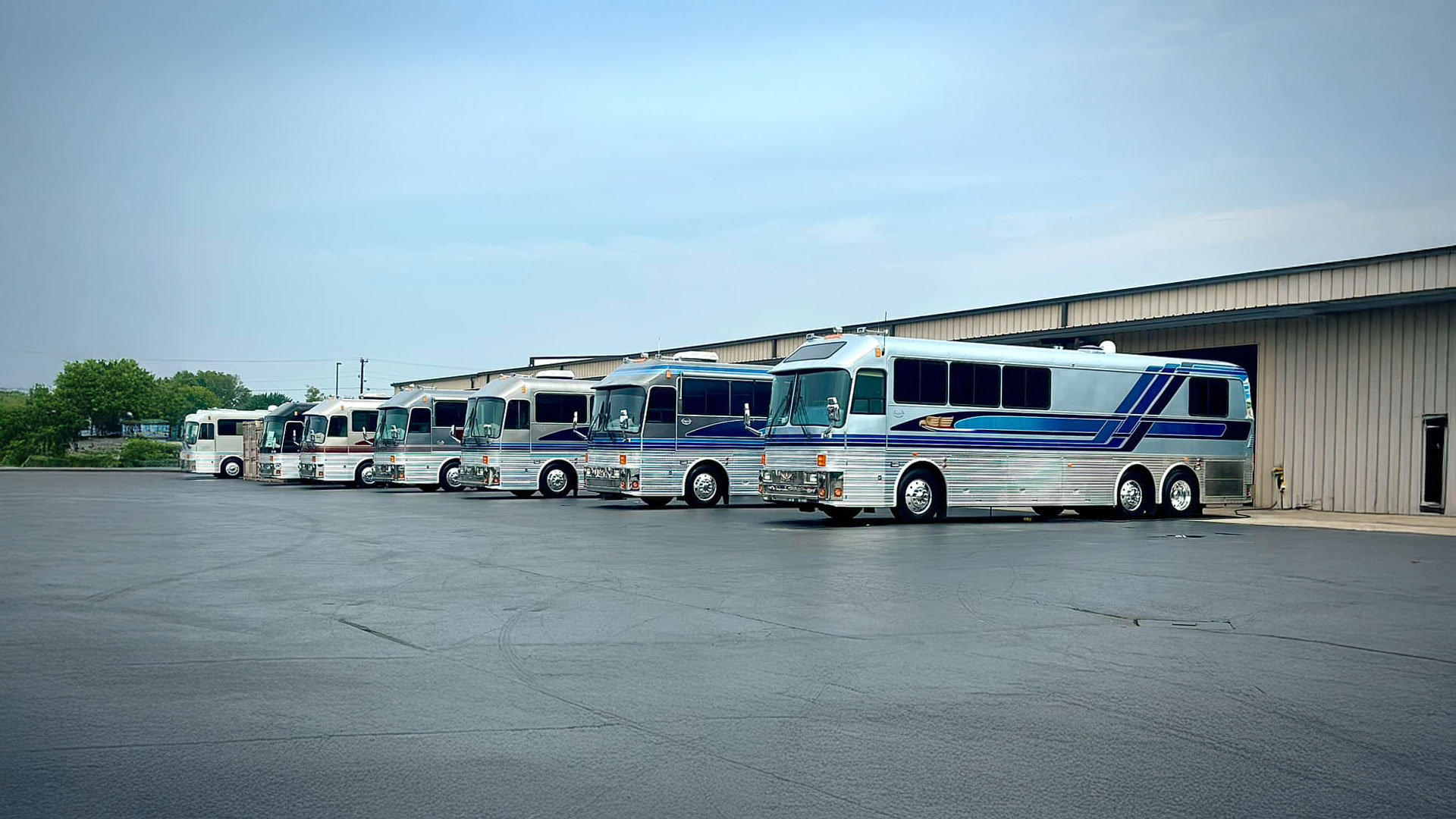
Virtually 95% of the nation’s Motorcoach fleet was sitting idle during the COVID pandemic, with no certainty as to when those buses will be running again.
It was a mild winter until mid-February, when 12 feet of snow fell in just four weeks in New England. My beloved Miata was down for the count, a tiny lump under feet of snow.
By late March, I could tunnel in, but my little car was as dead as roadkill. After a bodacious jumpstart, it belched reluctantly to life. A couple of weeks later, it emerged from the snow cave, and during a brief interval of nice weather, I cranked down the power top.
As the weather window began to close, I hit the switch to raise the top, and... nothing. My buddy and I manhandled that sucker up before the rain started and headed to the Mazda Dealer.
It took mere minutes to resolve the problem; prolonged electron deprivation had caused the car’s computer to forget certain functions, particularly the roof raising feature. Like a reverse “Men in Black” Neuralizer, the Dealer flashed that sucker, revived its brain cells, and the Miata lived happily ever after.
Virtually 95% of the nation’s motorcoach fleet was sitting idle during the COVID pandemic, with no certainty as to when those buses will be running again. There are some things we can do so that when that magic moment arrives, they’ll be ready. This applies to all RVs parked for extended periods, as many are in storage throughout the winter months.
Some things are obvious… start their engines and generators regularly. The main engine and the generator should run under a load for a sufficient amount of time to reach their operating temperature. It’s more important now than ever because it’s uncertain how all this digital stuff will react to electronic malnutrition. Let’s not find out.
Each vehicle has its own protocols that it believes will help, and you should review them. Trusting me is an invitation to the Bus Troll. LOL!
If you must jump-start an RV, follow the manufacturer's recommendations. Sparky is not your friend, and the computers are already miffed about being ignored for weeks. Be gentle with them. Getting it wrong can cause a digital hissy-fit and cost you a lot of money in replacement parts, and they don’t like a damp environment.
Drive your RV around if possible. That keeps seals supple, bearings lubricated, tires round, and prevents things like brake rotors from rusting. It’s humiliating when first wake up your vehicle from a long sleep and you stomp the throttle and the brakes won’t let go. Even if you can’t legally take it out on the road, try to drive it around wherever you can off the road.
In ye olden days, clutch disks sometimes rusted to the pressure plate. It took a hammer, a screwdriver, and colorful language to separate them. Those same words apply to many modern SNAFUs.
If you can take it out on the road, do it. Blow out (or regen) that silly Diesel Particulate Filter (does it have one?) so it doesn’t bite your RV butt later on.
Treat your fuel. Believe it or not, stuff can live in there. Algae is NOT your friend. There are many additives that can help. You may want to consider a process called “polishing” for diesel that has been sitting for months. This involves pumping the diesel out of the tank, through a series of filters, and back into the tank.
Run all air conditioners for an hour, if you can. That keeps components exercised and dries your cabin. Humidity creates all sorts of mischief, and it takes that long to suck out moisture. There are products like DampRid that can help. Trust me, you don’t want your buses smelling like my old dorm room.
Clean your RV before storing it. Organic materials not only have an unpleasant odor but also attract vermin. Mice love dining and nesting in seat cushions near their colleagues... roaches. Deprive them of temptation. Frankly, an antiseptic smell will be a marketing plus in the near future.
Don’t eat any old candy bars you find in the rig. Don't ask how I know.
Change your oil before hitting the road in the spring. Condensation and just sitting around can create acid and sludge. Best if your RV doesn’t get heartburn. Check the fluids. Cold water leaks pop up when things sit.
Track things like registrations and inspections… bureaucrats are generally dormant, but they will pounce if you make a mistake.
Many RV owners’ coaches operate seasonally, and we thought we knew how to embalm and resuscitate them.
One long past Fall, a miscreant driver, passing through the Baltimore harbor tunnel, thought it funny to cut the ignition on the big gas engine, then switch it back on. Normally, this resulted in a gratifying blast of orange flame, but this time it cracked the exhaust manifold. Now is a good time for a full inspection of your rig. After replacing the manifold, we parked the bus for the Winter.
When we tried to start it in the Spring, the engine spun merrily, but never caught. We performed all that old gas engine starting magic, but no joy.
My boss decided the Aerocoach bus was ready to retire. He sold it to the Agnew campaign. Waiting for the tow truck, just for giggles, he tried starting it again and noticed that, after replacing the manifold, we’d forgotten to hook up the throttle linkage.
It fired RIGHT up.
And one last thing, always keep detailed records of your RV's maintenance, so you know where you stand when the moment arrives, and you decide to go on a trip; everything will be in order. It also helps the resale value, as a potential buyer knows you cared for your rig.
Article written by David Millhouser
Dave Millhouser started driving buses cross-country for a non-profit Christian organization called “Young Life” as a summer job in 1965. They carried high school kids from the East Coast to ranches in Colorado in a fleet that consisted of three 1947 Brills, a 1947 Aerocoach, and a 1937 Brill. Their fleet grew to 23 buses and traveled all 48 contiguous states and much of Canada.
When Young Life dropped their bus program, Dave ended up selling parts for Hausman Bus Sales. In 1978 Dave was hired by Eagle International to sell motorcoaches and spent the next 30 years doing that… 13 years with Eagle, as well as stints with MCI, Setra, and Van Hool. His first sale was an Eagle shell for a motorhome, and his career ended selling double-decker Van Hools.
Dave had a side career in underwater photography/writing, and Bus and Motorcoach News asked him to do a regular column in 2006. Millhouser.net is an effort to make those columns available to bus people.
If you find value in them, feel free to use them at no charge. Dave would ask that you consider a donation to the Friends of the New Jersey Transportation Heritage Center
and
Pacific Bus Museum
In May of 2015, the Editor of Bus & Motorcoach News called Dave a Bad Example for Motorcoach Drivers… his proudest accomplishment to date. Read the columns and you’ll see why.
To be the first to read all new articles and to read thousands of articles about conversions back to 1992, become a member of BCM.
Click HERE to become a Member now!Click on any image in this column
to open the company's website.
to open the company's website.
