


No products in the cart.

David Millhouser
February 21, 2025
55 views
Tires and Bus Weight - Why your GVWR is Important
In my previous article, “Tires and Bus Weight – Why Properly Rated Tires are Important”, we discussed the importance of checking your tires regularly, the danger of running incorrectly rated tires for a bus conversions' weight, and the concerns that many converted buses are overweight as per their recommended GVWR, all potentially causing tires to fail prematurely which may lead to an accident. This article discusses bus weight, axle ratings, and the speed factor in the bus’s factory rating.
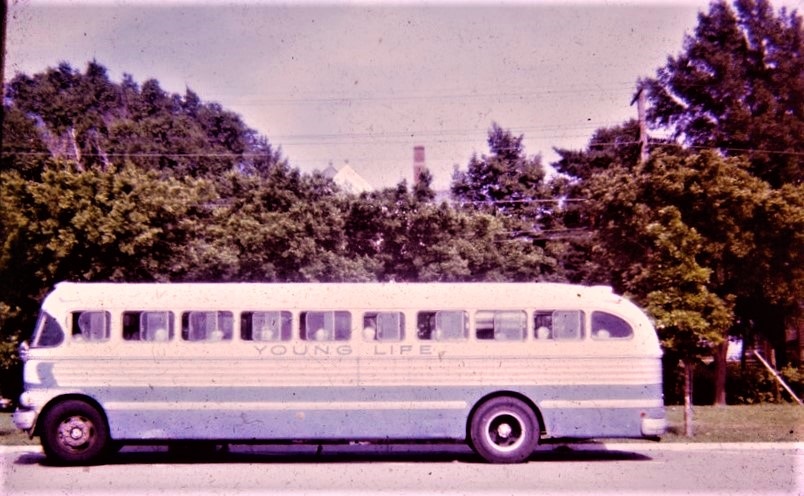
Rolling west on I-70, it was always tense as the old Brill approached Foristell, Missouri. We peered into the distance, trying to glimpse the billboard that announced the weigh station.
Sometimes, hanging from the bottom, there was a little sign that said “Busses Weigh,” and if it was visible, we were in deep doo doo. Fully loaded, the ancient IC-41 was overweight on the rear axle, and quick action was necessary. All the passengers in the back of the bus moved forward and then were forced to squat in the aisle, out of sight of the inspectors. Back in the mid-60s, Missouri was the only state we crossed that weighed passenger buses.
This is oversimplifying, but there are two major ways in which weight matters to law enforcement.
The first concern with highway departments is that the heavier the vehicle, the more it thrashes the road. Most jurisdictions are not awash in money and want their pavement to last as long as possible, so this matters to them.
On Federal highways, motorcoaches and bus conversions are largely exempt from weight regulations. We can argue that a single big vehicle clobbers concrete less than several smaller ones and that the clever engineering that makes coaches ride nicely for passengers also pampers the pavement. Buses hammer the road much less than a truck of comparable weight or a dozen cars.
The second concern about weight does apply to us and is essential.
A vehicle's GVWR (Gross Vehicle Weight Rating) is the maximum weight it can legally carry. This data is generally posted on the vehicle’s builder’s plate. The key word in all this is “legally”.
Each axle is rated, with a maximum for the whole shebang. When a coach is laden, no axle must exceed its rating. When components are overworked, all kinds of mischief can happen, from extended braking distance to hardware failure or blown tires.
Manufacturers determine how much weight an axle can bear by evaluating the components, and like golf, the low score wins. If you have a 25,000-pound axle, wheels rated for 19,000 pounds and tires that can handle 18,000, the tires win. The whole assembly is legally only allowed to carry a maximum of 18,000 pounds.
Two critical factors about tires can make a significant difference. First, they are rated to carry “X” pounds at a specific PSI. If they’re underinflated, they run hotter and can fail prematurely. The weight rating is also for a specific maximum speed, again usually determined by the tires’ capability.
A major manufacturer used to regulate one coach model at 71 MPH, while another was allowed the dizzying speed of 72. The difference was weight, as one model was a tad heavier, so the tires of the first bus could only safely handle 71 MPH at full load.
A full bus rolling faster than the factory’s governor setting is not only speeding but also overweight.
The other thing to be aware of is that a tire rated for 9,000 pounds single (like on a steering axle) is capable of substantially less on a dual-wheel configuration. Because it can’t shed heat as well on the side adjacent to another tire, it’s allowed fewer pounds in a dual application (don’t trust me… read the side of a tire).
That being the case, it might be wise to err on the conservative side. Coach tires spend their lives in a more enclosed environment than on trucks. So, it stands to reason that, in hot weather, they will have more difficulty shedding heat. In addition, on some coaches, the rear tires are also subject to heat from the engine compartment. Consider tire monitoring systems as they can save you more money than they cost.
Most 45-foot coaches (as well as 2-axle buses and transits) are close to maximum GVWR when loaded with passengers, baggage, and freight, and even more so when converted into a home on wheels. That means we must be vigilant about installing correctly rated tires, consistently checking condition and inflation, and educating drivers on the whole dynamic. We must also be aware of how many conversion components and freight we allow aboard for each trip.
In light of some recent incidents in which tires are suspected of being the cause, regulators are likely to check tires and weight, and a bus exceeding its GVWR would not be allowed to continue driving down the road.
Years ago, one of my favorite people in the passenger coach business cleverly figured out that he could save a ton of freight charges by picking up brake drums during Atlantic City day trips. After dropping his passengers at the casino, he’d drive to the parts warehouse and stuff a couple of dozen drums in the belly of his GM4905 while they were gambling.
Many of his customers thought he must have gotten a new bus for the return trip because the ride home was so much smoother. The extra weight smoothed the ride, but hindsight being 20-20, it might not have been such a good idea.
Article written by David Millhouser
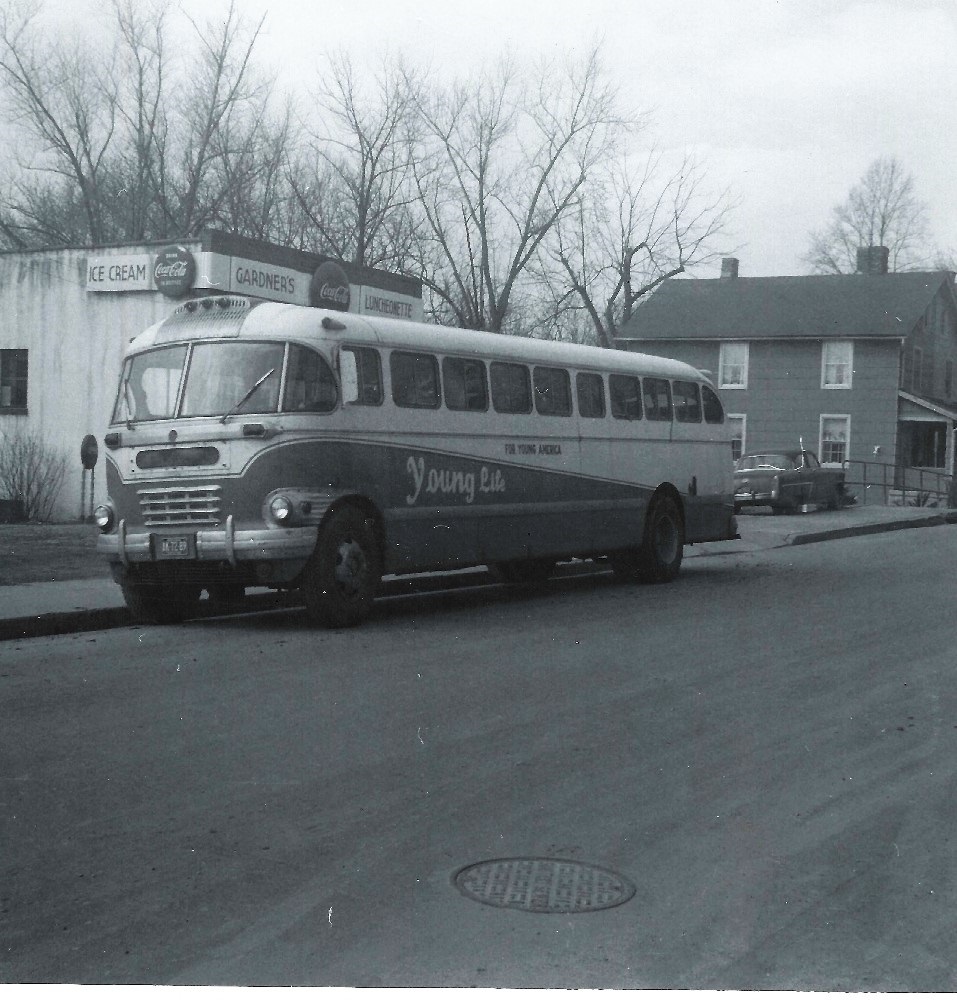
Dave Millhouser started driving buses cross-country for a non-profit Christian organization called “Young Life” as a summer job in 1965. They carried high school kids from the East Coast to ranches in Colorado in a fleet that consisted of three 1947 Brills, a 1947 Aerocoach, and a 1937 Brill. Their fleet grew to 23 buses and traveled all 48 contiguous states and much of Canada.
When Young Life dropped their bus program, Dave ended up selling parts for Hausman Bus Sales. In 1978 Dave was hired by Eagle International to sell motorcoaches and spent the next 30 years doing that… 13 years with Eagle, as well as stints with MCI, Setra, and Van Hool. His first sale was an Eagle shell for a motorhome, and his career ended selling double-decker Van Hools.
Dave had a side career in underwater photography/writing, and Bus and Motorcoach News asked him to do a regular column in 2006. Millhouser.net is an effort to make those columns available to bus people.
If you find value in them, feel free to use them at no charge. Dave would ask that you consider a donation to the Friends of the New Jersey Transportation Heritage Center
and
Pacific Bus Museum
In May of 2015, the Editor of Bus & Motorcoach News called Dave a Bad Example for Motorcoach Drivers… his proudest accomplishment to date. Read the columns and you’ll see why.
To be the first to read all new articles and to read thousands of articles about conversions back to 1992, become a member of BCM.
Click HERE to become a Member now!Click on any image in this column
to open the company's website.
to open the company's website.