



No products in the cart.
Darjan Kubik
February 23, 2024
124 views
Pest Control in Bus Conversions, RVs, and Other Vehicles
Vehicles are not just a means of transportation; they are an integral part of our daily lives. However, they can also become unexpected hosts to various pests, turning our comfortable rides into discomforting experiences.
From ants marching through the dashboard to rodents nesting under the hood, pest invasions in vehicles can be more than just a nuisance.
This comprehensive guide explores effective strategies to rid different types of vehicles of various pests, examining both professional and alternative methods, and provides insights on finding top-rated pest control services.
Identifying Common Vehicle Pests
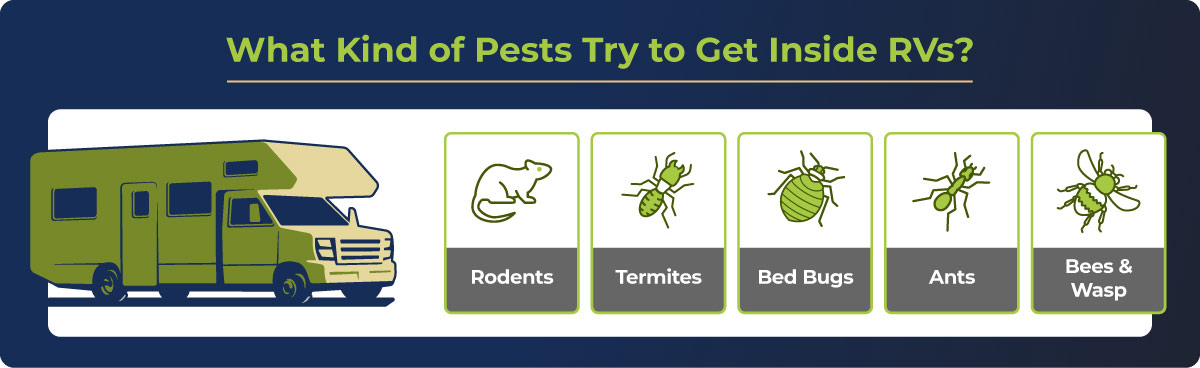
Types of Pests in Vehicles
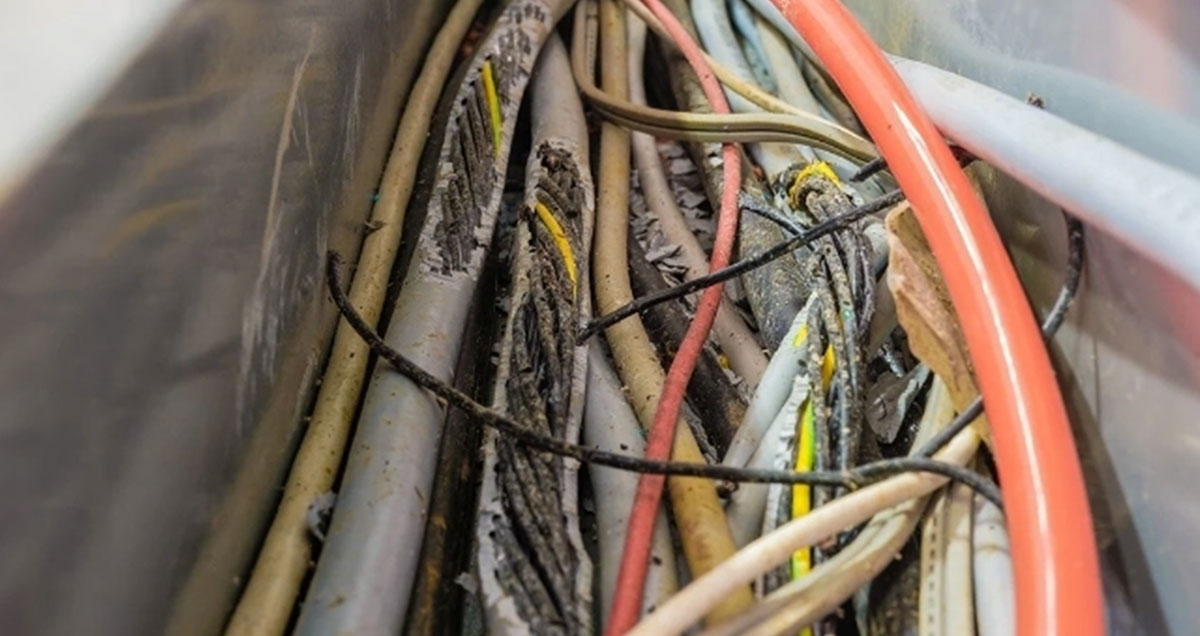
In the confined spaces of vehicles and RVs alike, rodents, such as mice and rats are common culprits, often seeking shelter and inadvertently causing damage by chewing through wires and insulation. They typically gain entry through small openings around the undercarriage, vents, or engine compartments.
Insects such as ants, spiders, cockroaches, and other pests also find their way into vehicles.
- Ants might be drawn by food remnants, forming trails and nests in hidden areas, while spiders often choose secluded spots like side mirrors or under dashboards for their webs.
- Cockroaches can infiltrate vehicles through luggage; thriving in the dark, warm spaces and feeding on food particles.
- Mice, seeking shelter and food, can sneak into vehicles through small openings, typically nesting in secluded areas like under the hood or in upholstery, and can cause significant damage by chewing on wires and insulation.
Recognizing Signs of Infestation
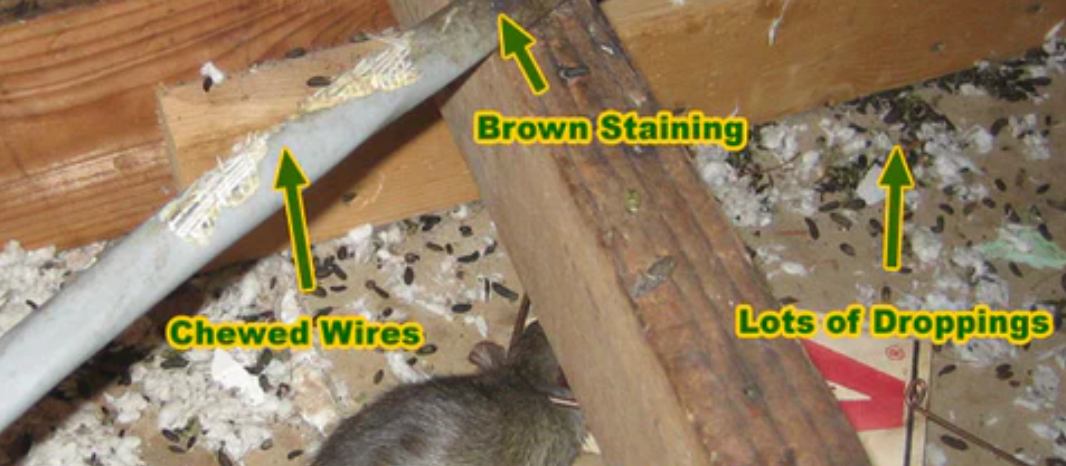
The presence of pests in vehicles can be identified by specific signs. Gnaw marks on wires, upholstery or plastic parts are a telltale sign of rodent activity and can pose electrical and safety hazards, and can even cause fires.
The appearance of webbing or nests indicates spiders or insects, with spider webs commonly found in vehicle corners or air vents and insect nests in undisturbed areas like under seats.
Additionally, the discovery of small, dark droppings in or around the vehicle is a clear indicator of rodent infestation, while granular droppings or shed skins suggest the presence of insects.
Methods to Eliminate Pests in Vehicles
Professional Pest Control
Engaging professional pest control services involves a comprehensive approach. These experts conduct thorough inspections to identify the types and extents of infestations, including hard-to-see areas.
They also pinpoint potential entry points for pests. The treatment methods used are specifically chosen for their safety and appropriateness for use in vehicles and can range from chemical treatments to traps and baits, depending on the infestation.
Additionally, these professionals provide valuable advice on measures to prevent future infestations, including tips on regular maintenance and product recommendations.
DIY and Alternative Methods
For those preferring a do-it-yourself approach, several methods can be effective. Using natural repellents like peppermint oil or cayenne pepper can deter rodents, utilizing their strong scents as a natural defense.
Regular cleaning routines, such as vacuuming the vehicle interior and wiping down surfaces, play a crucial role in removing food particles and scent trails that attract pests.
Moreover, ensuring that windows and doors seal properly, and inspecting for and sealing any gaps or cracks, particularly in older vehicles, are essential steps in preventing pests from entering the vehicle.
Special Considerations for Different Vehicle Types
Cars and Sedans
- Interior Checks: It's important to regularly inspect under seats, in glove compartments, and other hidden areas for signs of pests. Crumbs, wrappers, and other food remnants should be removed promptly to avoid attracting insects and rodents.
- Engine and Trunk: These areas are particularly appealing to rodents as nesting spots due to their warmth and seclusion. Regular checks and cleaning can help prevent infestation.
Recreational Vehicles (RVs) and Campers
- Food Storage: Since bus conversions and other types of RVs are often used for long trips and may store food, it's vital to store food items in sealed containers to avoid attracting pests.
- Regular Maintenance: Frequently inspect and seal any gaps or openings where pests might enter. This includes checking window seals, door frames, and external power, sewer, and water connections.
- Ventilation Systems: Ensure that ventilation systems are clean and well-maintained, as these can be entry points and hiding spots for small pests.
Motorcycles and Bikes
- Storage: Motorcycles and bikes should be stored in clean, dry areas. A damp or cluttered storage space can attract pests like spiders and rodents.
- Covers: Using covers that fit snugly over motorcycles and bicycles can help prevent pests from finding hiding spots. Ensure the cover is secure and check it regularly for signs of pest activity.
Preventative Measures: Keeping Your Vehicle Pest-Free
- Regular Cleaning Maintaining a clean vehicle is essential in deterring pests. This includes vacuuming the interior, cleaning up food spills immediately, and regularly washing the exterior to remove any residues that might attract insects.
- Prompt Repairs Addressing damages or gaps in the vehicle promptly is crucial. This includes fixing broken vents, sealing cracks, and ensuring that doors and windows close tightly.
- Mindful Parking Be cautious about where you park your vehicle. Parking near garbage areas, in long grass, or in areas known for pest infestations can increase the risk of pests entering your vehicle.
- Seasonal Considerations During colder months, vehicles become more attractive to rodents seeking warmth. Regular checks during these times are crucial. In warmer seasons, insects are more active. Keeping windows and sunroofs closed when the vehicle is parked can prevent their entry.
Electronic Deterrents
The purpose of using sound repellents and flashing lights is to alarm mice and other rodents and prevent them from building nests or feeding in certain areas. However, it should be noted that the emitted sound from the devices cannot pass through walls and may be limited by furniture, which can reduce their effectiveness.
- LED Lighting Deterrents
Mice are nocturnal and cause millions of dollars in damage to homes, cars, and RVs every year. Some RVers have found a solution to keep mice out of their RVs - LED lights. It makes sense since mice are less likely to come out during the day. This solution can also prevent other pests from entering the RV. Some people surround their vehicles with them, and some people put them in their engine compartments where there is heat, and leave their hoods open slightly at night to deter animals from hiding in those spaces.
By taking these specialized precautions for different types of vehicles and adhering to general preventative measures, vehicle owners can significantly reduce the risk of pest infestations, ensuring a more pleasant and hygienic driving experience.
Finding Top-Rated Pest Control Companies
How to find the best pest control services near you?
Online Sources
- Online Resources: Utilize platforms like Yelp, Google, Angi.com, and Better Business Bureau to read customer reviews and ratings. Pay attention to reviews that specifically mention vehicle pest control.
- Detailed Feedback: Look for detailed reviews that describe the nature of the pest problem, the effectiveness of the treatment, and the level of customer service provided.
- Consistency: A consistent pattern of positive reviews can be a good indicator of a company's reliability and quality of service.
Personal Recommendations
- Ask Around: Consult friends, family, or colleagues who have had similar pest problems, especially with vehicles. Personal experiences can provide honest insights into the effectiveness of a pest control service.
- Local Community Forums: Check local community forums or social media groups where members often share recommendations and experiences with local pest control companies.
Evaluating Pest Control Services
Certifications and Experience
- Professional Certifications: Ensure the pest control company has the necessary certifications from recognized industry organizations. This indicates adherence to industry standards and a commitment to ongoing education.
- Specialization in Vehicle Pest Control: Look for companies with specific experience in handling vehicle-related pest problems. This specialization ensures they're familiar with the nuances of dealing with pests in the unique environment of a vehicle.
Service Plans
- Customized Services: Choose companies that offer tailored services for vehicles rather than a one-size-fits-all approach. Every vehicle and pest situation is unique and may require a specialized treatment plan.
- Service Guarantees: Consider companies that provide guarantees or warranties for their services, offering peace of mind and assurance of quality work.
Safety Measures
- Safe Treatment Methods: Ensure the company uses treatment methods that are safe for both your vehicle and your health. This includes environmentally friendly and non-toxic options where applicable as well as solutions that are safe for pets if you have any.
- Technician Training: A well-trained technician will not only effectively address the pest issue but also take measures to protect the interior and exterior of your vehicle during treatment.
Customer Service and Communication
- Responsive Customer Service: A company's responsiveness to inquiries and concerns is crucial to good service. Consider how quickly and effectively a company communicates with potential customers.
- Clear Communication: Look for companies that explain their treatment process clearly, including any preparations you need to make and what to expect during and after the treatment.
By conducting thorough research and carefully evaluating pest control companies based on these criteria, vehicle owners can find reliable, top-rated services that will effectively address their pest control needs while ensuring safety and quality.
Final Remarks
Dealing with pests in vehicles can be a challenging ordeal, but with the right knowledge and approach, it is manageable. Whether opting for professional help or a DIY approach, the key is acting promptly and decisively. Regular maintenance and cleanliness of your vehicle play a pivotal role in preventing pest infestations.
In cases where professional intervention is required, thorough research and choosing a reputable pest control service can ensure a pest-free and comfortable driving and if used for an RV, living experience.
The road should be an open path to adventure, not a haven for unwanted passengers.
Click the link to learn more about this topic: https://www.pestcontrolreviews.com.
To view a useful product when it comes to pest control in your RV, bus, or van click HERE.
Article written by Darjan Kubik
Darjan Kubik, armed with a Bachelor's degree in English, enriches BCM with his profound flair for content creation.His passion for travel and cultural exploration infuses his writing, bringing vivid narratives and insightful perspectives to our readers.Darjan's expertise in weaving engaging stories shines through his contributions, inspiring wanderlust, and a love for adventure in the realm of bus conversions and beyond.
Click HERE to read other articles by this AuthorYou can email Darjan at
To be the first to read all new articles and to read thousands of articles about conversions back to 1992, become a member of BCM.
Click HERE to become a Member now!Click on any image in this column
to open the company's website.
to open the company's website.