
What Could Possibly Go Wrong?
“What could possibly go wrong?” has to rate high in the hierarchy of Famous Last Words. The phrase makes for great YouTube videos and helps explain why women live longer than men. They seem to be born with a gene that confers resistance to certain forms of “dumb”. On the other hand, a case can be made that, properly used, those four words could be a force for good.
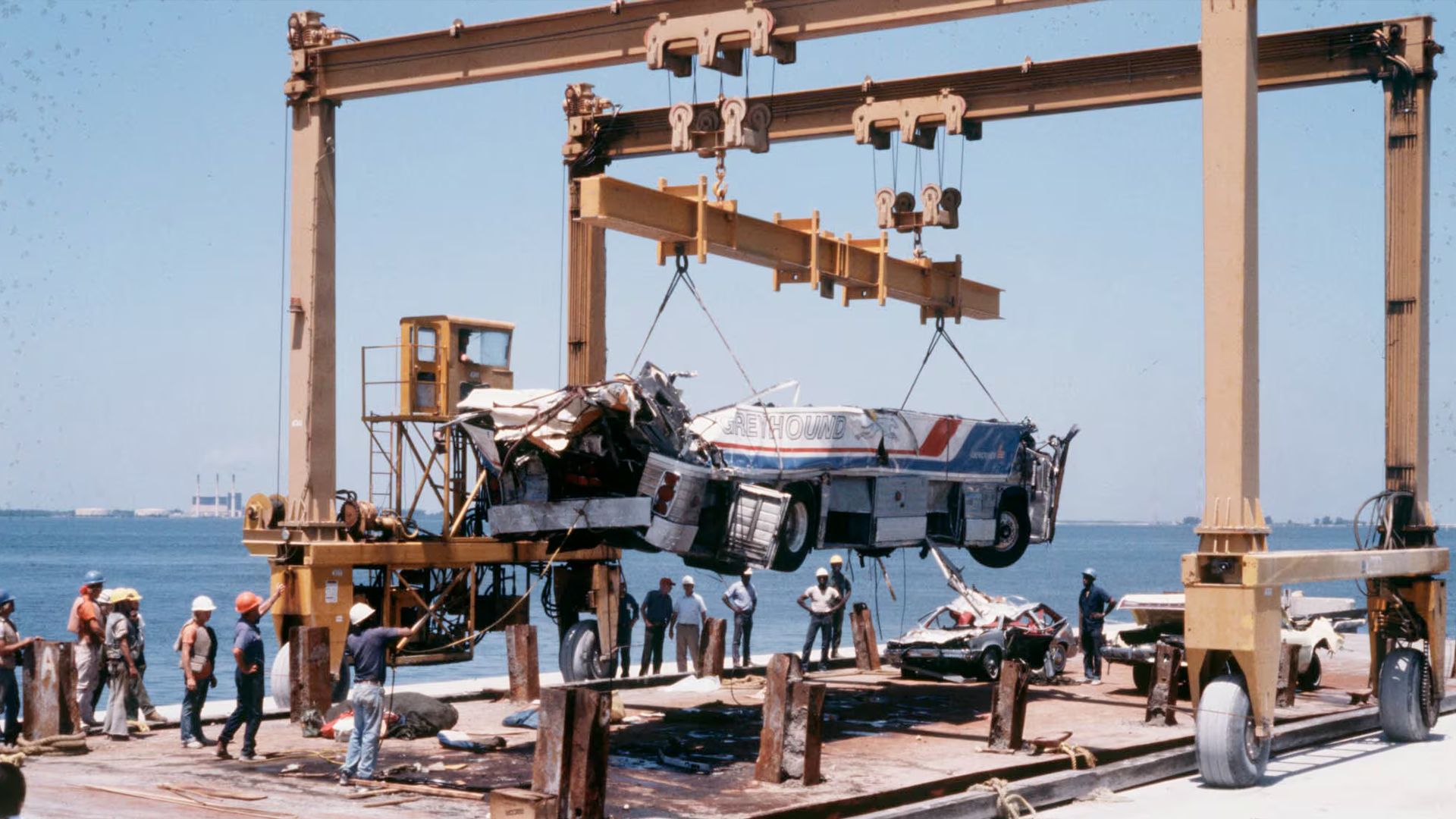
In 1980, a coach was crossing the Sunshine Skyway span over the mouth of Tampa Bay in Florida. It was foggy, but heck, this was an interstate, and the driver could sorta see the taillights of a car in front. He pressed on. “What could possibly go wrong?”
In this case, those tail lights disappeared, as did the roadway, which, like the car ahead, had dropped into the sea. A ship had struck the bridge; the center span collapsed, and the bus fell 150 feet into the water.
It’s human nature to take things for granted. Gee, that road was there yesterday, so it’s likely still okay. It's like saying, every time, so far, when I’ve stepped on the brakes, the bus responded appropriately, and when cars approach a red light, they usually stop. You get it. Our lives are based on the idea that things work as designed, and they usually do.
As an aside, I’m a guy who hates excessive regulations, but a certain measure of regulation is necessary. When you’re traveling, you trust regulation to ensure that that nifty diner you just rolled up to have lunch at won’t poison you. Thoughtful rules help make sure that things do (almost) always work as expected.
That said, airplane pilots are trained to know the location of their nearest airport, just in case something goes awry. A good idea. Pilots have another advantage, consider that they aren’t surrounded by kamikaze car drivers the way we are.
Bob, the Methodist Minister who taught me to drive a bus, made things very simple (which was necessary in my case). It seems likely that he felt more confident in prayer than in my abilities. “Stay on the road” and “Assume the other guy will do the wrong thing, and he will rarely disappoint you”.
Staying on the road seemed obvious until he explained that leaving the highway to avoid an accident often could do more damage than plowing through a few cars. The big thing, though, was to expect the other guy to do the wrong thing. In real life, defensive driving is a mix of anticipating issues with equipment, infrastructure, and other drivers. In other words, “What could possibly go wrong?”
Buses tend to be more reliable nowadays. There are few examples of brakes failing or major components parting company with the coach, but that may be a cosmic trick lulling us into complacency. That very rarity makes us less prepared to deal with problems when they occur.
The real fun is with other drivers. The possibilities for bad behavior are breathtaking. Commuters reading books as they drive (or doing their hair), confusion as to whether a road is serious about being “one way”, drivers steering with their feet (honest), heck, you get it.
The point is to embrace the chaos and make it a game. Entertain yourself while driving by thinking about what would happen if that guy ran the red light, if this puddle is actually a bottomless pit, or if you stepped on the accelerator and nothing happened. Possibilities are endless, and, if you successfully anticipate them, often great fun.
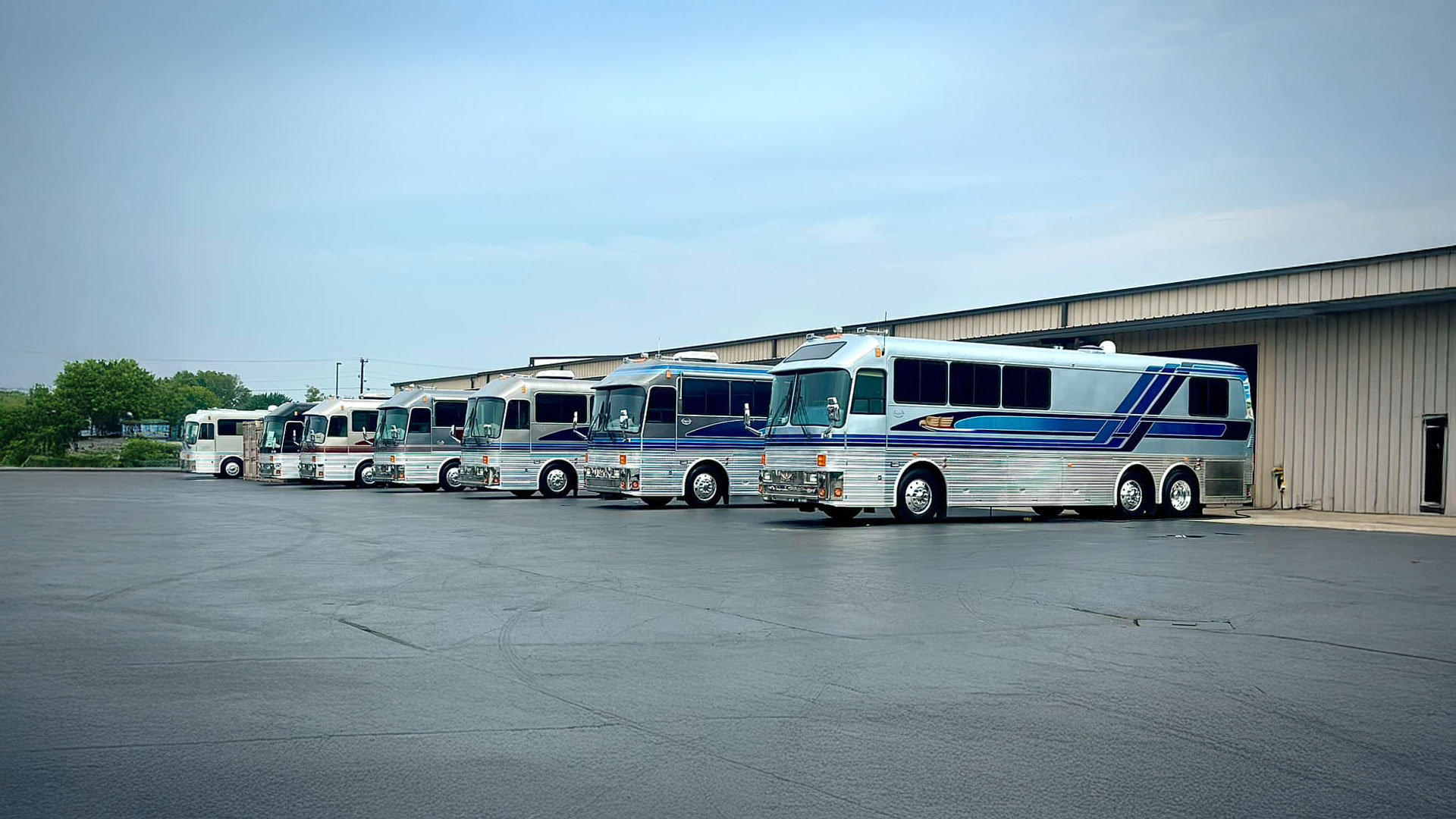
A buddy was driving the chase car as I roared an ancient Eagle bus through the Baltimore Harbor Tunnel. We were delivering it to a customer/victim in Virginia. As we embarked, I said to him, “Don’t follow too close; something may fall off this sucker”.
The roar suddenly grew louder as I watched the muffler bounce along the road in my rearview mirror. Had he played the “What could happen?” game, my pal might have hung back a few car lengths and avoided the muffler that parted company with the coach mid-tunnel. Fortunately, the car was rented. No harm, no foul.
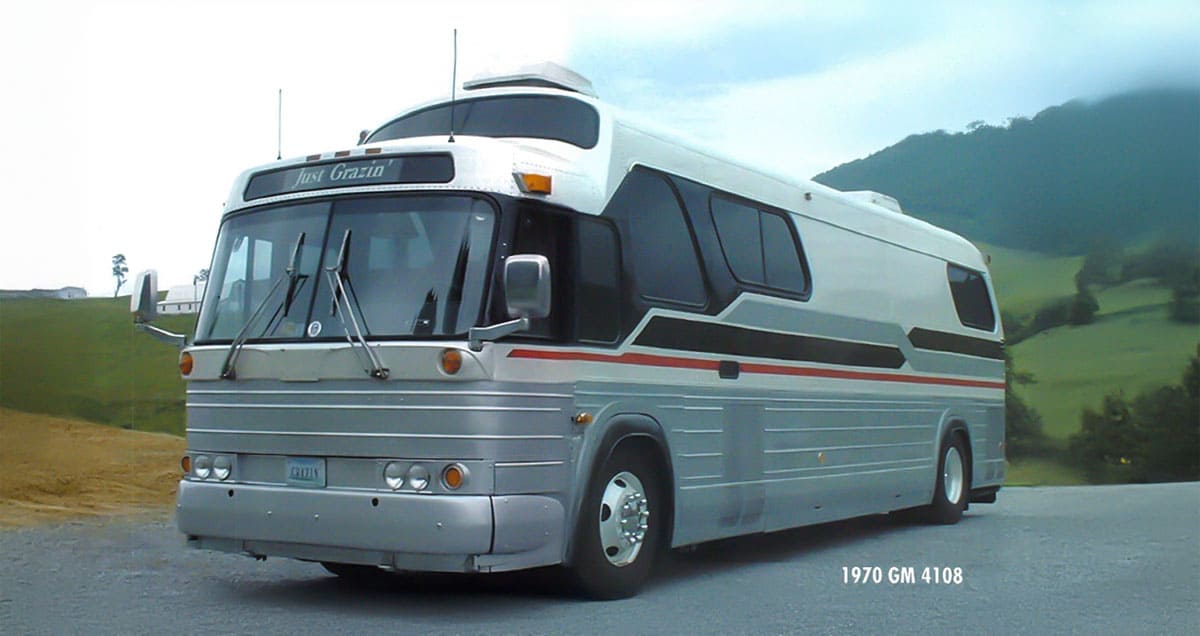
Back in the day, our Colorado garage was at 8,000 feet, and winter starts were “iffy”. An Atlanta bus line brought a ski group out in a pristine GM-4106. In preparation for winter conditions, the driver had added a freeze plug heater, a dipstick heater, and a battery heater. It was bitterly cold and windy, so we offered to let him store the coach in our garage. He said, " No, " with all that electronic stuff, “What could possibly happen?” He plugged in at the hotel and went to bed. What could possibly go wrong?
You guessed it, a circuit breaker blew, and the bus froze solid.
The imminent advent of driverless vehicles offers a whole new universe of amusement. First, there will be the joys of watching engineers work the bugs out of the system. I’m not smart enough to know “what could go wrong?”, but I sure hope THEY are.
It should be fun to see. Best guess is that they will have to develop, early on, “What could possibly go wrong?” technology to deal with things like, oh, say, bridge spans that have gone missing. Pretty sure they’ve thought of that one, but betcha there will be a few they haven’t anticipated.
The good news is that once they solve a problem, the fix is applied throughout the system. The bad news, if there is a SNAFU, it’s throughout the system. “What could possibly go wrong?” on steroids.
Then we get to mix autonomous vehicles in traffic with humans who are neither predictable nor logical. At some point, it will all work, but the interim will be riveting. Evolution is rarely pretty, ask any T-Rex.
I’m meandering towards two points here. First, keeping “What could possibly go wrong?” in mind will probably always be both a good practice and entertaining. And, emerging technology will not change that; it will just shift it into new dimensions.
Won’t we miss the road rage component? Will there be a way for one computer to curse another? Will there be a rage button? Or will it be automatic? Best guess is that autonomous vehicles won’t be as likely to do some of the spectacularly stupid things we tried when we were young.
Perhaps they will offer several driving modes: “Luxury”, “Sporty”, and “Hold my beer and WATCH THIS”.
Dave Millhouser started driving buses cross-country for a non-profit Christian organization called “Young Life” as a summer job in 1965. They carried high school kids from the East Coast to ranches in Colorado in a fleet that consisted of three 1947 Brills, a 1947 Aerocoach, and a 1937 Brill. Their fleet grew to 23 buses and traveled all 48 contiguous states and much of Canada.
When Young Life dropped their bus program, Dave ended up selling parts for Hausman Bus Sales. In 1978 Dave was hired by Eagle International to sell motorcoaches and spent the next 30 years doing that… 13 years with Eagle, as well as stints with MCI, Setra, and Van Hool. His first sale was an Eagle shell for a motorhome, and his career ended selling double-decker Van Hools.
Dave had a side career in underwater photography/writing, and Bus and Motorcoach News asked him to do a regular column in 2006. Millhouser.net is an effort to make those columns available to bus people.
If you find value in them, feel free to use them at no charge. Dave would ask that you consider a donation to the Friends of the New Jersey Transportation Heritage Center
and
Pacific Bus Museum
In May of 2015, the Editor of Bus & Motorcoach News called Dave a Bad Example for Motorcoach Drivers… his proudest accomplishment to date. Read the columns and you’ll see why.
to open the company's website.