






No products in the cart.
Wulf Ward
October 9, 2025
60 views
Converting a School Bus vs. an Over-the-Road Coach
I have a lot of crazy dreams. They used to include dreams about converting buses. That was a long time ago, but a few days ago, I had another dream about converting a bus. It was a large, newer bus, and it was sitting inside a still larger bus while I worked on it. Pretty crazy, but it made me think about maybe converting another bus and what kind it would be.
I lost approximately $400,000 and possibly more, plus around 5,000 hours of labor on my four conversions over the years. The 35-foot RTS I turned into a Limo bus; I made money on. It was a Hertz airport shuttle bus with a really nice interior. It had cloth-covered seats in good condition and a surround seating arrangement. I installed a small refrigerator and a TV, and that was about it.
The bus came painted black and yellow, and I added red to make it the German national colors. I used it to pick up my German friends at the airport. LOL! I bought it off a car lot for only $5,000. This was before bus conversions became so popular, and used buses were relatively inexpensive to purchase. I had about $8,000 in it. It was the bus I should have kept, as all my big buses were used more or less like a big van for travel, rather than as a camper.
The only bus I lived in was my RTS, which was parked in my shop on nights when I didn't feel like driving home. The other was my GMC motorhome, which I also should have kept.

Now, back to my dream. It wasn't a school bus; it was a newer intercity bus, but that doesn't matter. If I had to convert another bus, including a school bus, I would keep it simple. It wouldn't have all the bells and whistles of my previous conversions. I no longer need a luxury motorhome for my limited travel at my age.
I picked up a few school buses for free, but that was a long time ago. Back then, even junkyards didn’t want to deal with them, and some even charged you to haul them away. They were Thomas buses, with front gas engines. I used one on a job site as a mobile office and storage. It was a small diesel bus with a handicap lift. I sold it after that job was done. I had painted it all white, but that was all the money I had in it. I sold it for $18,000.
Besides the 35' RTS limo conversion I sold for three times what I had paid for it; it's the only bus I didn’t lose money on. The school buses I got for free sold quickly for a small amount of money.
The Thomas bus has undergone numerous changes. Like the Saf-T-Liner, most new models are all diesel pushers, making them more desirable. Besides the Bluebird buses, they were the most popular school buses; however, prices have also increased.
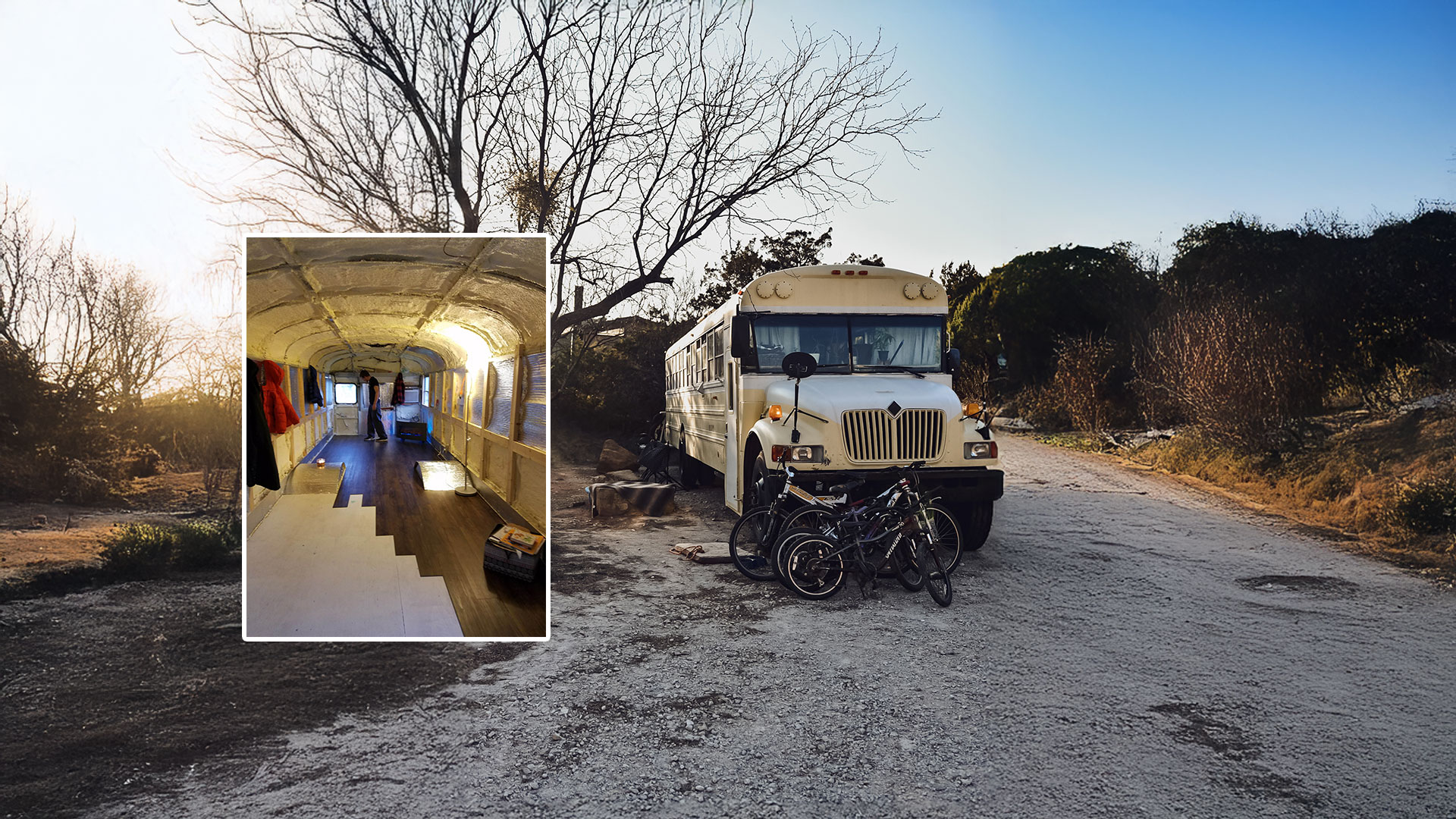
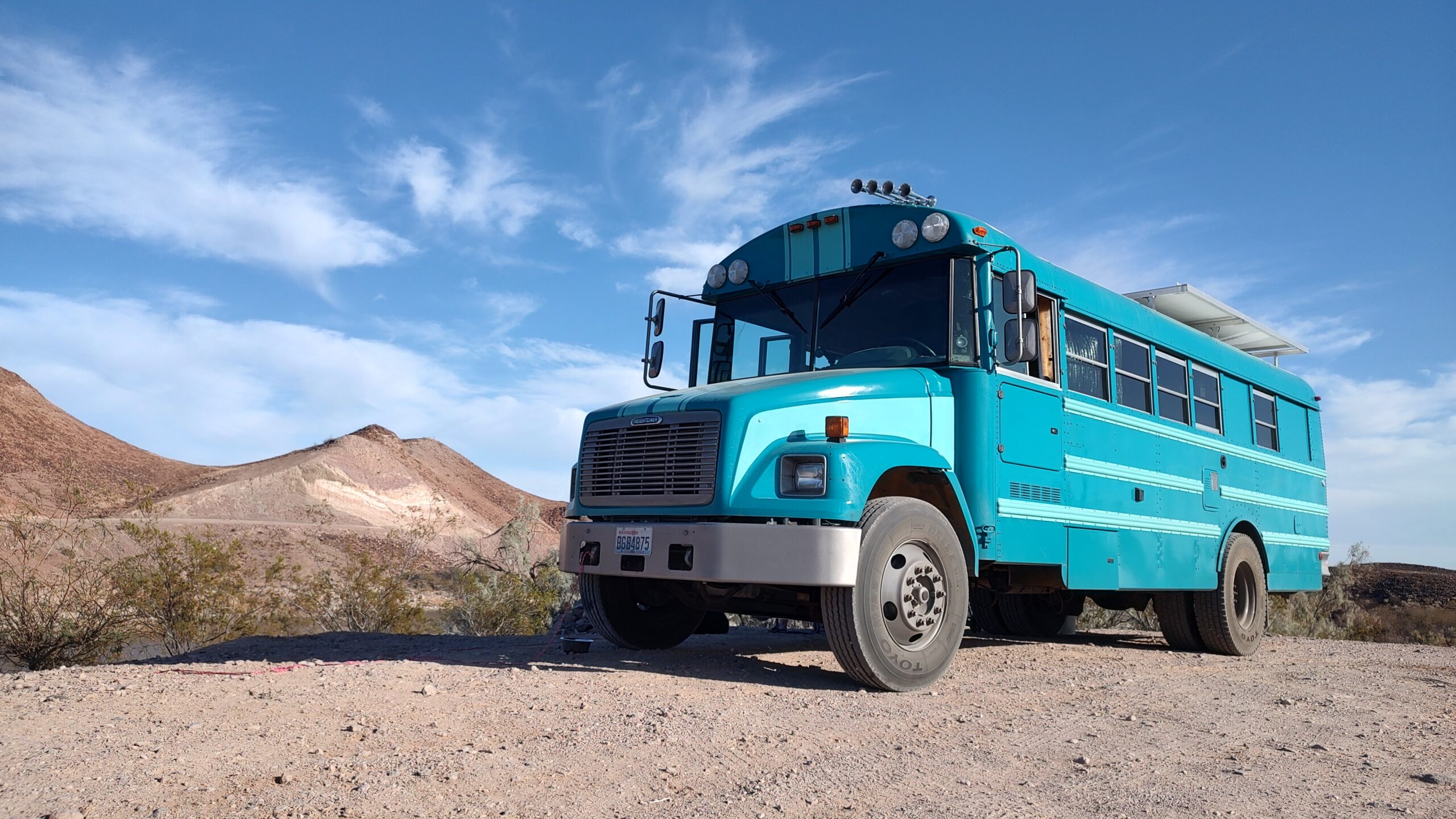
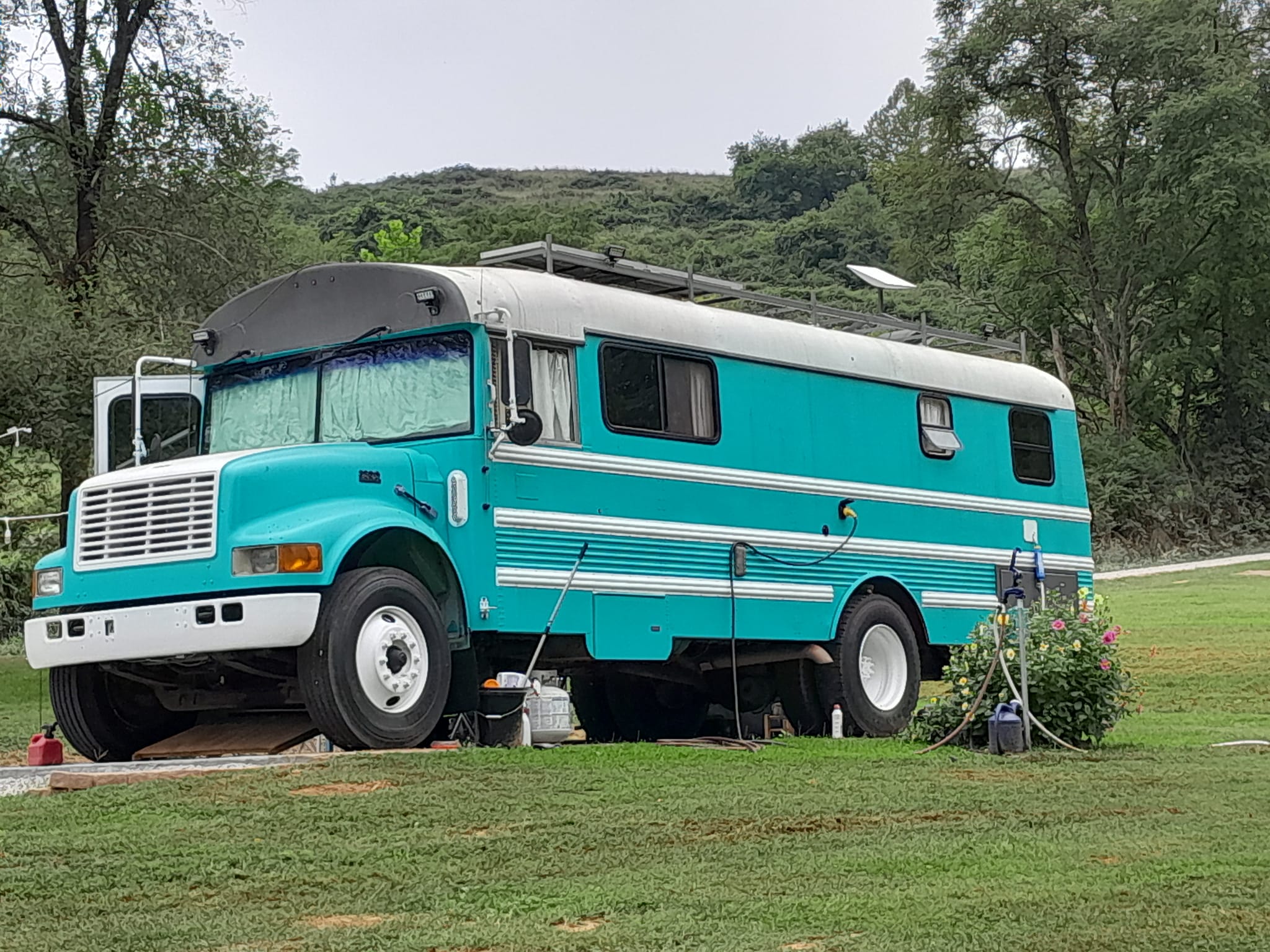
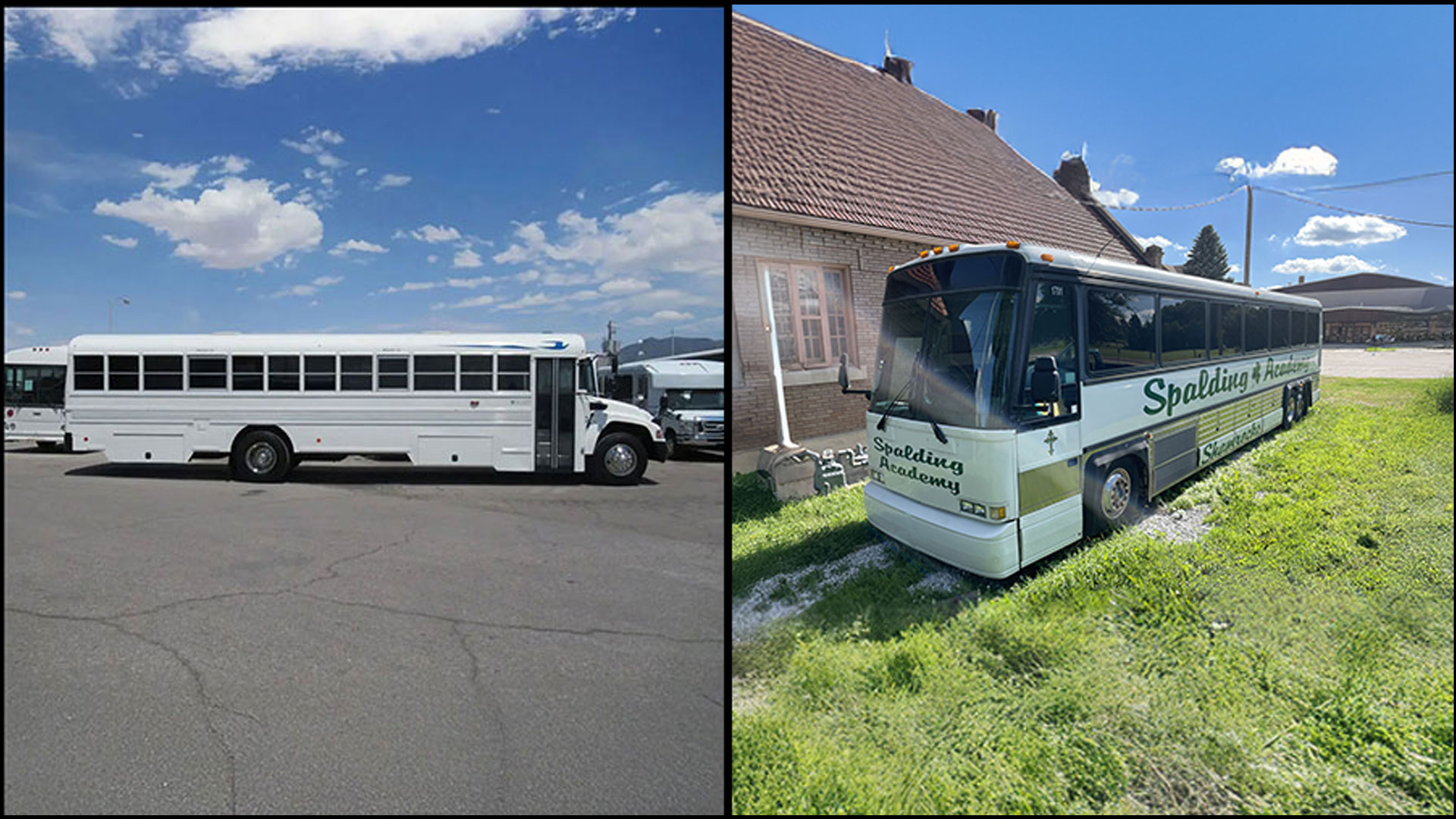
Converting a school bus is different than an over-the-road type of bus. That is what we will discuss in this article.
A school bus is a cost-effective choice over a regular intercity or over-the-road bus. However, the later diesel models, possibly on Spartan air-ride pusher chassis, may be as expensive as some Intercity bus shells. If it were an entry-level school bus, it would most likely be a gas front engine and a regular spring suspension, which are much easier and less expensive to work on; however, they are very rough-riding buses and are harder to travel long distances in.
Most over-the-road coaches have their engines in the rear. It makes driving the bus much quieter, as you can barely hear the engine if it is insulated well. Additionally, a front-engine bus can generate a significant amount of heat for the driver during the hot summer months. The drawback to a rear-engine bus is that they are more challenging to work on than a front-engine bus.
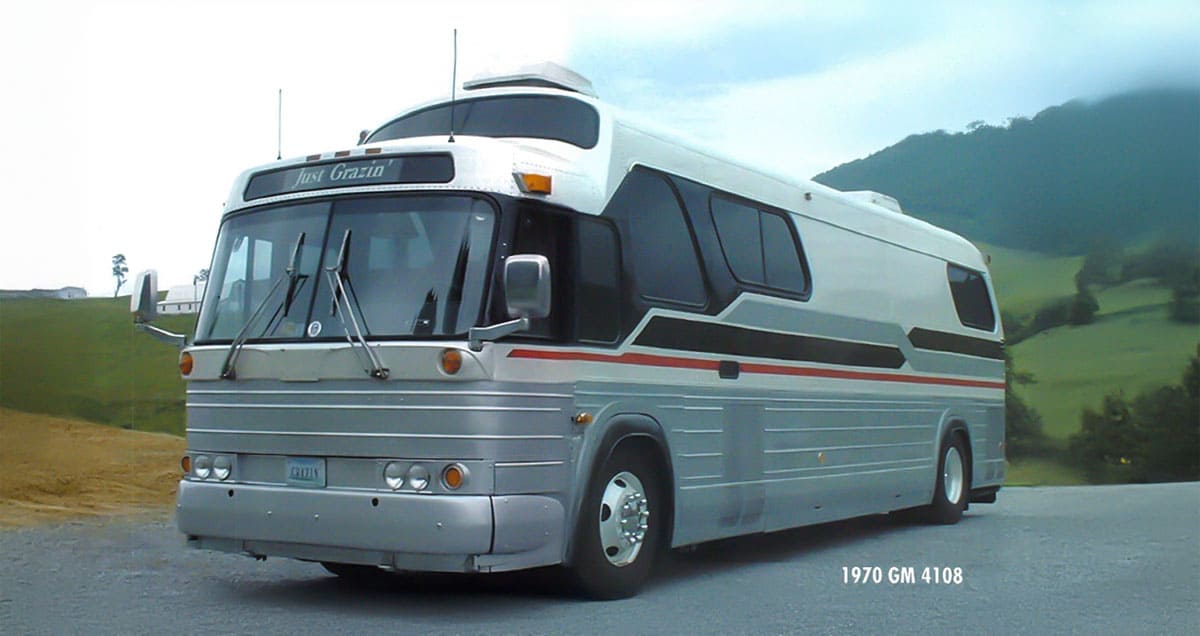
I converted two buses, much like a school bus, with minimal basement storage: the RTS and the Spaceliner. Additionally, the Spaceliner was a 40-foot bus; it had two-level seating but no storage. The RTS has some room under it, about 24", but it needed to be modified to make room for the fuel tank, which had to be moved. But at least the wastewater tank could be installed under the bus.
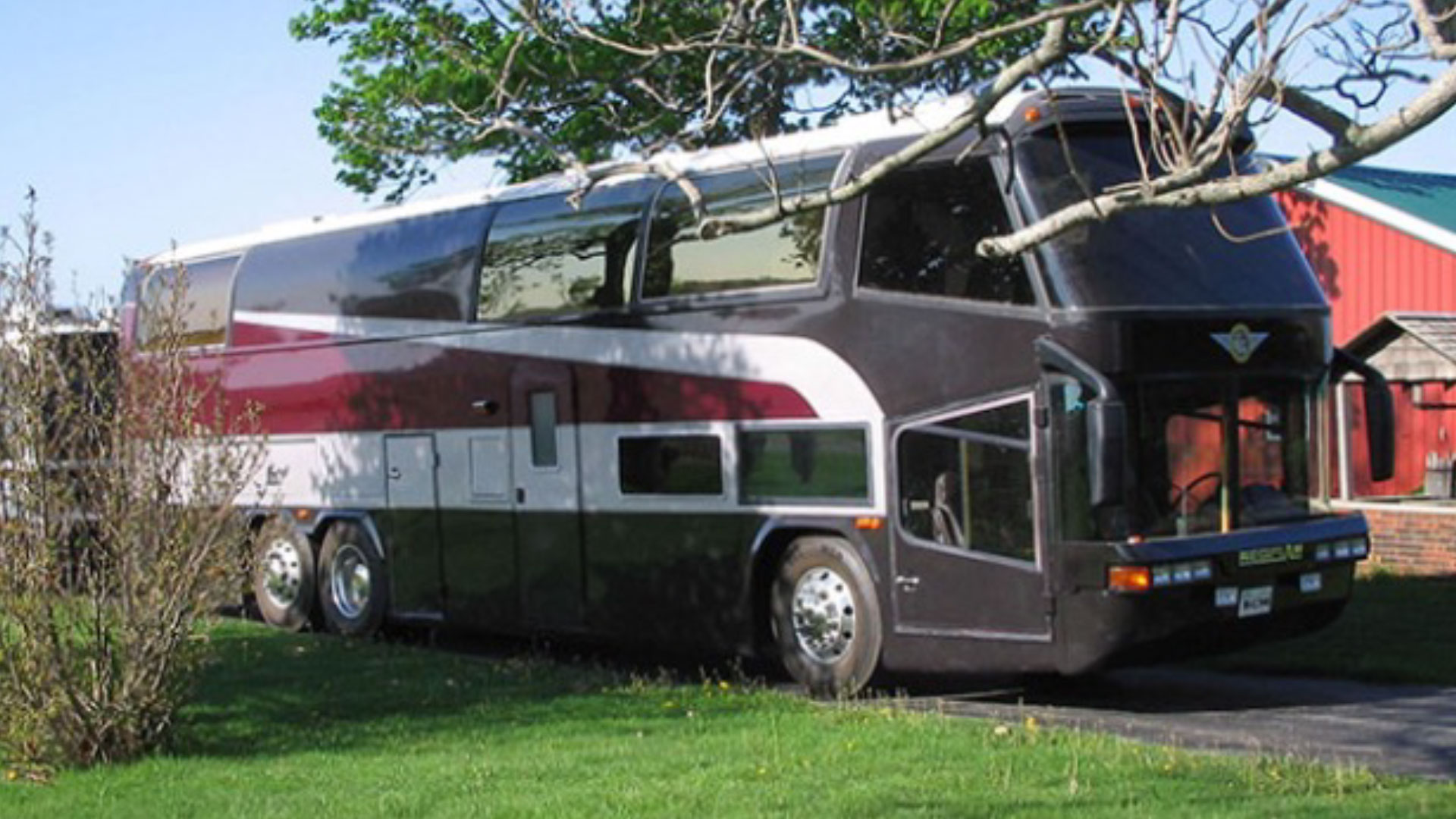
The GMC bus I completely restored had no storage at all. Nevertheless, I have converted other buses with zero storage. Even a school bus that was converted into the most expensive motorhome, the Bluebird Wanderlodge, when it came out, was custom-built for each customer. They had about 200 different interior and exterior layout options. They would even paint it any color you want, except school bus yellow, which is against the law in most states, as you can read in You Just Bought A Yellow School Bus, Now What?
At the time of its introduction, a Bluebird bus cost as much as the average family home. They initially used gas engines, but later switched to Detroit Diesel 6V92 and then to 8V92 engines, eventually adopting the Caterpillar 3208. Many changes were made over the years, including the introduction of an Intercity bus.
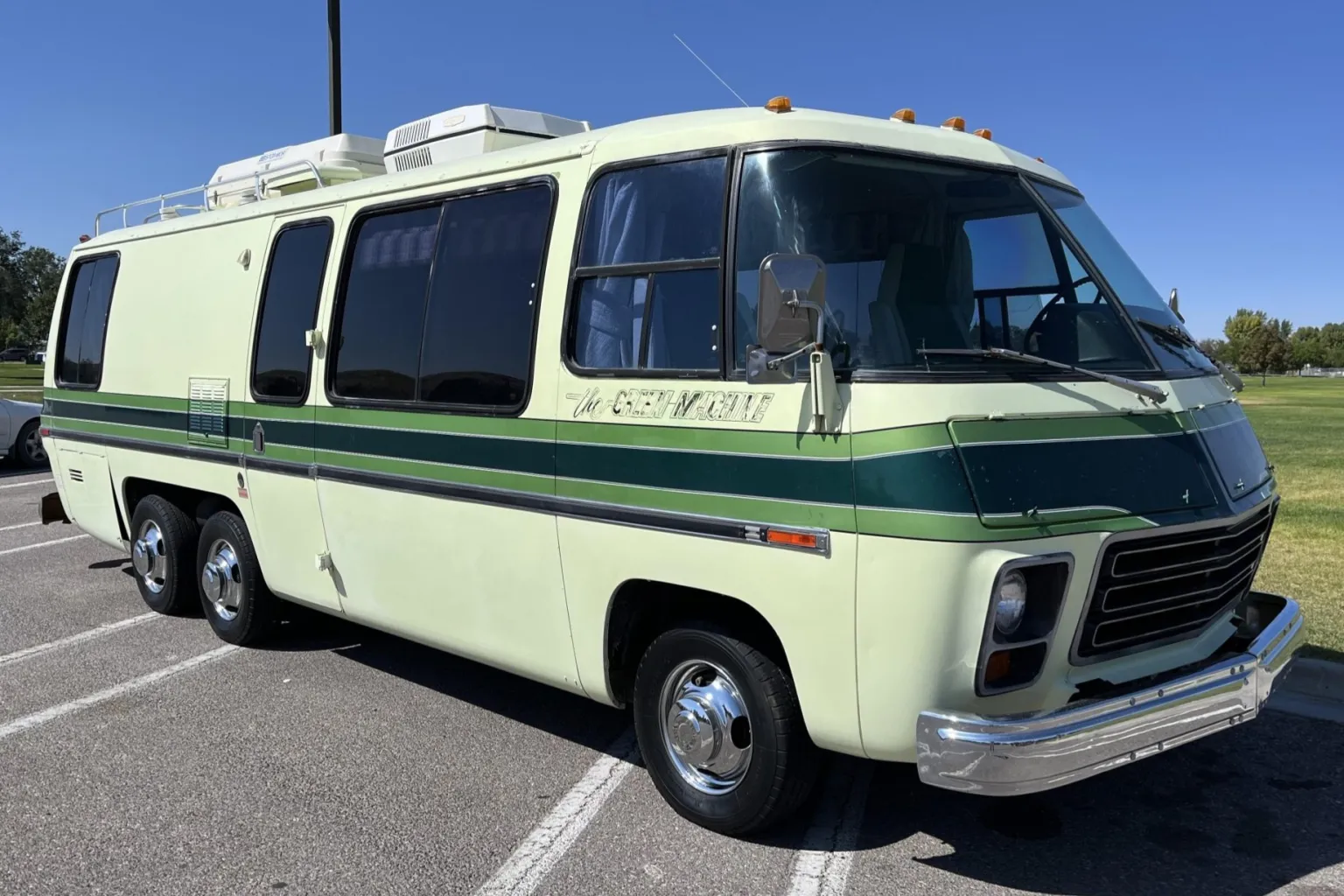
GMC started building motorhomes in 1973. They came in 23' and 26' lengths. Early models featured the 455 Oldsmobile Tornado engine and front-wheel drive; later models used the 403 engines. Like the Wanderlodge, it was an expensive motorhome, and it remains a classic to this day, and many are still on the road.
Another motorhome I worked on was a Clark Cortes motorhome. Again, it had no basement storage. It had the Chrysler slant-six 225 engine, with a sick shift driving the front wheel through a transaxle. Clark builds forklifts, and it may have used one of their own trans axles. I have not included many specifics because they are readily available online for reference. I just added some basics to steer you in the right direction.
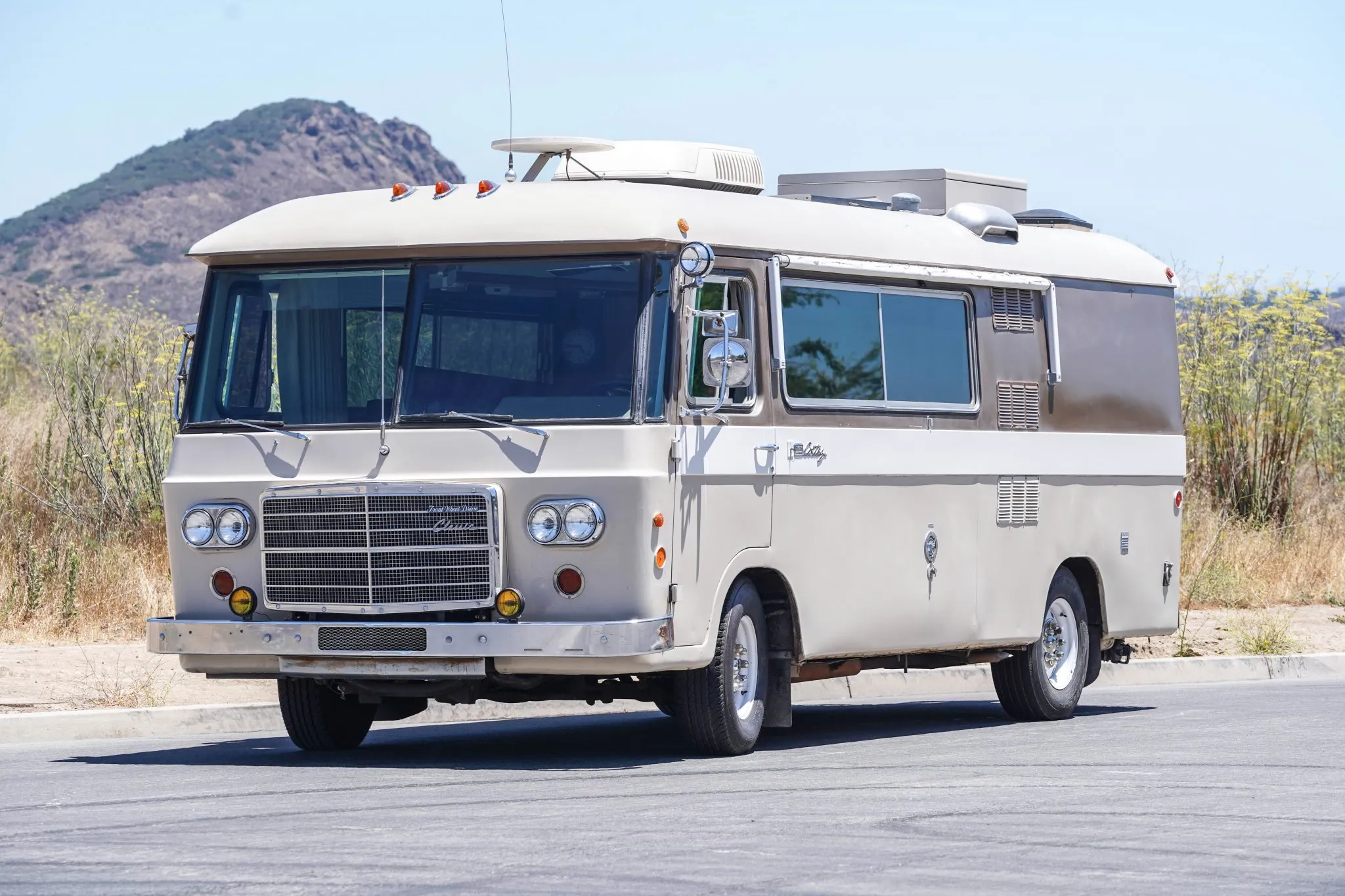
For this article, I will base a school bus conversion on my RTS (pictured at the beginning of this article), as many aspects are similar. First, the entrance door needed to be changed. The RTS replacement door I bought costs about $700, but, like my Spaceliner side door, you can frame it out to use an RV-type door or any other type if aesthetics are not an issue.
One consideration is the location of the holding tanks. Due to the limited space under a school bus, unlike an over-the-road bus with luggage compartments, holding tanks may need to be installed inside the bus or suspended underneath it. Freshwater tanks are no problem, as draining them is not an issue. They can be drained with a 1/2" tubing through the floor. However, if they are located above the floor and develop a leak, they can quickly ruin the floor if not detected quickly.
I put a 110-gallon freshwater tank under my bed. It fit perfectly between the wheel wells. If your bus has a flat floor, the area under the bed is a good location, unless you have a rear-engine bus, in which case the bed must be moved to access the engine. You need a way to access the engine compartment from the bedroom, and moving a water tank out of the way each time can be a hassle, as it is almost impossible to drain all the water.
The black and grey water are more problematic; they both require large drains, and the black water tank must be located under the toilet. There are several options for accomplishing this. You can frame out the area under the bus for the tanks, or you can make a raised area for the toilet and mount a small tank underneath. Hanging tanks underneath is never recommended unless they are boxed in, as rocks, sticks, and other road debris can easily damage them or the piping.
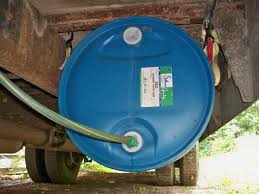
An alternative is to use a composting toilet, such as the Nature's Head, eliminating the need for a blackwater tank. For the shower, you can pump the water into an above-floor inside tank. Inside tanks have to be shallow, and flat black water tanks don't drain well. However, locating the tanks inside will prevent them from freezing in cold weather. Grey and Black water exposed to the elements can be protected by adding salt in cold weather, resulting in slush instead of ice.
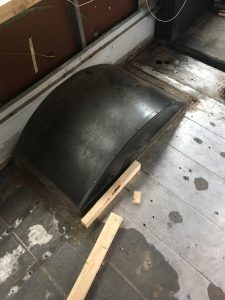
Installing furniture inside an over-the-road bus is easy, as you have a flat floor from front to back and side to side to work with. In a school bus, positioning furniture, such as a sofa, is more challenging because you have to build over the front fender wells. Nothing store-bought will fit well. In my RTS, I rebuilt the frame to make it fit. I used a sleeper sofa on one side and a regular sofa on the other side. When I pulled the sleeper out, it became a king-size bed. I kept a Foam King mattress topper rolled up in the closet to go on top of it.
My dream had me building another bus. If I were to convert another bus, I would make it more basic. I would do without a shower, because much better showers are available at all large truck stops with endless hot water. I had a washer and dryer in my RTS, and it was a waste of the $1,400. Like showers, you can wash your clothes more easily and quickly at the truck stop.
In the kitchen, I had a hot plate in my Eagle, RTS, and Spaceliner, but not in my Dina. It was wired for it, but I didn’t feel the need for it. Electric pans, pots, and boilers work much more efficiently, and if necessary, you can use a grill and cook outside, weather permitting. They can also be stored under the counter on a shelf, rather than occupying counter space that could be used for other purposes when not cooking.
You will need a Generator or plenty of solar if you plan on boondocking. A Good RV-type generator is quiet, but it can be expensive, and mounting it in a school bus can be challenging. You can cut a hole through the wall and put the Generator in a box under the sofa, etc. The generator must be at least 6kW, and a significantly larger one is required if you plan to use it to run an air conditioner. The amount of AC you will need depends on the size of the bus, the amount of insulation you have, and where you plan to travel. Read Windows in a Bus Conversion and/or Air Conditioning for more information about bus insulation and windows.
Over-the-road buses are usually well-insulated for comfort, whereas school buses are not. School buses only ran for an hour or two each morning and evening, whereas intercity buses run 24/7, and people could sleep in them. Consequently, they came from the factory with more insulation. My RTS was a shuttle bus, so it wasn't well-insulated, so I had to add insulation. The RTS walls are curved and 102" wide at the bottom. To make them straight, I added 2" foam board up to the windows. I also insulated under the floor to reduce the road noise.
The ceiling is a bigger problem in school buses. If you use roof AC, like I did in my Eagle and RTS, you lose 2" or more of headroom under the air conditioner, and more if you duct your unit. Most over-the-road buses have higher ceilings as they are built for adults. But tall adults may feel cramped even in these buses.
Can you live with a 6-foot ceiling height? It will depend on how much insulation you need. Bubble plastic works well, but it won’t last long. I used insulation in my RTS that resembles heavy paper and comes in a roll. I converted all the buses as if I were building it as my only and last bus. It didn’t work out that way. For camping in cold climates, you will need good insulation such as EHP or something equivalent. EHP also has the advantage of being fireproof, providing you with significantly more protection and will not get damaged if it gets wet.
I have been thinking about buying a Mercedes or a Freightliner Sprinter. They have diesel engines, but most of the cheaper ones have high mileage. They also have rust issues in the north. A shuttle bus may be a better option. They can be found with a diesel engine and wheelchair lift at a fair price. I would mainly use it for traveling and utilize the bus heater and over-the-road AC. I may add a larger or second alternator to charge the battery bank, if needed.
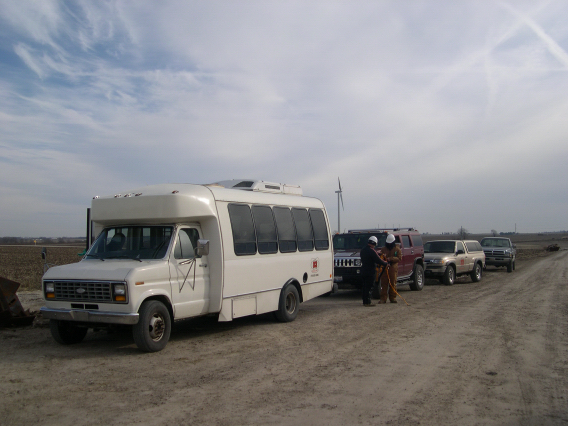
As a shuttle bus, it will typically have a larger generator due to the greater AC and power demands. Some that I have already looked at had a large rooftop AC unit. I still may add more batteries so I can make it through long nights. I would use it with an inverter-charger to supply AC voltage. I may take along a portable generator to use if needed.
I will not have a refrigerator, but will use a 12V cooler instead. Sleeping in it may be a problem, because I will need two beds. How I would work that out will depend on the room I have. I weigh 230 pounds, and my driver/friend weighs 330 pounds. We will both need a large bed. Perhaps a bunk bed across the back would be the best option. Including the bus, the cost will be approximately $35,000 for a basic build like this.
The advantage of a school bus is that it has higher ground clearance, making it better suited for boondocking. Short buses are very maneuverable. However, many longer school buses have long rear overhangs that can easily get hung up in dips in the road, especially in off-road environments, and when entering and exiting steep driveways. I see photos on social media of them frequently getting hung up all the time. Most School Buses are purchased to run specific routes, and the length and design are considered based on the roads they plan to travel on.
One last thing to consider when deciding to convert a school bus or an over-the-road bus is that the actual conversion cost will be about the same for either one. In fact, an over-the-road conversion may be less expensive and easier due to the flat floor from front to back, and there is no need to build racks to hang tanks underneath. They can be carried in the luggage bays.
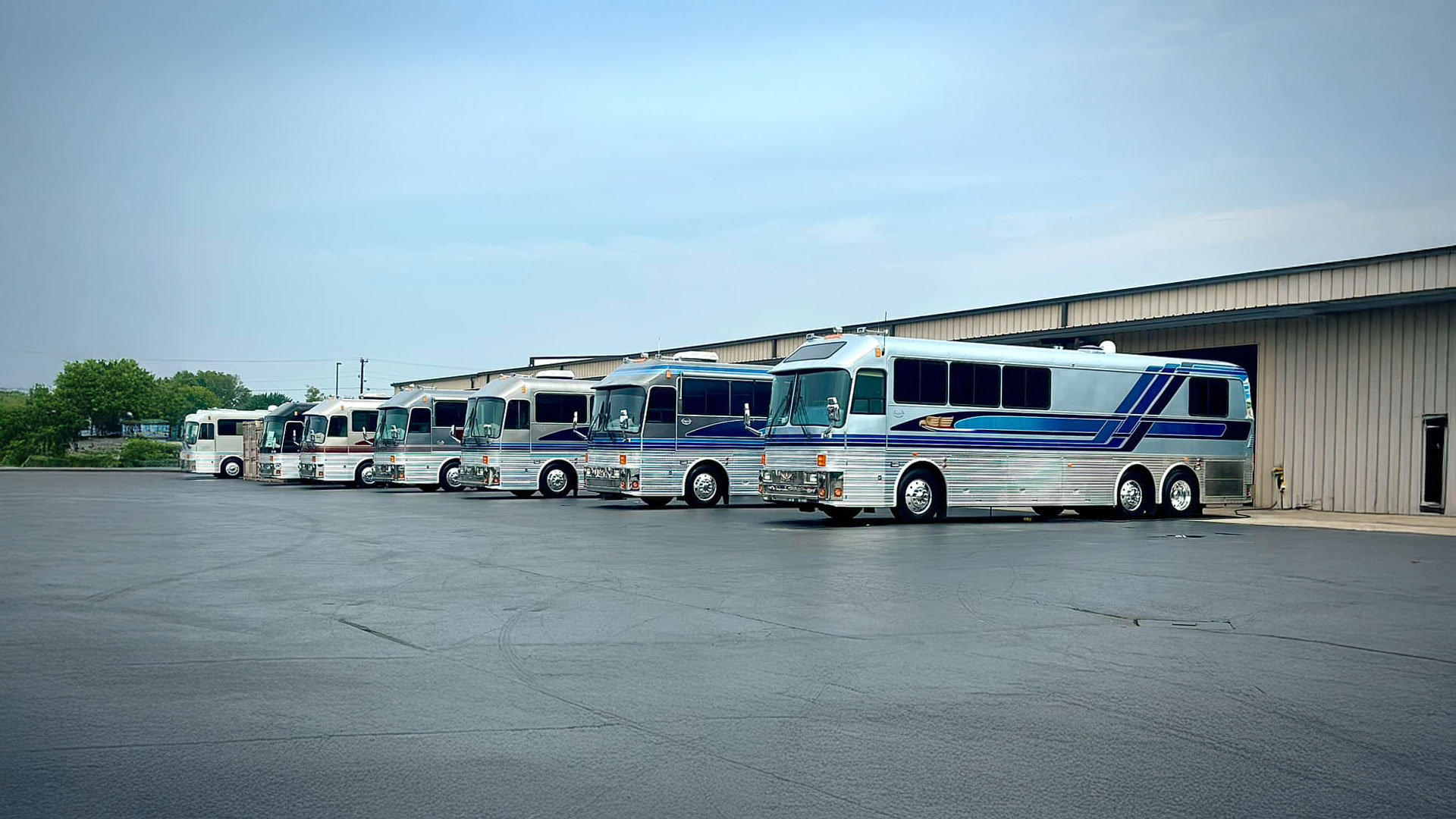
Additionally, an over-the-road bus is designed to travel longer distances, so it lasts longer, and its resale value will be higher if it is built correctly. You know what they say about building a new house in an old neighborhood. With the conversion costs being approximately the same, the resale value will differ. Also note that entertainers prefer over-the-road diesel pushers as they want to be able to sleep between gigs, as they are quiet and smooth-riding. Something to keep in mind when looking at a bus to convert.
If you are considering a high-end conversion, you should lean towards an over-the-road coach. It may cost a bit more upfront, but the build cost will likely be lower in the long run, and it will be more accepted in RV parks if it's painted nicely. If you plan to live in the bus full-time, an over-the-road bus will provide more living space, as much of your stuff can be carried in the bays below. Again, the resale value will also be higher. Coaches are also designed to run millions of miles, whereas school buses are designed to run thousands of miles. It is not uncommon for people to convert over-the-road buses with one or two million miles on them and drive them for years without problems.
A good rule of thumb I always followed on the cost to convert a bus is to add up all the costs and then double it. There will be things you forget, and screws, nuts, bolts, handles, hinges, plumbing fittings, wire connectors, etc., that will significantly add to the cost in the end. Also, be cognizant that sometimes it costs more to convert an older bus than a new one, as you can read in this article. Older Bus Vs. Newer Bus – Which Costs Less?
Regardless, I am going on 84 years old, and my dream will probably outlive me. I may never get to build another bus.
If you have any questions, you can email me at the email address in my Bio. I am willing to help. As you can read in my bio, I have converted several buses over the years.
Publisher's Note: If you want to go really cheap, get a good running bus and take out some seats, put in some used house furniture, a porta-potty, and an ice box, and hit the road. Maybe I will write an article about that. You can read an article about someone who has done that HERE.
Article written by Wulf Ward
Wulf Ward started converting buses in 1994 after not finding what he wanted in a factory motorhome. It was an evolutionary process involving five conversions over a 20 year period.
Wulf was always looking for the right bus to be the last one to convert. Maybe his last bus, the Dina is finally what he was looking for, or he ran out of money and time to do a sixth conversion.
Wulf can be contacted at:
Wulf@MenAtWorkCS.com
Visit his Website at
MenAtWorkSCS.com
To be the first to read all new articles and to read thousands of articles about conversions back to 1992, become a member of BCM.
Click HERE to become a Member now!Click on any image in this column
to open the company's website.
to open the company's website.
